
Blog

  • The Most Popular Pet Boots for Outdoor Walking and Hiking

    The Most Popular Pet Boots for Outdoor Walking and Hiking

    If you’re looking to ensure your pet’s paws are protected during outdoor adventures, choosing the right boots is crucial. From rugged designs to lightweight options, the world of pet boots offers a variety of choices to cater to different needs. But what makes a pet boot truly stand out among the rest? Let’s explore the features that set these popular pet boots apart and how they can enhance your furry friend’s outdoor walking and hiking experiences.

    Top Features to Look For

    When selecting pet boots for outdoor walking and hiking, prioritize durability and comfort for your furry companion. Look for boots made of high-quality materials that can withstand rough terrain and protect your pet’s paws from sharp objects. Opt for designs with secure closures to ensure the boots stay in place during vigorous activities. Additionally, choose boots with non-slip soles to provide traction on various surfaces and prevent slipping or sliding.

    Consider the fit of the boots to ensure they’re snug but not too tight, allowing your pet to move comfortably. Look for adjustable straps or fastenings to customize the fit and prevent the boots from slipping off. It’s essential to measure your pet’s paws accurately and refer to size guides provided by manufacturers to select the right size.

    Prioritizing durability, comfort, secure closures, non-slip soles, and proper fit will help you find the best pet boots for your outdoor adventures with your furry friend.

    Best Pet Boots for Small Dogs

    To find the best pet boots for small dogs, focus on selecting lightweight yet durable options that provide comfort and protection for your furry companion’s paws during outdoor activities. Small dogs have delicate paws that can be sensitive to rough terrain, hot pavement, or cold surfaces. Look for boots that are made from high-quality materials like breathable mesh and durable rubber soles to ensure they’re comfortable and long-lasting. Additionally, consider boots with adjustable straps to provide a secure fit for your small dog’s unique paw shape.

    Popular options for small dog boots include brands like Ruffwear, Pawz, and Kurgo. These brands offer a variety of sizes, ensuring a snug fit for your petite pup. Ruffwear’s Grip Trex Boots are known for their ruggedness and stability, making them ideal for small dogs who enjoy outdoor adventures. Pawz Disposable Dog Boots are convenient for occasional use and provide protection against hot surfaces. Kurgo’s Step-N-Strobe Dog Boots offer both comfort and visibility during nighttime walks.

    When choosing pet boots for small dogs, prioritize their comfort, size, and durability to ensure they can enjoy outdoor activities safely.

    Recommended Pet Boots for Large Breeds

    Consider selecting pet boots designed specifically for large breeds to ensure optimal protection and comfort during outdoor activities. Large breeds have unique foot shapes and sizes, requiring boots that can accommodate their needs effectively.

    One recommended option for large breeds is the Ruffwear Grip Trex Dog Boots, known for their durability and traction on various terrains. These boots are designed with a wide opening and adjustable straps to provide a secure fit for larger paws.

    Another excellent choice is the Ultra Paws Durable Dog Boots, which are constructed with rugged materials to withstand rough terrain and protect your pet’s paws. Additionally, the Kurgo Step-N-Strobe Dog Boots offer a combination of protection and visibility with their reflective trim for nighttime walks.

    When selecting pet boots for large breeds, prioritize a comfortable fit, durable materials, and secure fastenings to ensure your furry companion can enjoy outdoor adventures without discomfort or risk of injury.

    How to Properly Fit Pet Boots

    Properly fitting pet boots is essential to ensuring your furry friend’s comfort and protection during outdoor activities. To achieve the right fit, start by measuring your pet’s paws at their widest point and length, as sizes can vary between brands.

    Most boots come with sizing guides, so follow the manufacturer’s instructions to select the appropriate size for your pet. When trying on the boots, ensure a snug fit without being too tight that it restricts blood flow or too loose that it slips off easily.

    Watch out for any signs of discomfort, such as excessive rubbing or sliding, as these indicate an improper fit. Allow your pet some time to adjust to wearing the boots indoors before heading outdoors to walk or hike.

    Remember to regularly check the fit, especially if the boots will be worn for extended periods. By taking the time to properly fit your pet’s boots, you can ensure they stay protected and comfortable during all your outdoor adventures.

    Conclusion

    So there you have it – the most popular pet boots for outdoor walking and hiking! Whether you have a small dog or a large breed, there are options available to provide durability, comfort, and protection for your furry friend’s paws.

    Remember to consider features like adjustable straps, reflective accents, and proper fit when selecting the best boots for your pet’s outdoor adventures.

    Happy hiking!

    Pet supplies

    [product_category category=”pet-supplies” per_page=”10″ columns=”2″ orderby=”date” order=”rnde”]

  • What Are the Must-Have Essentials for Family Camping?

    What Are the Must-Have Essentials for Family Camping?

    When venturing into the wilderness with your family, ensuring you have the right essentials can make or break your camping experience. From the basics like shelter and cooking gear to safety equipment and entertainment supplies, each item plays a vital role in creating lasting memories and a smooth camping trip. But what exactly are these must-have essentials that will elevate your family camping adventure to the next level? Let’s uncover the key items that should not be overlooked when preparing for your outdoor getaway.

    Shelter Essentials

    When setting up your campsite, make sure to prioritize having a durable and weather-resistant tent as your shelter essential. A sturdy tent is crucial for providing you and your family with protection from the elements, ensuring a comfortable and safe camping experience. Look for a tent that’s easy to set up, spacious enough to accommodate everyone, and made from quality materials that can withstand various weather conditions.

    Additionally, investing in a good sleeping bag and sleeping pad is essential for a restful night’s sleep during your camping trip. Choose a sleeping bag that’s suitable for the season and climate of your camping destination to stay warm and cozy throughout the night. A comfortable sleeping pad will provide insulation from the cold ground and add an extra layer of comfort for a good night’s rest.

    Remember to bring along a reliable camping lantern or headlamp to illuminate your campsite at night. Having proper lighting is essential for safety and convenience when moving around in the dark.

    Lastly, don’t forget to pack a first aid kit to handle any minor injuries or emergencies that may arise during your camping adventure.

    Cooking Gear

    For your family camping trip, make sure to equip yourself with the necessary cooking gear to prepare delicious meals in the great outdoors. A portable camping stove is a must-have item for cooking meals while camping. Look for a compact stove that’s easy to set up and use. Additionally, pack a set of durable cookware such as pots, pans, and utensils that are suitable for outdoor cooking. Consider items that are lightweight and easy to clean to make your camping cooking experience more enjoyable.

    Don’t forget to bring a cooler or insulated bag to store perishable food items and keep them fresh during your trip. A good cooler will help you store ingredients for meals and keep beverages cold. To make cooking easier, pack essential condiments, spices, and cooking oil in small containers. These items can enhance the flavor of your meals without taking up much space. Finally, remember to bring a portable coffee maker if you’re a coffee lover to kickstart your mornings with a fresh brew in the wilderness.

    Safety Equipment

    Ensure your family’s safety during camping by packing essential safety equipment. When heading into the great outdoors, it’s crucial to be prepared for any situation that may arise. One of the most important safety items to bring is a well-stocked first aid kit. Make sure it includes bandages, antiseptic wipes, gauze pads, tweezers, and any necessary medications for your family members.

    Additionally, having a reliable flashlight or headlamp is essential for navigating around the campsite in the dark or during emergencies. Pack extra batteries to ensure they don’t run out when needed the most. A multipurpose tool or a camping knife can also come in handy for various tasks, from food preparation to emergency repairs.

    Furthermore, consider bringing along a whistle to signal for help if you get lost or encounter a dangerous situation. It’s a simple yet effective way to attract attention in the wilderness. Lastly, familiarize yourself and your family with basic safety protocols and emergency procedures before embarking on your camping trip to ensure a safe and enjoyable experience.

    Entertainment Supplies

    Pack a selection of games and activities to keep your family entertained while camping.

    Bringing along a deck of cards can provide hours of entertainment for both kids and adults. Card games like Go Fish, Crazy Eights, or Uno are compact and versatile options.

    Additionally, board games are a fantastic way to bond with your family around the campfire. Classics like Monopoly, Scrabble, or even a simple game of chess can make for memorable camping nights.

    For outdoor fun during the day, include items like frisbees, kites, or a football to keep everyone active and engaged.

    Don’t forget to pack some arts and crafts supplies for a creative outlet. Simple activities like drawing, painting rocks, or making friendship bracelets can add a fun and artistic touch to your camping experience.

    Camping

    [product_category category=”camping” per_page=”10″ columns=”2″ orderby=”date” order=”rnde”]

  • How Do You Achieve the Perfect Sear on Meat?

    How Do You Achieve the Perfect Sear on Meat?

    So, you’re ready to elevate your culinary skills and master the art of achieving that coveted perfect sear on your meat. The sizzle, the aroma, the mouthwatering crust – it all starts with a few key techniques that can take your dish from ordinary to extraordinary. Let’s explore the secrets behind creating that flawless sear that will have your taste buds tingling and your guests coming back for more.

    Importance of Preheating Your Pan

    Before you start cooking your meat, always remember to preheat your pan thoroughly to ensure a perfect sear. This step is crucial in achieving that beautiful caramelization on the outside of your meat while keeping the inside tender and juicy. When you preheat your pan, it allows for even distribution of heat, ensuring that the entire surface of the meat comes into contact with the hot surface simultaneously.

    Choosing the Right Cooking Oil

    To enhance the searing process further, consider the impact of choosing the right cooking oil for your meat. The choice of cooking oil can greatly influence the flavor and texture of your seared meat. When searing meat at high temperatures, it’s essential to select an oil with a high smoke point to prevent it from burning and imparting a bitter taste to your dish. Oils such as avocado oil, peanut oil, or canola oil are excellent options due to their high smoke points, making them ideal for achieving a perfect sear.

    Additionally, the flavor of the oil can also enhance the overall taste of your meat. Olive oil, for example, adds a rich and fruity flavor, while sesame oil provides a nutty taste. Consider the flavor profile you want to achieve when selecting the cooking oil for your searing process.

    Remember to use a small amount of oil and ensure it’s evenly distributed in the pan before adding the meat. This will help create a uniform sear and prevent the meat from sticking to the pan. Choose your cooking oil wisely to elevate the searing process and create a deliciously seared piece of meat.

    Seasoning and Patting Dry Your Meat

    Consider seasoning and patting dry your meat before searing to enhance flavor and achieve a perfect crust. Seasoning your meat with salt and pepper not only adds flavor but also helps in drawing out moisture from the surface, aiding in the browning process. Patting your meat dry with a paper towel before searing ensures that excess moisture is removed, allowing for better caramelization and a crispy exterior.

    To season your meat effectively, sprinkle a generous amount of salt and pepper on both sides, ensuring even coverage. You can also add other seasonings like garlic powder, paprika, or herbs for additional flavor profiles. Allow the seasoned meat to sit at room temperature for about 20-30 minutes before cooking to let the flavors penetrate.

    When patting your meat dry, use a paper towel to remove any excess moisture, especially if the meat has been marinated. Dry meat will sear better and develop a nice crust, creating a visually appealing dish with enhanced taste. By taking these simple steps, you can elevate the flavor and texture of your seared meat to perfection.

    Achieving the Ideal Cooking Temperature

    For perfectly seared meat, ensuring you reach the ideal cooking temperature is key to achieving a juicy and flavorful result. The ideal cooking temperature for searing meat is typically between 400°F and 450°F (204°C – 232°C). At this temperature range, the Maillard reaction, responsible for creating that delicious crust on the meat, occurs rapidly without overcooking the inside.

    To accurately gauge the cooking temperature, use a meat thermometer to check the internal temperature of the meat. For steaks, aim for an internal temperature of 130°F to 135°F (54°C – 57°C) for medium-rare, 140°F to 145°F (60°C – 63°C) for medium, and so on. Remember that the meat will continue to cook after being removed from the heat source, so it’s crucial to account for this carryover cooking.

    Kitchen Appliances

    [product_category category=”kitchen-appliances” per_page=”10″ columns=”2″ orderby=”date” order=”rnde”]
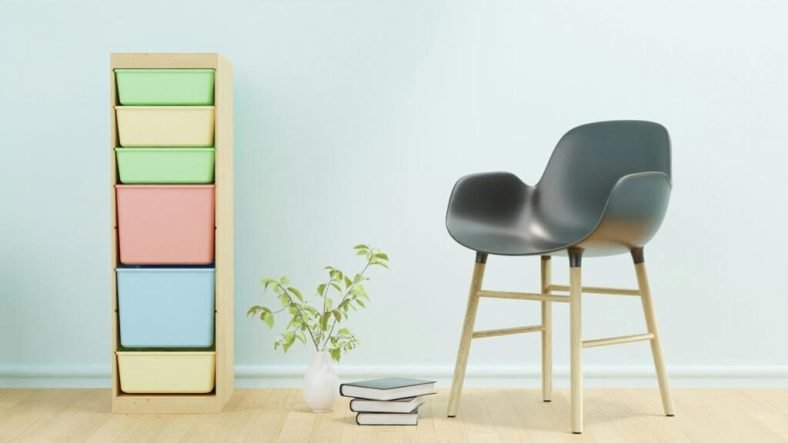
  • What Are Some Space-Saving Ideas for Apartment Storage?

    What Are Some Space-Saving Ideas for Apartment Storage?

    To optimize storage in your apartment, have you considered the impact of utilizing vertical space? There are innovative solutions, like wall-mounted shelves and hanging organizers, that can transform unused areas into valuable storage real estate. These space-saving ideas can help you declutter and organize your living space more efficiently. By exploring these strategies, you might discover new ways to enhance both functionality and aesthetics in your apartment.

    Vertical Storage Solutions

    When organizing your apartment, maximize space by utilizing vertical storage solutions such as wall-mounted shelves and hanging organizers. These options are excellent for making the most of your available space without cluttering your floors.

    Wall-mounted shelves can hold books, decor items, or kitchen essentials, freeing up valuable counter or floor space. Opt for adjustable shelves to customize the height based on your needs.

    Hanging organizers, like pocket organizers or pegboards, are versatile and can be used in any room. They’re perfect for storing small items such as office supplies, jewelry, or even shoes.

    By taking advantage of vertical storage solutions, you can keep your apartment organized and visually appealing. Remember to install shelves securely and choose organizers that complement your decor style.

    With these space-saving ideas, you can create a functional and tidy living space that maximizes every inch of your apartment.

    Multifunctional Furniture Ideas

    To optimize space in your apartment, consider incorporating multifunctional furniture pieces that serve dual purposes and provide storage solutions. Look for a sofa bed that can be used for seating during the day and easily converted into a comfortable bed at night. This dual-functionality is perfect for studio apartments or guest rooms.

    Another great option is a coffee table with built-in storage compartments or drawers. You can use it to store books, magazines, or even extra blankets, keeping your living room clutter-free.

    For dining areas, consider a drop-leaf table that can be expanded when needed and folded down when not in use to save space. Additionally, ottomans or benches with hidden storage are excellent for stashing away items like shoes, blankets, or board games.

    Closet Organization Tips

    Consider implementing a wardrobe rotation system to optimize closet space and keep your belongings organized efficiently. This system involves storing off-season clothing and accessories in bins or vacuum-sealed bags to free up valuable closet real estate. By rotating your wardrobe with the changing seasons, you can access only the items you need at that time, reducing clutter and making your closet more functional.

    Another closet organization tip is to invest in slim, non-slip hangers to maximize hanging space. These hangers take up less room than bulky plastic or wooden ones, allowing you to fit more clothing in a smaller area. Additionally, using shelf dividers can help keep stacks of clothing, bags, or linens neat and upright, preventing them from toppling over and creating a mess.

    Lastly, consider adding over-the-door shoe organizers or hanging shelves to store shoes, accessories, or other small items. These vertical storage solutions utilize space that would otherwise go unused, keeping your closet tidy and making it easier to find what you need at a glance.

    Creative Shelving Options

    Utilize floating shelves to create a stylish and functional storage solution in your apartment. Floating shelves not only provide extra storage space but also give your apartment a modern and airy feel. Install them in your living room to display books, plants, or decorative items, freeing up floor space. In the kitchen, use floating shelves to store dishes, glasses, or spices, keeping everything within easy reach. For a creative touch, arrange a few floating shelves in a vertical pattern to showcase your favorite mugs or small kitchen appliances.

    Another clever shelving option is to make use of corner shelves. These shelves fit snugly into unused corners, maximizing storage without taking up valuable floor space. Install them in the bathroom to store toiletries or in the bedroom to display photos and keepsakes. Corner shelves are versatile and can be found in various styles to suit your apartment’s decor. By utilizing floating and corner shelves, you can optimize storage in your apartment while adding a touch of personality to your living space.

    Home décor

    [product_category category=”home-decor” per_page=”10″ columns=”2″ orderby=”date” order=”rnde”]

  • How to Start Your Wellness Journey Today With Small Changes

    How to Start Your Wellness Journey Today With Small Changes

    You’ve contemplated making changes to enhance your well-being, and the thought of starting your wellness journey might feel overwhelming. However, what if I told you that with a few simple adjustments to your daily routine, you could kickstart this journey effortlessly? These changes are not about drastic transformations but rather about incorporating small, manageable steps that can lead to a significant impact on your health and happiness. So, why not take the first step today and discover how these subtle adjustments can set you on the path to a healthier lifestyle?

    Mindful Eating Habits

    Start your wellness journey by cultivating mindful eating habits. Mindful eating involves paying full attention to the experience of eating and drinking, both inside and outside the body. When you eat mindfully, you engage all your senses, savor each bite, and truly appreciate the flavors, textures, and aromas of your food. This practice can help you develop a healthier relationship with food, prevent overeating, and improve digestion.

    To incorporate mindful eating into your daily routine, start by eliminating distractions. Turn off the TV, put away your phone, and create a calm environment for your meals. Chew slowly and savor each bite, paying attention to the taste and texture of the food. Listen to your body’s hunger and fullness cues, and stop eating when you feel satisfied, not stuffed. Additionally, try to eat meals at regular times each day and include a variety of nutrient-dense foods in your diet to support your overall well-being.

    Incorporating Movement Daily

    Incorporate daily movement into your routine to boost your overall well-being and vitality. Making small changes like taking the stairs instead of the elevator, going for a short walk during your lunch break, or following a quick workout routine can make a significant difference.

    Movement doesn’t have to be intense to be beneficial; even light activities like stretching or yoga can help improve flexibility and reduce stress. Additionally, finding an exercise you enjoy can make it easier to stick to a routine. Whether it’s dancing, cycling, swimming, or practicing martial arts, incorporating movement that brings you joy can make staying active feel less like a chore and more like a fun activity.

    Prioritizing Quality Sleep

    Enhancing your wellness journey begins with prioritizing quality sleep, a crucial element for overall health and vitality. Adequate sleep is essential for your body to repair, recharge, and function optimally. When you consistently get enough high-quality sleep, you’ll notice improvements in your mood, focus, and energy levels throughout the day.

    To enhance the quality of your sleep, establish a relaxing bedtime routine. Disconnecting from electronic devices, such as smartphones and laptops, at least an hour before bed can help signal to your body that it’s time to wind down. Creating a comfortable sleep environment by keeping your bedroom dark, quiet, and cool can also promote better sleep quality.

    Additionally, maintaining a consistent sleep schedule, where you go to bed and wake up at the same time every day, can regulate your body’s internal clock and improve the overall quality of your sleep. Prioritizing quality sleep is a simple yet powerful way to kickstart your wellness journey and boost your overall health.

    Cultivating a Positive Mindset

    Cultivating a positive mindset can significantly impact your overall well-being and outlook on life. By shifting your focus towards positivity, you can enhance your mental resilience and emotional well-being.

    Start your day with affirmations, reminding yourself of your strengths and capabilities. When faced with challenges, approach them with a can-do attitude, viewing them as opportunities for growth rather than obstacles.

    Surround yourself with supportive and uplifting individuals who encourage your personal development. Practice gratitude daily, reflecting on the things you appreciate in your life. Engage in activities that bring you joy and fulfillment, nurturing a sense of positivity within yourself.

    Remember that setbacks are a natural part of life, but maintaining a positive mindset can help you navigate through them with grace and determination. Embrace self-compassion and celebrate your successes, no matter how small they may seem.

    Cultivating a positive mindset is a powerful tool in your wellness journey, guiding you towards a more fulfilling and balanced life.

    Health and fitness

    [product_category category=”health-and-fitness” per_page=”10″ columns=”2″ orderby=”date” order=”rnde”]

  • The Importance of Playtime in Baby Development

    The Importance of Playtime in Baby Development

    Engaging in playtime with your baby may seem like just a fun activity, but the benefits it offers go far beyond mere entertainment. As you interact with your little one during play sessions, you are actively contributing to their growth and development in various crucial areas. From cognitive skills to emotional well-being, each play session plays a pivotal role in shaping your baby’s future. So, the next time you engage in playtime with your baby, remember that you’re not just playing – you’re fostering their holistic development in ways you might not even realize.

    Cognitive Development Benefits

    Playing is crucial for your baby’s cognitive development as it helps them learn about the world around them in a fun and engaging way. Through play, your baby begins to understand cause and effect relationships. For example, when they stack blocks and the tower falls, they learn that certain actions lead to specific outcomes. This basic understanding sets the foundation for more complex problem-solving skills later on.

    Furthermore, play helps your baby improve their memory and concentration. Whether it’s remembering where they hid a toy or focusing on completing a puzzle, these activities exercise their cognitive abilities. As your baby engages in pretend play, such as pretending to cook or talk on a toy phone, they enhance their creativity and imagination. These skills are essential for future learning and adaptability.

    Social Skills Enhancement

    Developing social skills is essential for your baby’s overall growth and interactions with others. Through playtime activities, such as engaging with other children or adults, your baby learns valuable skills like taking turns, sharing toys, and communicating effectively. These interactions help your baby understand social cues, build empathy, and develop friendships.

    Playtime offers opportunities for your baby to practice important social behaviors in a safe and supportive environment. By engaging in pretend play or group activities, your baby learns how to cooperate, negotiate, and resolve conflicts peacefully. These experiences lay the foundation for healthy relationships and effective communication skills later in life.

    Additionally, playtime allows your baby to learn how to regulate emotions and understand the feelings of others. By observing different social interactions and practicing empathy during play, your baby develops a sense of compassion and kindness towards others.

    Physical Growth Stimulation

    To support your baby’s physical growth, incorporating a variety of movement-based activities during playtime is crucial. Engaging in activities like tummy time, crawling, rolling, and reaching for toys helps strengthen your baby’s muscles, improve coordination, and promote overall physical development. These movements not only aid in building your baby’s motor skills but also support the development of a strong and healthy body.

    Encouraging your baby to explore their surroundings through play helps them enhance their balance and spatial awareness. Activities like playing with soft toys, crawling through tunnels, or even dancing to music can stimulate your baby’s physical growth and coordination. Providing opportunities for your baby to move freely and interact with their environment fosters their muscle development and improves their ability to control their body movements.

    Incorporating playful exercises into your baby’s routine not only supports their physical growth but also provides them with a fun and engaging way to learn about their body and capabilities. Remember, creating a safe and stimulating play environment is key to promoting your baby’s physical development.

    Emotional Well-being Promotion

    Ensuring your baby feels secure and loved is essential for fostering their emotional well-being. Creating a nurturing environment where your baby feels safe and cherished lays a strong foundation for their emotional development. Responding to your baby’s cues promptly helps build trust and a sense of security, promoting a positive emotional state.

    Bonding through playtime is a powerful way to strengthen the emotional connection between you and your baby. Engaging in interactive activities like peek-a-boo or gentle tickles can evoke laughter and joy, enhancing your baby’s emotional well-being. Your loving presence and responsiveness during play help your baby feel valued and understood.

    Additionally, expressing affection through cuddles, hugs, and kisses sends a message of love that nurtures your baby’s emotional health. These gestures of warmth and reassurance build a sense of security and comfort, fostering a positive emotional outlook. By prioritizing emotional well-being alongside physical growth, you’re nurturing a happy and emotionally resilient baby.

    Learning and Exploration Opportunities

    Bonding with your baby through playtime offers valuable learning and exploration opportunities that stimulate their development and curiosity. Play is a crucial avenue for your baby to engage with the world around them, learn new skills, and make sense of their environment. Through play, babies have the chance to experiment, problem-solve, and discover cause-and-effect relationships. Simple games like peekaboo can help your baby understand object permanence, while building blocks can enhance their spatial awareness and hand-eye coordination.

    Exploration during playtime allows your baby to use their senses to understand different textures, shapes, and sounds. By providing toys with various colors and sounds, you can help stimulate their sensory development. Encouraging exploration in a safe environment not only fosters curiosity but also builds your baby’s confidence as they navigate and interact with their surroundings.

    As you engage in playtime activities with your baby, you aren’t just having fun together but also laying the foundation for their cognitive, physical, and emotional development. Take this time to bond, explore, and watch your baby learn and grow before your eyes.

    Baby products

    [product_category category=”baby-products” per_page=”10″ columns=”2″ orderby=”date” order=”rnde”]

  • How to Use Natural Grooming Products for Better Skin Health

    How to Use Natural Grooming Products for Better Skin Health

    When it comes to improving your skin health, utilizing natural grooming products can make a significant difference. By opting for ingredients like aloe vera, coconut oil, and shea butter, you can provide your skin with the nourishment it needs to thrive. However, the key lies not only in the products you choose but also in how you incorporate them into your daily routine. So, what are the essential steps and tips to make the most of these natural wonders for your skin? Stay tuned to uncover the secrets to a healthier, more radiant complexion.

    Benefits of Natural Grooming Products

    When you opt for natural grooming products, you’re choosing to nourish your skin with ingredients that promote overall health and well-being. These products are often free from harmful chemicals and synthetic fragrances that can irritate your skin. Natural ingredients like aloe vera, coconut oil, and shea butter are known for their moisturizing properties, keeping your skin hydrated and soft. By using natural grooming products, you’re reducing the risk of allergic reactions and skin sensitivities that may arise from harsh chemicals found in conventional products.

    Additionally, natural grooming products are environmentally friendly as they’re often produced using sustainable practices and biodegradable packaging. Choosing these products not only benefits your skin but also contributes to a healthier planet. Many natural grooming products are cruelty-free, meaning they aren’t tested on animals, aligning with ethical standards.

    Choosing the Right Ingredients

    To select the most suitable natural grooming products, carefully consider the ingredients listed on the labels. Opt for products that contain natural ingredients like aloe vera, tea tree oil, coconut oil, shea butter, and green tea extract. These ingredients are known for their nourishing, hydrating, and soothing properties, ideal for improving skin health.

    Avoid products with harsh chemicals such as parabens, sulfates, phthalates, and synthetic fragrances. These ingredients can irritate the skin, strip it of its natural oils, and cause long-term damage. Instead, look for products that are free from these harmful additives and are formulated with organic and plant-based ingredients.

    When choosing natural grooming products, pay attention to your skin type and specific concerns. For instance, if you have sensitive skin, opt for products with calming ingredients like chamomile or oat extract. If you’re looking to target acne or blemishes, consider products with antibacterial ingredients such as witch hazel or lavender oil. By selecting the right ingredients for your skin’s needs, you can effectively enhance your skin health with natural grooming products.

    Incorporating Natural Products Daily

    Incorporate natural grooming products into your daily skincare routine to promote healthier and more radiant skin. Begin your day by cleansing your face with a gentle natural cleanser suited to your skin type. Follow up with a natural toner to balance your skin’s pH levels. Moisturize with a natural facial moisturizer rich in hydrating ingredients like aloe vera or hyaluronic acid. Don’t forget to apply a natural sunscreen to protect your skin from harmful UV rays.

    In the evening, repeat the cleansing and toning routine to remove impurities accumulated throughout the day. Consider using a natural exfoliator a few times a week to slough off dead skin cells and reveal a brighter complexion. Before bed, apply a natural night cream to nourish your skin while you sleep.

    Incorporating natural grooming products daily can help maintain your skin’s health and vitality. Consistency is key, so make it a habit to prioritize natural products in your skincare regimen for glowing, healthy skin.

    Tips for Healthy and Glowing Skin

    For healthier and glowing skin, prioritize a balanced diet rich in fruits and vegetables. These foods are packed with essential vitamins, minerals, and antioxidants that promote skin health from the inside out. Hydration is key, so remember to drink plenty of water throughout the day to keep your skin hydrated and supple.

    In addition to a nutritious diet, establish a consistent skincare routine tailored to your skin type. Cleansing, toning, and moisturizing daily can help maintain a healthy complexion. Exfoliating regularly can also help remove dead skin cells and reveal brighter, smoother skin.

    Protect your skin from the sun’s harmful rays by using sunscreen every day, even on cloudy days. Sunscreen helps prevent premature aging, sunburns, and reduces the risk of skin cancer.

    Getting an adequate amount of sleep is crucial for skin regeneration and repair. Aim for 7-8 hours of quality sleep each night to wake up with refreshed and rejuvenated skin.

    Lastly, manage stress levels through relaxation techniques like deep breathing, yoga, or meditation. High stress levels can contribute to skin issues, so taking time to unwind is beneficial for both your skin and overall well-being.

    Beauty & Personal care
    [product_category category=”beauty-personal-care” per_page=”10″ columns=”2″ orderby=”date” order=”rnde”]

  • How Do Open-Back and Closed-Back Headsets Compare for Gaming?

    How Do Open-Back and Closed-Back Headsets Compare for Gaming?

    When deciding between open-back and closed-back headsets for gaming, you may find yourself contemplating the balance between sound immersion and external noise isolation. Each has its unique strengths, catering to different gaming preferences and settings. As you navigate the nuances of sound quality, directional audio, comfort, and environmental factors, you’ll discover how these headset designs can elevate your gaming experience in distinctive ways. Keep in mind the intricacies of each headset type as you explore the realm of gaming audio gear.

    Sound Quality Comparison

    When evaluating sound quality between open-back and closed-back headsets for gaming, consider the distinct characteristics each type offers.

    Open-back headsets provide a more natural and spacious sound due to their design, allowing sound to escape from the ear cups. This results in a more immersive experience, as if you’re in the middle of the action. The open-back design also helps in creating a wider soundstage, giving you better positional awareness in games.

    On the other hand, closed-back headsets offer better noise isolation, keeping external noise out and preventing sound leakage. This can be advantageous in competitive gaming scenarios where focus is key. The closed-back design enhances bass response, making explosions and deep tones more pronounced and impactful. If you prefer a more concentrated and intense sound experience, closed-back headsets might be the way to go.

    Ultimately, the choice between open-back and closed-back headsets for gaming comes down to personal preference and the gaming environment you find yourself in. Each type has its own strengths and can cater to different needs and preferences.

    Directional Audio Performance

    In comparing open-back and closed-back headsets for gaming, a crucial aspect to consider is the directional audio performance each type offers. Open-back headsets are known for their excellent spatial awareness and accurate sound positioning. The open design allows sound to disperse more naturally, creating a wider soundstage that can enhance your gaming experience by providing better positional audio cues. This feature is especially beneficial in games where being able to pinpoint the exact location of sounds is crucial for gameplay, such as first-person shooters or battle royale games.

    On the other hand, closed-back headsets offer more isolation from external noise, which can sometimes result in a more focused and immersive gaming experience. While closed-back headsets may not have the same expansive soundstage as open-back ones, they can provide more concentrated and impactful audio, particularly in environments with a lot of background noise. When choosing between open-back and closed-back headsets for gaming, consider your preference for spatial awareness versus isolation and how important directional audio performance is to your gameplay style.

    Comfort and Ergonomics Evaluation

    For a thorough evaluation of comfort and ergonomics in headsets for gaming, prioritize assessing the padding material and headband adjustability. The padding material plays a crucial role in providing comfort during long gaming sessions. Look for headsets with soft memory foam or breathable materials to prevent discomfort and heat build-up. Additionally, adjustable headbands ensure a proper fit for different head sizes, reducing pressure points and enhancing overall comfort.

    Consider the weight distribution of the headset to avoid strain on your neck and head. Lightweight headsets with well-balanced designs can prevent fatigue during extended gaming sessions. Adjustable ear cups that rotate or swivel can also contribute to a more ergonomic fit, accommodating various head shapes and sizes.

    Furthermore, pay attention to how the headset interacts with glasses, if you wear them. Some headsets are designed to alleviate pressure on the temples, allowing for a comfortable fit without interfering with your glasses. Prioritizing comfort and ergonomics in your gaming headset choice can significantly enhance your overall gaming experience.

    Gaming Environment Suitability

    Are you wondering how the type of headset, whether open-back or closed-back, impacts its suitability for your gaming environment?

    When considering your gaming setup, the choice between open-back and closed-back headsets can significantly affect your overall gaming experience.

    Open-back headsets are known for their immersive sound quality and natural soundstage, making them ideal for quieter environments where you can fully appreciate their audio capabilities. They allow for better airflow, reducing heat buildup during long gaming sessions. However, open-back headsets also leak sound, which may disturb others around you in a shared space.

    On the other hand, closed-back headsets provide excellent noise isolation, making them suitable for noisy environments or when you need to keep your gaming sounds private. They also prevent sound leakage, ensuring that you can fully focus on your game without disturbing others nearby.

    Consider your gaming environment and preferences to determine whether an open-back or closed-back headset is more suitable for you.

    Gaming

    [product_category category=”gaming” per_page=”10″ columns=”2″ orderby=”date” order=”rnde”]

  • What Are the Differences Between Warm and Cool Season Grasses?

    What Are the Differences Between Warm and Cool Season Grasses?

    When it comes to warm and cool season grasses, understanding their distinct characteristics can significantly impact the success of your lawn. From growth patterns to maintenance needs and visual appeal, these grass types offer unique benefits based on the climate conditions they thrive in. By recognizing these differences, you can make informed decisions to ensure your lawn remains healthy and vibrant throughout the year.

    Growth Patterns

    When comparing warm and cool season grasses, their growth patterns vary significantly. Warm season grasses, such as Bermuda grass and Zoysia grass, thrive in hot summer temperatures. These grasses experience peak growth during the summer months when temperatures are high. In contrast, cool season grasses like Kentucky bluegrass and fescue grow best in cooler temperatures typically found in the spring and fall.

    For warm season grasses, their growth is most vigorous during the warmer months. These grasses may go dormant or experience slower growth in the winter months when temperatures drop. On the other hand, cool season grasses exhibit steady growth during the spring and fall, slowing down during the hot summer months. It’s important to consider these growth patterns when selecting grass types for your lawn, as they can impact the maintenance requirements and overall appearance of your lawn throughout the year.

    Understanding the distinct growth patterns of warm and cool season grasses is essential for proper lawn care and maintenance. By choosing the right grass type based on your climate and desired growth patterns, you can ensure a healthy and vibrant lawn year-round.

    Ideal Climate Conditions

    In determining the ideal climate conditions for warm and cool season grasses, consider the temperature ranges that best support their growth. Warm season grasses thrive in temperatures ranging from 80 to 95 degrees Fahrenheit. They’re well-suited for regions with hot summers and mild winters, making them perfect for southern climates.

    On the other hand, cool season grasses prefer temperatures between 60 and 75 degrees Fahrenheit. These grasses are ideal for areas with colder winters and moderate summers, typically found in the northern regions. Understanding these temperature preferences is crucial in selecting the right grass type for your specific climate.

    In addition to temperature, precipitation levels play a key role in the growth of warm and cool season grasses. Warm season grasses prefer areas with lower humidity and moderate rainfall, while cool season grasses thrive in regions with higher humidity and more consistent rainfall. By considering both temperature and precipitation, you can create the ideal climate conditions to ensure the health and vitality of your chosen grass type.

    Maintenance Requirements

    Considering the temperature and precipitation preferences of warm and cool season grasses, understanding their maintenance requirements is key to ensuring their optimal growth and health.

    For warm-season grasses like Bermuda grass and Zoysia grass, regular maintenance during the growing season is crucial. This includes mowing at the recommended height of 1.5 to 2 inches, watering deeply but infrequently to encourage deep root growth, and fertilizing with nitrogen-rich fertilizers in late spring or early summer.

    On the other hand, cool-season grasses such as Kentucky bluegrass and fescue require different maintenance practices. These grasses benefit from regular watering during dry spells, mowing at a height of 2.5 to 3.5 inches, and fertilizing in the fall and spring to support their growth.

    Regardless of the type of grass you have, proper maintenance also involves aerating the soil to promote root development, overseeding as needed to fill in bare patches, and controlling weeds to prevent competition for nutrients and sunlight. By following these maintenance guidelines, you can ensure that your warm or cool season grass thrives and remains healthy throughout the year.

    Seasonal Appearance

    To distinguish between warm and cool season grasses based on their seasonal appearance, observe their color and growth patterns throughout the year.

    Warm season grasses, such as Bermuda grass and Zoysia grass, thrive in hot summer months, exhibiting a lush green color during this time. As the weather turns cooler in the fall and winter, warm season grasses enter dormancy, turning brown or straw-like in appearance.

    In contrast, cool season grasses like Kentucky bluegrass and fescue maintain their vibrant green color during the cooler months of fall and even into winter, showcasing year-round visual appeal. These grasses experience peak growth in the spring and fall when temperatures are milder, providing a lush appearance.

    Garden

    [product_category category=”garden” per_page=”10″ columns=”2″ orderby=”date” order=”rnde”]

  • What Are the Tips for Creating Custom Interior Lighting?

    What Are the Tips for Creating Custom Interior Lighting?

    When creating custom interior lighting, don’t underestimate the impact of understanding your space—it’s the foundation for a successful design. Choosing the right fixtures is more than just about function; it’s about weaving them seamlessly into the aesthetic tapestry of your room. Layering light can transform a space, but there’s a key element missing that ties it all together. Keep reading to discover how incorporating smart lighting technology can elevate your design to a whole new level.

    Understanding Your Space

    Assess the size and layout of your room to determine the best lighting solutions. Consider the natural light sources available, such as windows or skylights, to optimize your lighting design. Ensure that your lighting choices complement the room’s dimensions and purpose. For example, task lighting is essential in work areas, while ambient lighting creates a cozy atmosphere in living spaces.

    Take note of any specific areas that require focused lighting, like reading nooks or artwork displays. Additionally, think about the color scheme and furniture placement in your room, as these factors can influence the effectiveness of your lighting.

    Choosing the Right Fixtures

    When selecting fixtures for your custom interior lighting, consider the functionality and aesthetic appeal they’ll bring to your space. Start by identifying the primary purpose of the lighting in each area – whether it’s for ambient, task, or accent lighting.

    For example, pendant lights work well over dining tables for both functional illumination and visual interest. Chandeliers can add a touch of elegance to a living room or foyer. Wall sconces are great for providing accent lighting and creating a cozy atmosphere in bedrooms or hallways.

    Additionally, pay attention to the style of your fixtures. Modern fixtures with clean lines and metallic finishes can complement contemporary spaces, while ornate fixtures with intricate details are better suited for traditional interiors.

    Don’t forget to consider the size of the fixtures in relation to the room – large fixtures in a small room can overwhelm the space, while small fixtures in a large room may get lost. By carefully selecting fixtures that align with both your lighting needs and the overall design aesthetic, you can create a custom lighting scheme that enhances the beauty and functionality of your home.

    Layering Light Effectively

    To effectively layer light in your custom interior lighting design, consider the different types of lighting sources you can incorporate to create a dynamic and well-balanced ambiance. Start by using ambient lighting, such as ceiling-mounted fixtures or recessed lights, to provide overall illumination to the space.

    Then, add task lighting in areas where specific activities are performed, like under-cabinet lights in the kitchen or reading lamps by the sofa. To enhance the visual appeal and add depth to the room, incorporate accent lighting with track lights, wall sconces, or picture lights to highlight architectural features, artwork, or decorative elements.

    Mixing these various types of lighting won’t only brighten up the room but also add depth and character. Remember to layer the light at different heights and angles to avoid harsh shadows and create a warm and inviting atmosphere.

    Incorporating Smart Lighting Technology

    Enhance your custom interior lighting design by seamlessly integrating smart lighting technology into your space. Smart lighting allows you to control the ambiance, mood, and functionality of your room with ease. Start by installing smart bulbs that can be dimmed or change color temperature to suit different activities or times of day. These bulbs can be controlled remotely via a smartphone app or voice commands, giving you the flexibility to adjust lighting levels without getting up.

    Additionally, consider incorporating smart switches or sensors that automatically turn lights on or off based on motion detection or ambient light levels. This not only adds convenience but also helps save energy.

    Furthermore, explore the option of setting up lighting schedules to align with your daily routines or to enhance security when you’re away from home. Smart lighting technology offers endless possibilities for customization and creativity, allowing you to transform your space into a personalized and dynamic environment that suits your lifestyle.

    Automotive & Tools

    [product_category category=”automotive-tools” per_page=”10″ columns=”2″ orderby=”date” order=”rnde”]