
Category: Baby

  • What Should You Know About Baby Sun Protection?

    What Should You Know About Baby Sun Protection?

    When it comes to safeguarding your baby from the sun, there are essential factors to consider beyond just applying sunscreen. Understanding how to dress them, when to seek shade, and the importance of sun hats is crucial. By staying informed on these protective measures, you can ensure your baby’s skin stays safe and healthy under the sun’s rays.

    Sunscreen for Babies

    When caring for your baby’s skin, always remember to apply sunscreen before heading outdoors. Protecting your baby’s delicate skin from the sun’s harmful rays is crucial to prevent sunburns and long-term damage. Choose a sunscreen specifically formulated for babies with at least SPF 30. Apply the sunscreen generously to all exposed areas of your baby’s skin, including the face, ears, neck, and hands. Remember to reapply every two hours or more frequently if your baby is swimming or sweating.

    It’s essential to perform a patch test before using a new sunscreen on your baby to check for any allergic reactions. Start by applying a small amount on a small area of your baby’s skin and monitor for any signs of irritation. If your baby has sensitive skin or a history of reactions, consult with your pediatrician to find the best sunscreen option.

    Avoid using sunscreen on babies younger than six months old. Instead, keep them shaded from direct sunlight and dress them in protective clothing.

    Clothing for Sun Protection

    To enhance your baby’s sun protection beyond sunscreen, consider utilizing clothing as a barrier against harmful UV rays. Clothing can be a highly effective way to shield your baby’s delicate skin from the sun’s damaging effects. Look for clothing items that offer UPF (Ultraviolet Protection Factor) protection, which indicates how much UV radiation can penetrate the fabric. Opt for lightweight and breathable fabrics like cotton or linen that cover more skin surface. Long-sleeved shirts and long pants provide better coverage than short sleeves and shorts. Darker colors tend to offer more protection than lighter ones.

    When dressing your baby for sun protection, consider clothing with tight weaves that don’t allow much light to pass through. Hats with wide brims can protect your baby’s face, neck, and ears from direct sunlight. Remember to cover any exposed areas with clothing to minimize sun exposure. By choosing the right clothing, you can help reduce your baby’s risk of sunburn and long-term skin damage.

    Sun Hats and Sunglasses

    Consider equipping your baby with sun hats and sunglasses for additional protection against harmful UV rays. Sun hats with wide brims can provide shade to your little one’s face, neck, and ears, shielding them from direct sunlight. Look for hats made from breathable and lightweight materials to ensure your baby stays cool and comfortable while outdoors.

    Opt for sunglasses that offer UVA and UVB protection to safeguard your baby’s sensitive eyes from sun damage. Choose sunglasses specifically designed for babies to ensure a proper fit and maximum protection. It’s essential to keep the sunglasses on your baby while they’re out in the sun, as their eyes are susceptible to UV rays just like their skin.

    Remember to regularly check that the hats and sunglasses fit well and are in good condition to maintain their effectiveness in protecting your baby from the sun’s harmful rays.

    Shade and Timing

    Ensure your baby’s sun protection by strategically utilizing shade and timing to minimize their exposure to harmful UV rays. When outdoors, seek out shaded areas such as under trees, canopies, or umbrellas to provide a barrier between your baby and direct sunlight. Keep in mind that the sun’s rays are strongest between 10 a.m. and 4 p.m., so it’s best to plan outdoor activities earlier in the morning or later in the afternoon to reduce sun exposure.

    Setting up a portable playpen or beach tent with UPF (Ultraviolet Protection Factor) can create a safe haven for your little one while enjoying the outdoors. If natural shade is limited, consider using stroller covers or attachable parasols to shield your baby from the sun. Remember that UV rays can still penetrate through clouds, so shade is essential even on overcast days.

    Sun Safety Tips

    Implementing proper sun safety measures is crucial to protect your baby from harmful UV rays. When heading outdoors, dress your baby in lightweight, long-sleeved clothing and a wide-brimmed hat to shield their delicate skin from the sun. Opt for sunglasses with UV protection to safeguard their eyes.

    Apply a baby-safe sunscreen with an SPF of 30 or higher, making sure to cover all exposed areas, including the face, ears, and neck. Remember to reapply sunscreen every two hours, or more frequently if your baby is sweating or in water.

    Try to schedule outdoor activities in the early morning or late afternoon to avoid the strongest sun during midday. Seek shade under trees, umbrellas, or canopies whenever possible. Keep your baby hydrated by offering plenty of fluids, especially on hot days.

    Be vigilant and observant of any signs of sunburn or overheating, and take immediate action if needed. By following these sun safety tips, you can help protect your little one from the sun’s harmful effects.

    Baby products

    [product_category category=”baby-products” per_page=”10″ columns=”2″ orderby=”date” order=”rnde”]
  • Protecting Your Baby During Seasonal Changes

    Protecting Your Baby During Seasonal Changes

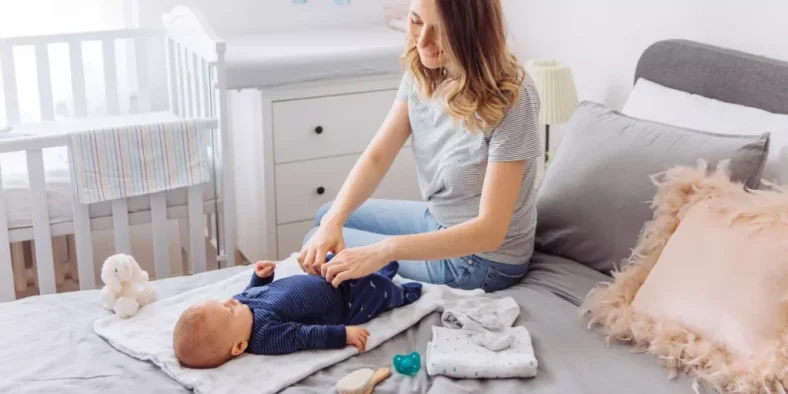
    As a parent, ensuring your baby’s well-being during seasonal transitions is paramount. From changes in temperature to shifting environmental conditions, safeguarding your little one requires attention to detail. By following some essential guidelines and being proactive, you can create a safe and comfortable environment for your baby to thrive in all seasons. Remember, being prepared and informed is key to navigating seasonal shifts with ease and confidence.

    Dressing Appropriately

    During the unpredictable weather shifts of seasonal changes, ensure you dress your baby appropriately to keep them comfortable and protected.

    Begin by selecting clothing made from breathable fabrics like cotton to help regulate your baby’s body temperature. Layering is key to easily adjust to fluctuating temperatures throughout the day. Choose one more layer than you’d wear to ensure your baby stays cozy.

    In colder weather, opt for hats, mittens, and booties to protect their extremities. Conversely, in warmer weather, dress them in lightweight, loose-fitting clothing to prevent overheating. Consider using a wide-brimmed hat and sunglasses to shield their delicate skin and eyes from the sun’s harmful rays.

    Pay attention to signs of discomfort like fussiness or flushed skin, which may indicate your baby is too hot or too cold. By dressing your baby appropriately for the weather, you can help them stay content and safe during seasonal changes.

    Monitoring Indoor Temperature

    To ensure your baby’s comfort and safety, regularly monitor the indoor temperature of your home. Maintaining a consistent temperature is crucial for your baby’s well-being, especially during seasonal changes. Sudden temperature fluctuations can make it challenging for your little one to adjust, potentially leading to discomfort or health issues.

    Invest in a reliable thermometer to keep track of the temperature in your baby’s room. The ideal temperature for your baby’s room should be between 68 to 72 degrees Fahrenheit (20 to 22 degrees Celsius). Make sure to adjust the thermostat as needed to maintain this range, providing a comfortable environment for your baby to sleep and play.

    Keep an eye out for signs that your baby might be too hot or too cold. Check for sweating, flushed cheeks, or shivering, as these could indicate that the temperature needs adjustment. By monitoring the indoor temperature regularly, you can create a safe and cozy space for your little one to thrive.

    Skin Care and Hydration

    Ensure proper skin care and hydration for your baby to maintain their health and comfort during seasonal changes. Babies have delicate skin that’s more prone to dryness and irritation, especially when the weather shifts. To protect their skin, opt for gentle, fragrance-free baby products to avoid any potential allergens. Moisturize your baby’s skin regularly, focusing on areas that are more prone to dryness, such as elbows, knees, and cheeks. Use a mild, hydrating lotion or cream to keep their skin soft and supple.

    Hydration is also crucial during seasonal changes. Make sure your baby is getting enough fluids, whether through breast milk, formula, or water if they’re older. Dehydration can happen more quickly than you think, so offer fluids frequently, especially during hot weather. Keep an eye out for signs of dehydration like dry lips, fewer wet diapers, or fussiness.

    Seasonal Illness Prevention

    How can you protect your baby from seasonal illnesses? As a parent, there are several proactive steps you can take to safeguard your little one during seasonal changes.

    First and foremost, ensure that your baby receives all recommended vaccinations to protect against common seasonal viruses. Additionally, practicing good hand hygiene by washing your hands and your baby’s hands frequently can help prevent the spread of germs. Avoid exposing your baby to sick individuals and crowded places during peak illness seasons.

    Maintaining a clean and sanitized environment in your home is crucial in preventing the spread of germs. Regularly disinfect commonly touched surfaces, toys, and baby gear. Proper ventilation and humidity control in your baby’s living spaces can also help reduce the risk of respiratory infections.

    Dress your baby appropriately for the weather to prevent exposure to harsh elements that can weaken their immune system. Finally, be vigilant for any signs of illness in your baby and consult their healthcare provider promptly if you notice any concerning symptoms.

    Baby products

    [product_category category=”baby-products” per_page=”10″ columns=”2″ orderby=”date” order=”rnde”]
  • How to Use Baby Massage After Bathing for Extra Relaxation

    How to Use Baby Massage After Bathing for Extra Relaxation

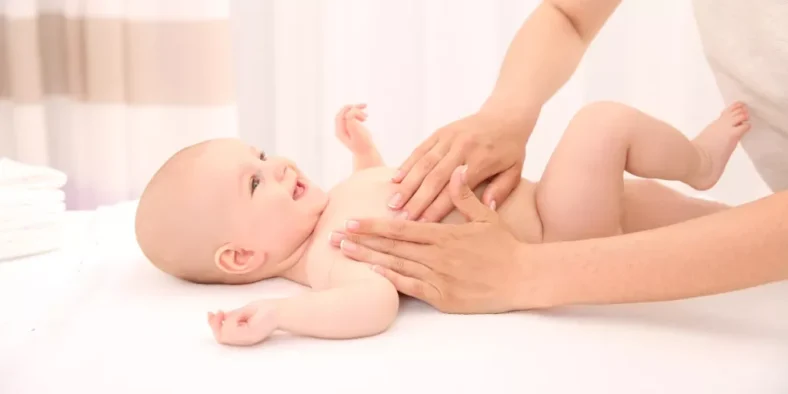
    After bathing your baby, incorporating a soothing massage routine can add an extra layer of relaxation to your post-bath bonding time. Starting with warm natural oil and gentle strokes, massaging your baby’s delicate skin can create a calming experience for both of you. The benefits go beyond just relaxation; it can also help in promoting better sleep and strengthening your emotional connection. So, why not take a moment to explore how these simple techniques can enhance your baby’s overall well-being and deepen your bond even further?

    Benefits of Post-Bath Baby Massage

    After bathing, gently massaging your baby can help promote relaxation and improve bonding between you and your little one. The soothing strokes and gentle pressure can aid in calming your baby’s nervous system, leading to better sleep patterns and reduced fussiness. Not only does this post-bath massage routine help your baby relax, but it also provides an excellent opportunity for skin-to-skin contact, which is essential for strengthening your emotional connection.

    Regular massages can also have physical benefits for your baby. The gentle kneading of your baby’s muscles can help improve circulation and digestion, easing any discomfort from gas or colic. Additionally, the tactile stimulation from the massage can contribute to your baby’s sensory development, enhancing their body awareness and coordination over time.

    Choosing the Right Massage Oil

    When selecting a massage oil for your baby, consider opting for natural, hypoallergenic oils suited for sensitive skin. Look for oils like coconut oil, almond oil, or grapeseed oil, as these are gentle on delicate baby skin. Natural oils are less likely to cause irritation or allergic reactions, making them a safe choice for your little one.

    Avoid oils with strong scents or added chemicals, as these may be too harsh for your baby’s skin. Opt for unscented or lightly scented oils to prevent any potential skin reactions. Always do a patch test before using a new oil to ensure your baby doesn’t have a negative reaction to it.

    Choose oils that are easily absorbed and leave the skin feeling soft and moisturized. Lighter oils like sunflower oil or jojoba oil are great options for baby massage as they absorb well without leaving a greasy residue. Remember, the goal is to provide a soothing and relaxing experience for your baby, so choose an oil that enhances that feeling of relaxation.

    Step-by-Step Baby Massage Techniques

    Consider beginning your baby massage routine by gently applying a small amount of the chosen natural oil onto your hands, ensuring they’re warm before touching your baby’s skin.

    Start by gently massaging your baby’s feet using circular motions with your thumbs, moving from the heel to the toes. Then, move on to the legs, using long, gentle strokes from the thighs down to the feet.

    For the arms, gently rub from the shoulders down to the fingertips, using a light touch. Pay special attention to the joints, gently massaging in circular motions.

    Next, massage your baby’s tummy in a clockwise direction to aid digestion. Finish by gently massaging your baby’s back, using long strokes from the shoulders down to the buttocks.

    Remember to use gentle pressure and observe your baby’s cues for comfort and enjoyment. Baby massage can be a wonderful bonding experience for both you and your little one.

    Creating a Relaxing Post-Bath Routine

    To enhance your baby’s relaxation after a bath, establish a soothing post-bath routine. Begin by gently drying your baby with a soft towel, ensuring to pat the skin dry rather than rubbing to prevent irritation. After drying, move to a warm, cozy area free from drafts or cold air. This transition should be smooth and calm, maintaining a peaceful atmosphere. Next, consider playing soft, soothing music or using white noise to help your baby unwind. Dimming the lights can also signal that it’s time to wind down.

    Following these steps, you can introduce gentle baby massage techniques to further promote relaxation. Use a baby-safe oil or lotion to moisturize your little one’s skin while also providing a calming touch. Start with gentle strokes on the arms, legs, and back, and observe your baby’s cues to ensure they’re comfortable and enjoying the experience. By incorporating these elements into your post-bath routine, you can create a serene environment that encourages relaxation and bonding with your baby.

    Baby products

    [product_category category=”baby-products” per_page=”10″ columns=”2″ orderby=”date” order=”rnde”]
  • Understanding Baby Milestones and How to Support Them

    Understanding Baby Milestones and How to Support Them

    As a caregiver, you may find yourself marveling at the milestones your baby achieves in their first year. From the first smile to those tentative steps, each development marks a significant step in their growth journey. But how can you ensure you are providing the right support to nurture these milestones effectively? Understanding the intricacies of each stage and tailoring your interactions accordingly can make a world of difference in your baby’s progression. Stay tuned to discover practical tips on supporting your little one through these crucial milestones.

    Key Baby Milestones in the First Year

    When monitoring your baby’s development in the first year, keep an eye out for key milestones to ensure they’re progressing appropriately. One crucial milestone is physical development. By around 6 months, your baby should be able to roll over in both directions and sit up without support.

    Additionally, pay attention to their motor skills. Most babies start crawling between 6 to 10 months and may even pull themselves up to stand. Another significant aspect is communication. By their first birthday, babies typically utter simple words like ‘mama’ or ‘dada’ and understand simple commands.

    Furthermore, cognitive development is essential. Babies around 8 to 12 months might start showing curiosity by pointing at objects or imitating gestures. Remember, every child is unique, so milestones may vary slightly. However, if you notice significant delays in multiple areas, consult your pediatrician for guidance and support.

    Celebrate these milestones as they reflect your baby’s growth and development.

    Supporting Social and Emotional Development

    To support your baby’s social and emotional development, engage in interactive play and provide a nurturing environment that encourages bonding and emotional connections. Interacting with your baby through activities like peek-a-boo, singing songs, or playing with toys helps them learn about social cues, emotions, and relationships. Respond to your baby’s smiles, coos, and gestures with warmth and attention, showing them love and support. Building a secure attachment with your baby by being responsive to their needs helps foster a sense of trust and security in the world around them.

    Creating a safe and loving environment is crucial for your baby’s emotional well-being. Ensure that your baby feels secure and comforted by responding promptly to their cries and providing lots of cuddles and affection. This helps them feel loved and valued, which is essential for their emotional development. Remember, every moment spent engaging with your baby in a positive and loving manner contributes significantly to their social and emotional growth.

    Encouraging Physical Milestones

    Engage your baby in playful activities that stimulate their physical development and encourage their exploration of movement and coordination. Encouraging physical milestones is crucial for your baby’s overall growth and development. Simple activities like tummy time, rolling a ball back and forth, or playing with toys that promote reaching and grasping help strengthen your baby’s muscles and improve their coordination.

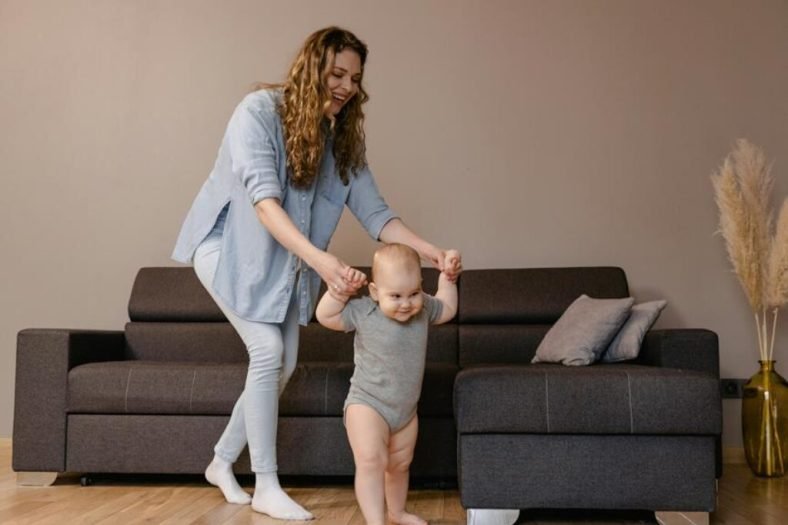
    As your baby grows, provide opportunities for them to practice sitting up, crawling, pulling themselves up, and eventually taking those first steps. Support their efforts by creating a safe environment that allows for exploration and movement. Placing toys just out of reach can motivate them to crawl or cruise along furniture.

    Remember to celebrate each milestone your baby achieves, whether it’s sitting without support or standing up independently. Your encouragement and praise will boost their confidence and motivation to continue developing their physical skills. By engaging in these activities and providing a supportive environment, you’re laying the foundation for your baby to reach their physical milestones with joy and confidence.

    Cognitive Development Milestones to Watch

    As your baby reaches important physical milestones, it’s also crucial to observe their cognitive development milestones to ensure they’re progressing appropriately. Cognitive development refers to how your baby learns, thinks, and solves problems. By paying attention to cognitive milestones, you can support your baby’s mental growth and overall development.

    One key cognitive milestone is object permanence, which typically emerges around 4-8 months. This is when your baby understands that objects continue to exist even when they’re out of sight. You can support this milestone by playing peek-a-boo or hiding a toy under a cloth for your baby to find.

    Another essential cognitive milestone is symbolic thinking, which starts around 18-24 months. This is when your baby begins to use words and gestures to represent objects or ideas. Encourage this development by reading books with your baby and naming objects in their environment.

    Tips for Supporting Language Development

    Want to enhance your baby’s language development? Here are some simple yet effective tips to support your little one’s journey to language milestones.

    First and foremost, engage in frequent conversations with your baby. Whether it’s describing your activities throughout the day or simply narrating a story, talking to your baby helps them become familiar with language patterns and tones.

    Reading to your baby is another fantastic way to boost their language skills. Choose colorful books with simple sentences and vivid pictures to capture their attention. As you read aloud, point to the images and repeat words to reinforce vocabulary.

    Sing songs and nursery rhymes to your baby. Music captures their interest and exposes them to different sounds and rhythms, aiding in language development.

    Additionally, responding to your baby’s babbling encourages them to communicate. Mimic their sounds and expressions to show that you’re listening and understanding, fostering their confidence in language exploration. By incorporating these strategies into your daily interactions, you can provide valuable support for your baby’s language development.

    Baby products

    [product_category category=”baby-products” per_page=”10″ columns=”2″ orderby=”date” order=”rnde”]

  • What Should You Know About Baby Sun Safety?

    What Should You Know About Baby Sun Safety?

    When it comes to baby sun safety, ensuring your little one is protected from harmful UV rays is paramount. From choosing the right sunscreen to dressing them in UPF protective clothing, there are key considerations to keep in mind. But, did you know there’s more to baby sun safety than just sunscreen and clothing? Stay tuned to discover the lesser-known tips and tricks that can make a significant difference in safeguarding your baby’s delicate skin from the sun’s rays.

    Importance of Baby Sun Safety

    Ensuring proper baby sun safety is crucial for protecting your little one’s delicate skin from harmful UV rays. Babies have sensitive skin that’s more susceptible to sunburn and long-term damage from sun exposure. It’s essential to shield your baby from the sun’s harmful rays, especially between 10 a.m. and 4 p.m. when the sun is strongest. Even on cloudy days, UV rays can still penetrate through the clouds and cause harm.

    Sun exposure during infancy and childhood plays a significant role in the development of skin cancer later in life. By taking proactive steps to protect your baby’s skin now, you’re reducing their risk of developing skin cancer as they grow older. Sun safety habits formed early on can have a lasting impact on your child’s health and well-being.

    Choosing the Right Sunscreen

    Selecting the appropriate sunscreen for your baby’s delicate skin requires careful consideration of the SPF level and ingredients. When choosing a sunscreen for your little one, opt for a broad-spectrum formula with an SPF of at least 30 to ensure protection against both UVA and UVB rays.

    Look for sunscreens specifically designed for babies, as they tend to be gentler and less likely to cause irritation. It’s crucial to check the ingredients list and steer clear of harsh chemicals like oxybenzone, parabens, and fragrances that could potentially irritate your baby’s sensitive skin.

    Instead, opt for mineral-based sunscreens containing zinc oxide or titanium dioxide, which are considered safe and effective for infants. Remember to apply the sunscreen generously and reapply every two hours or after swimming or sweating.

    Clothing and Accessories for Sun Protection

    To further shield your baby from the sun’s harmful rays, consider dressing them in protective clothing and accessories. Opt for lightweight, long-sleeved shirts and long pants to cover as much skin as possible. Look for clothing made from tightly woven fabrics that offer UPF (Ultraviolet Protection Factor) protection. Wide-brimmed hats are essential to shade your baby’s face, neck, and ears. Sunglasses with UV protection can also help protect their eyes from harmful UV rays.

    When choosing clothing for your baby, aim for light colors that reflect sunlight instead of absorbing it. Keep in mind that wet clothing offers less protection, so be sure to change your baby out of damp clothes promptly. Additionally, seek out clothing labeled as UPF 50+ for the highest level of protection. Remember to regularly apply sunscreen to any exposed areas that clothing doesn’t cover, and don’t forget to protect yourself from the sun as well to set a good example for your little one.

    Sun Safety Tips for Babies and Toddlers

    For optimal sun protection for your baby or toddler, remember to apply sunscreen generously and frequently. Choose a broad-spectrum sunscreen with SPF 30 or higher and apply it 15 minutes before going outdoors. Reapply every two hours, or more often if your child is swimming or sweating. Protect your little one further by dressing them in lightweight, long-sleeved clothing, a wide-brimmed hat, and sunglasses with UV protection.

    Plan outdoor activities either in the early morning or late afternoon to avoid peak sun hours between 10 a.m. and 4 p.m. Seek shade under trees, umbrellas, or canopies when outside, especially during these hours. Remember that babies under six months should be kept out of direct sunlight and dressed in lightweight clothing that covers their arms and legs. Use a stroller with a canopy or attach a sunshade to provide shade on the go.

    Baby products

    [product_category category=”baby-products” per_page=”10″ columns=”2″ orderby=”date” order=”rnde”]
  • The Importance of Playtime in Baby Development

    The Importance of Playtime in Baby Development

    Engaging in playtime with your baby may seem like just a fun activity, but the benefits it offers go far beyond mere entertainment. As you interact with your little one during play sessions, you are actively contributing to their growth and development in various crucial areas. From cognitive skills to emotional well-being, each play session plays a pivotal role in shaping your baby’s future. So, the next time you engage in playtime with your baby, remember that you’re not just playing – you’re fostering their holistic development in ways you might not even realize.

    Cognitive Development Benefits

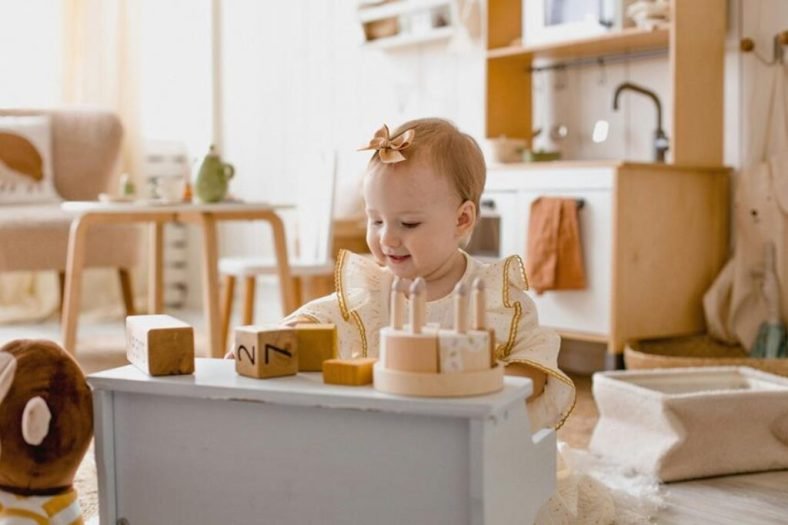
    Playing is crucial for your baby’s cognitive development as it helps them learn about the world around them in a fun and engaging way. Through play, your baby begins to understand cause and effect relationships. For example, when they stack blocks and the tower falls, they learn that certain actions lead to specific outcomes. This basic understanding sets the foundation for more complex problem-solving skills later on.

    Furthermore, play helps your baby improve their memory and concentration. Whether it’s remembering where they hid a toy or focusing on completing a puzzle, these activities exercise their cognitive abilities. As your baby engages in pretend play, such as pretending to cook or talk on a toy phone, they enhance their creativity and imagination. These skills are essential for future learning and adaptability.

    Social Skills Enhancement

    Developing social skills is essential for your baby’s overall growth and interactions with others. Through playtime activities, such as engaging with other children or adults, your baby learns valuable skills like taking turns, sharing toys, and communicating effectively. These interactions help your baby understand social cues, build empathy, and develop friendships.

    Playtime offers opportunities for your baby to practice important social behaviors in a safe and supportive environment. By engaging in pretend play or group activities, your baby learns how to cooperate, negotiate, and resolve conflicts peacefully. These experiences lay the foundation for healthy relationships and effective communication skills later in life.

    Additionally, playtime allows your baby to learn how to regulate emotions and understand the feelings of others. By observing different social interactions and practicing empathy during play, your baby develops a sense of compassion and kindness towards others.

    Physical Growth Stimulation

    To support your baby’s physical growth, incorporating a variety of movement-based activities during playtime is crucial. Engaging in activities like tummy time, crawling, rolling, and reaching for toys helps strengthen your baby’s muscles, improve coordination, and promote overall physical development. These movements not only aid in building your baby’s motor skills but also support the development of a strong and healthy body.

    Encouraging your baby to explore their surroundings through play helps them enhance their balance and spatial awareness. Activities like playing with soft toys, crawling through tunnels, or even dancing to music can stimulate your baby’s physical growth and coordination. Providing opportunities for your baby to move freely and interact with their environment fosters their muscle development and improves their ability to control their body movements.

    Incorporating playful exercises into your baby’s routine not only supports their physical growth but also provides them with a fun and engaging way to learn about their body and capabilities. Remember, creating a safe and stimulating play environment is key to promoting your baby’s physical development.

    Emotional Well-being Promotion

    Ensuring your baby feels secure and loved is essential for fostering their emotional well-being. Creating a nurturing environment where your baby feels safe and cherished lays a strong foundation for their emotional development. Responding to your baby’s cues promptly helps build trust and a sense of security, promoting a positive emotional state.

    Bonding through playtime is a powerful way to strengthen the emotional connection between you and your baby. Engaging in interactive activities like peek-a-boo or gentle tickles can evoke laughter and joy, enhancing your baby’s emotional well-being. Your loving presence and responsiveness during play help your baby feel valued and understood.

    Additionally, expressing affection through cuddles, hugs, and kisses sends a message of love that nurtures your baby’s emotional health. These gestures of warmth and reassurance build a sense of security and comfort, fostering a positive emotional outlook. By prioritizing emotional well-being alongside physical growth, you’re nurturing a happy and emotionally resilient baby.

    Learning and Exploration Opportunities

    Bonding with your baby through playtime offers valuable learning and exploration opportunities that stimulate their development and curiosity. Play is a crucial avenue for your baby to engage with the world around them, learn new skills, and make sense of their environment. Through play, babies have the chance to experiment, problem-solve, and discover cause-and-effect relationships. Simple games like peekaboo can help your baby understand object permanence, while building blocks can enhance their spatial awareness and hand-eye coordination.

    Exploration during playtime allows your baby to use their senses to understand different textures, shapes, and sounds. By providing toys with various colors and sounds, you can help stimulate their sensory development. Encouraging exploration in a safe environment not only fosters curiosity but also builds your baby’s confidence as they navigate and interact with their surroundings.

    As you engage in playtime activities with your baby, you aren’t just having fun together but also laying the foundation for their cognitive, physical, and emotional development. Take this time to bond, explore, and watch your baby learn and grow before your eyes.

    Baby products

    [product_category category=”baby-products” per_page=”10″ columns=”2″ orderby=”date” order=”rnde”]
  • Car Seat Safety Tips Every Parent Must Know

    Car Seat Safety Tips Every Parent Must Know

    Ensuring your child’s safety in the car is not just about having a car seat; it’s about using it correctly. From choosing the right seat to securing your little one properly, there are crucial steps every parent should be aware of. But did you know there’s one frequently overlooked aspect that could make a significant difference in an emergency situation? Let’s uncover this essential tip that can enhance your child’s safety while traveling in a car.

    Choosing the Right Car Seat

    When selecting a car seat for your child, prioritize safety features over aesthetics and price. Your child’s safety is paramount, so focus on finding a car seat that meets all the necessary safety standards. Look for features like a five-point harness, side-impact protection, and energy-absorbing foam. These elements can significantly reduce the risk of injury in case of an accident.

    Consider the age, weight, and height of your child when choosing a car seat. Make sure it’s appropriate for their size to provide optimal protection. Remember that rear-facing seats are recommended for infants and young toddlers as they offer the best support for their developing bodies.

    Check for the expiration date of the car seat to ensure it’s still safe to use. Over time, materials can degrade, impacting the seat’s effectiveness in a crash. Additionally, avoid purchasing second-hand car seats unless you’re certain of their history and that they haven’t been involved in any accidents. Your child’s safety is worth the investment in a quality car seat.

    Installing the Car Seat Correctly

    Ensure you properly secure the car seat in your vehicle to maximize your child’s safety on the road. Start by carefully reading both the car seat manual and your vehicle’s owner’s manual.

    The car seat should be tightly installed in the back seat, as it’s the safest spot. Use either the seat belt or the lower anchors and tether to secure the car seat, but never use both systems simultaneously. The car seat shouldn’t move more than an inch in any direction once installed.

    Make sure the harness straps are at the correct height – at or below your child’s shoulders for rear-facing seats and at or above the shoulders for forward-facing seats. Double-check the recline angle; most rear-facing seats require a specific angle for optimal safety.

    Lastly, always register your car seat with the manufacturer to stay informed about any recalls or safety updates. Remember, a properly installed car seat is crucial for your child’s safety in the event of a crash.

    Securing Your Child in the Car Seat

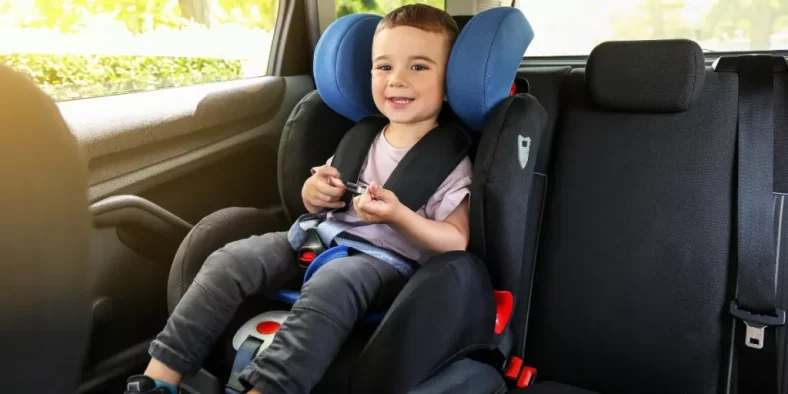
    Properly fasten the harness straps to securely restrain your child in the car seat. Make sure the harness lies flat against your child’s body without twists. The straps should be snug enough that you can’t pinch any excess webbing at the shoulders. Adjust the chest clip to armpit level to keep the harness straps in place.

    Remember, the harness should be at or below your child’s shoulders for rear-facing seats and at or above the shoulders for forward-facing seats. Avoid bulky clothing that could compress in a crash, leaving the straps too loose. Position the chest clip at armpit level to prevent the straps from sliding off the shoulders.

    Ensure the harness is snug and secure every time your child is in the car seat. By taking these steps, you can help protect your child in the event of a collision.

    Regularly Checking and Maintaining the Car Seat

    Regularly inspecting and maintaining your car seat is crucial for ensuring its continued safety and effectiveness. Start by checking the tightness of the seat’s installation in your vehicle. Wiggle the car seat at the base to ensure it doesn’t move more than an inch in any direction.

    Verify that the harness is snug and secure around your child, with no twists or slack. Inspect the straps for any signs of wear or fraying. Clean the car seat regularly, following the manufacturer’s instructions. Use a damp cloth to wipe down the seat and harness, avoiding harsh chemicals that could compromise the materials.

    Check the expiration date of your car seat and replace it if necessary. Keep an eye out for recalls or safety updates from the manufacturer. By staying proactive and vigilant in maintaining your car seat, you can help ensure your child’s safety on every car ride.

    Baby products

    [product_category category=”baby-products” per_page=”10″ columns=”2″ orderby=”date” order=”rnde”]
  • Seasonal Baby Care Tips: Summer Edition

    Seasonal Baby Care Tips: Summer Edition

    As a parent navigating the summer months with your little one, ensuring their safety and comfort in the heat is crucial. From protecting their delicate skin from the sun’s harsh rays to keeping them hydrated and cool, there are essential tips to keep in mind. But what about those unexpected situations that may arise during the summer season, requiring quick thinking and action to safeguard your baby? Stay tuned to discover some lesser-known yet valuable advice that could make all the difference in your baby’s well-being this summer.

    Sun Protection Essentials

    Protect your baby’s delicate skin from harmful UV rays with these essential sun protection tips. When heading outdoors, dress your baby in lightweight, long-sleeved clothing and a wide-brimmed hat to shield their skin from direct sunlight. Opt for sunglasses with UV protection to safeguard their eyes. Before going outside, apply a baby-safe sunscreen with an SPF of 30 or higher, making sure to cover all exposed areas, including the face, ears, and neck. Reapply sunscreen every two hours, or more frequently if your baby has been sweating or swimming.

    Seek shade during the peak hours of 10 a.m. to 4 p.m. when the sun’s rays are strongest. Use a stroller with a canopy or attach a sunshade to protect your baby from direct sunlight. Remember that surfaces like sand, water, and concrete can reflect UV rays, so extra caution is necessary in these environments. By following these simple yet crucial sun protection measures, you can ensure your baby enjoys the outdoors safely and comfortably.

    Hydration Tips for Babies

    Staying hydrated is essential for your baby during the hot summer months. The high temperatures can cause your little one to sweat more, increasing the risk of dehydration. To keep your baby well-hydrated, ensure they’re drinking plenty of fluids throughout the day. Breast milk or formula should still be the primary source of hydration for babies under six months. For babies over six months, water can be introduced in a sippy cup.

    Pay attention to your baby’s cues for thirst, such as increased fussiness or dry lips. Offer fluids frequently, especially if you’re spending time outdoors or if the weather is particularly hot. Avoid giving your baby sugary drinks or sodas, as they can be dehydrating. If you’re breastfeeding, remember to increase your own fluid intake to support milk production and keep both you and your baby hydrated. By staying vigilant about hydration, you can help your baby stay comfortable and healthy during the summer heat.

    Choosing the Right Clothing

    When dressing your baby for the summer months, prioritize lightweight and breathable fabrics to help them stay cool and comfortable. Opt for soft cotton or linen clothes that allow air circulation and absorb sweat. Loose-fitting outfits can also prevent overheating and skin irritation. Look for clothing with UPF (Ultraviolet Protection Factor) to shield your baby from the sun’s harmful rays.

    Consider dressing your baby in layers that can be easily removed as the temperature changes throughout the day. Hats with brims and sunglasses are essential to protect your baby’s delicate skin and eyes from UV rays. Remember to choose light colors that reflect sunlight instead of absorbing heat.

    Avoid synthetic materials that can trap heat and moisture, leading to discomfort. Check your baby regularly for signs of overheating, such as flushed skin or sweating, and adjust their clothing accordingly. By selecting the right clothing, you can ensure your baby stays cool, comfortable, and happy during the summer season.

    Safe Outdoor Play Practices

    Ensure your baby’s safety during outdoor play by implementing proper supervision and age-appropriate equipment. When playing outside with your little one, always keep a close eye on them to prevent any accidents. Make sure the play area is secure and free of any hazards like sharp objects, choking hazards, or dangerous plants. It’s essential to choose outdoor toys and equipment that are suitable for your baby’s age and development level to minimize the risk of injuries.

    When setting up the play area, consider placing a soft mat or grassy area underneath any climbing structures or swings to cushion any falls. Remember to regularly inspect outdoor toys for any signs of wear and tear that could make them unsafe for use. Additionally, always follow the manufacturer’s guidelines for assembly and use of outdoor play equipment.

    Encourage your baby to explore and interact with nature during outdoor playtime, but make sure they stay within your line of sight at all times. By following these safety practices, you can create a secure environment for your baby to enjoy the outdoors and have fun safely.

    Insect Protection Measures

    To protect your baby from insect bites during outdoor play, consider using safe and effective insect protection measures. Start by dressing your baby in light-colored clothing that covers their arms and legs to minimize exposed skin. Apply a baby-safe insect repellent containing DEET or picaridin to areas not covered by clothing. Opt for repellents specifically formulated for infants to ensure safety.

    When using insect repellent on your baby, avoid applying it to their hands, near the eyes, or on any irritated skin. Additionally, consider using a mosquito net over your baby’s stroller or play area to create a physical barrier against insects. Be mindful of peak mosquito activity times, usually around dawn and dusk, and try to schedule outdoor activities accordingly.

    Regularly check your baby for any insect bites or stings, and consult a healthcare provider if you notice any unusual reactions. By following these simple yet crucial insect protection measures, you can help keep your baby safe and comfortable during outdoor summer adventures.

    Baby products

    [product_category category=”baby-products” per_page=”10″ columns=”2″ orderby=”date” order=”rnde”]

  • Baby Proofing Your Home: A Complete Checklist

    Baby Proofing Your Home: A Complete Checklist

    As you go through each room in your home, ensuring it’s safe for your little one is paramount. From securing electrical outlets to preventing falls on staircases, every corner requires careful attention. But what about the less obvious dangers lurking around your house? Stay tuned to discover some often overlooked areas that might need your immediate attention in order to create a truly baby-proofed environment.

    Kitchen Safety

    When baby proofing your home, make sure to pay special attention to kitchen safety to prevent accidents. Start by installing safety latches on all cabinets and drawers within reach. This will prevent your curious little one from getting into harmful substances or sharp objects. Keep all cleaning supplies and chemicals locked away in a high cabinet or secured with a childproof lock.

    Secure all low-hanging kitchen appliances, such as toasters and blenders, to prevent them from being pulled down. Store appliance cords out of reach to avoid any potential strangulation hazards. Always turn pot handles inward when cooking on the stove to prevent your child from grabbing them and causing spills or burns.

    Ensure that all sharp utensils are stored in a locked drawer or up high, away from tiny hands. Keep hot drinks and foods out of reach and never leave them unattended on the counter. By taking these simple precautions, you can create a safe kitchen environment for your little one to explore without worry.

    Bathroom Essentials

    To ensure a safe bathroom environment for your little one, prioritize securing medicine cabinets and toilet lids out of their reach. Store all medications, toiletries, and cleaning products in locked cabinets or high shelves. Childproof latches can prevent curious hands from accessing potentially harmful items. Remember to keep the toilet lid closed and consider installing a toilet lock to prevent drowning hazards.

    Additionally, cover sharp edges of countertops and install soft close mechanisms on drawers to prevent pinched fingers. Use non-slip mats in the bathtub and on the floor to avoid slips and falls. Adjust the water heater to a safe temperature to prevent burns. Ensure electrical outlets near water sources are equipped with ground fault circuit interrupters (GFCIs) to reduce the risk of electric shock.

    Regularly check for any leaks or mold growth in the bathroom to maintain a healthy environment for your little one. By implementing these bathroom safety measures, you can create a secure space for your child to explore and enjoy bathtime without unnecessary risks.

    Living Room Hazards

    Secure your living room by identifying and addressing potential hazards that could pose a danger to your child’s safety.

    Start by ensuring all electrical outlets are covered with safety plugs to prevent curious fingers from getting shocked.

    Secure heavy furniture such as bookshelves and TV stands to the wall to prevent tipping.

    Keep cords from blinds and curtains out of reach by using cord wind-ups or ties.

    Place cushiony edge guards on sharp corners of coffee tables and other furniture to prevent head injuries.

    Store away small items like coins, batteries, or any other choking hazards that might be within reach.

    Be mindful of plants that could be toxic and either move them out of reach or opt for non-toxic alternatives.

    Lastly, keep remote controls, small toys, and other small objects off the floor to prevent choking hazards.

    Bedroom Precautions

    To ensure your child’s safety in the bedroom, prioritize securing furniture and covering sharp edges to prevent accidents. Start by anchoring heavy dressers, bookshelves, and other tall furniture to the wall to prevent tip-overs. Use furniture straps or L-brackets for a secure attachment. Keep cribs, beds, and other furniture away from windows to avoid falls. Place safety gates at the entrance of the room to restrict access when needed.

    Cover sharp edges of furniture, such as bed frames, nightstands, and dressers, with corner guards to prevent injuries. Make sure electrical outlets are covered with outlet plugs to avoid electrical accidents. Keep cords from blinds or curtains out of reach to prevent strangulation hazards. Install window guards or stops to limit how far windows can be opened, reducing the risk of falls. Additionally, avoid placing small objects like toys or jewelry within reach of your child while in the bedroom.

    General Home Safety

    Ensure all rooms in your home are equipped with smoke detectors and carbon monoxide alarms for optimal safety. These devices are crucial in alerting you to potential dangers, allowing you to take immediate action to protect your family. Regularly test the alarms and replace batteries as needed to ensure they’re functioning correctly.

    Keep all sharp objects, choking hazards, and toxic substances out of reach of children. Secure heavy furniture and TVs to the wall to prevent tipping accidents. Use safety gates at the top and bottom of stairs to prevent falls.

    Check that all electrical outlets have outlet covers to prevent accidental shocks. Keep cords for blinds or curtains out of reach to avoid strangulation risks. Install window guards to prevent falls from open windows.

    Create a family emergency plan and ensure all family members are familiar with it. Include important contacts, evacuation routes, and designated meeting points. Practice fire drills regularly to ensure everyone knows what to do in case of an emergency.

    Baby products

    [product_category category=”baby-products” per_page=”10″ columns=”2″ orderby=”date” order=”rnde”]
  • Babyproofing Your Kitchen: A Complete Checklist

    Babyproofing Your Kitchen: A Complete Checklist

    As you navigate the task of babyproofing your kitchen, ensuring every corner is secure is paramount. From the cabinets to the appliances, there are numerous areas that require careful attention to detail. But what about those often-overlooked spaces that can pose unexpected risks to your little explorer? Stay tuned to uncover some lesser-known babyproofing tips that could make all the difference in creating a truly safe kitchen environment for your child.

    Essential Babyproofing Supplies

    When babyproofing your kitchen, ensure you have all the essential supplies for keeping your little one safe. Start by installing safety latches on cabinets and drawers to prevent your curious explorer from accessing harmful items. These latches are easy to install and provide a simple yet effective way to secure potentially dangerous areas.

    Next, cover all electrical outlets with outlet covers to prevent your child from inserting objects into them. Outlet covers are inexpensive and readily available at most stores selling babyproofing supplies.

    Additionally, consider installing stove knob covers to prevent your child from accidentally turning on the stove. These covers are transparent and easily removable for adult use.

    Lastly, invest in corner guards to cushion sharp edges on countertops and tables. These guards come in various colors and designs to blend seamlessly with your kitchen decor while ensuring your child’s safety.

    Safety Measures for Kitchen Appliances

    To ensure the safety of your little one in the kitchen, always remember to implement proper safety measures when using kitchen appliances.

    Start by keeping appliance cords out of reach to prevent any accidental tugging or entanglement.

    When using appliances like blenders or food processors, make sure they’re placed on stable surfaces to avoid tipping over.

    Always unplug appliances when not in use and store them out of reach to prevent curious hands from turning them on.

    Additionally, when cooking on the stove, use back burners and turn pot handles towards the back to prevent accidental spills or burns.

    Remember to regularly check for any wear and tear on appliances and replace or repair them as needed to avoid potential hazards.

    Childproofing Kitchen Cabinets and Drawers

    Make sure to secure all kitchen cabinets and drawers to prevent your little one from accessing potentially harmful items or substances. Start by installing safety latches or locks on cabinet doors to keep curious hands out of places they shouldn’t be. These locks are typically easy for adults to operate but can effectively deter children from opening cabinets.

    Make it a habit to store all cleaning products, sharp objects, and medications out of reach or in locked cabinets. Consider organizing your cabinets so that non-hazardous items are within your child’s reach, making it safer for them to explore.

    For drawers, use drawer locks to prevent them from being pulled out completely, reducing the risk of pinched fingers or items falling on your child. Regularly check the condition of these safety devices to ensure they’re still working properly.

    Tips for Creating a Baby-Friendly Space

    Creating a baby-friendly space involves strategically arranging furniture and décor to ensure your little one’s safety and comfort. Begin by placing soft rugs or foam mats on the floor to create a cushioned play area. Secure heavy furniture like bookshelves and dressers to the wall to prevent tipping.

    Cover sharp corners of tables and countertops with corner guards to protect your baby from bumps and bruises. Opt for furniture with rounded edges to minimize the risk of injuries. Keep electrical cords out of reach or use cord shorteners to prevent strangulation hazards.

    Install safety gates at the top and bottom of stairs to restrict access. Consider using furniture straps to secure TVs and other large items that could topple over. Keep small objects out of reach to prevent choking hazards.

    Baby products

    [product_category category=”baby-products” per_page=”10″ columns=”2″ orderby=”date” order=”rnde”]