
Category: Baby

  • Choosing Non-Toxic Toys for Your Baby

    Choosing Non-Toxic Toys for Your Baby

    When it comes to selecting toys for your baby, being mindful of their safety is paramount. The materials used in toys can have a significant impact on your little one’s health, making the choice of non-toxic options crucial. But how can you be sure that the toys you pick are truly free from harmful substances? Stay tuned to discover some key insights that will help you navigate the world of non-toxic toys and make informed decisions for your baby’s well-being.

    Why Non-Toxic Toys Matter

    When choosing toys for your baby, prioritizing non-toxic options is crucial for their safety and well-being. Babies are curious explorers, often putting toys in their mouths as they discover the world around them. Opting for non-toxic toys ensures that they aren’t exposed to harmful chemicals that could potentially harm their health.

    Non-toxic toys are made without substances like lead, phthalates, BPA, and other harmful chemicals that can be found in some plastic toys. These chemicals have been linked to various health issues, including developmental delays and hormonal disruptions. By selecting non-toxic toys, you’re creating a safer environment for your little one to play and explore without unnecessary risks.

    Furthermore, non-toxic toys aren’t only better for your baby but also for the environment. Choosing toys made from natural or organic materials reduces the impact on the planet and promotes sustainable practices. By prioritizing non-toxic toys, you aren’t only safeguarding your baby’s health but also contributing to a cleaner, greener future for all.

    Understanding Toy Materials

    To make informed choices when selecting toys for your baby, understanding the materials used in toy production is key to ensuring their safety and well-being. Toys can be made from various materials, each with its own characteristics and potential risks.

    Plastic toys, for example, may contain harmful chemicals like BPA or phthalates, which are known to disrupt hormones and have adverse health effects. Wooden toys, on the other hand, are often considered a safer option as they’re typically made from natural, non-toxic materials. However, it’s essential to ensure that the wood is untreated or finished with child-safe, non-toxic paints or stains.

    Fabrics used in plush toys should be hypoallergenic and free from harmful dyes or flame retardants. Additionally, metal toys should be made from lead-free materials to prevent any toxic exposure.

    Tips for Safe Toy Selection

    Ensure the safety of your baby by prioritizing non-toxic toys through these practical tips for selecting toys.

    When choosing toys, opt for products labeled as BPA-free, phthalate-free, and lead-free to avoid harmful chemicals.

    Inspect toys for small parts that could pose a choking hazard, especially for infants and toddlers.

    Look for toys made from natural materials like wood or organic cotton, as they’re often safer choices.

    Consider the toy’s construction and durability to prevent breakage and potential injuries.

    Always follow age recommendations on toys to ensure they’re developmentally appropriate for your baby.

    Regularly inspect toys for wear and tear, and discard any damaged items to prevent accidents.

    Lastly, prioritize toys that encourage active play, creativity, and sensory stimulation to promote your baby’s overall development.

    Promoting Baby’s Health and Development

    Prioritize your baby’s health and development by incorporating engaging activities that stimulate their senses and encourage physical movement. Engaging your baby in interactive play not only fosters bonding but also supports their cognitive and motor skills. Simple activities like tummy time, where your baby strengthens their neck and core muscles, are crucial for their physical development. Additionally, sensory play with toys of different textures, shapes, and colors can enhance their sensory awareness and cognitive abilities.

    Encourage your baby’s development by providing toys that promote exploration and problem-solving. Toys like stacking cups or shape sorters can help develop their fine motor skills and hand-eye coordination. Engage in activities that involve singing, reading, or talking to your baby to support their language development. These interactions not only aid in language acquisition but also strengthen the parent-child bond.

    Remember to create a safe environment for your baby to explore and play. Regularly inspect toys for any wear and tear to prevent choking hazards. By prioritizing your baby’s health and development through engaging activities and safe toy choices, you’re laying a strong foundation for their growth and well-being.

    Baby products

    [product_category category=”baby-products” per_page=”10″ columns=”2″ orderby=”date” order=”rnde”]

  • What Should You Do If Your Baby Gets a Burn or Scald?

    What Should You Do If Your Baby Gets a Burn or Scald?

    If your baby gets a burn or scald, knowing how to respond promptly can make a significant difference in their recovery. The first moments following the incident are crucial, and your quick actions can help alleviate pain and prevent further damage. Stay tuned to discover essential steps to take in the event of a burn or scald, ensuring you are equipped to handle such situations effectively and keep your little one safe.

    Recognize the Type of Burn or Scald

    When assessing a burn or scald on your baby, it’s crucial to identify the type promptly. Burns are categorized into three main types: first-degree, second-degree, and third-degree burns. First-degree burns are usually mild and only affect the outer layer of the skin, causing redness and pain.

    Second-degree burns are more severe, affecting both the outer layer and the layer underneath, leading to blisters, swelling, and intense pain. Third-degree burns are the most severe, damaging all layers of the skin and potentially underlying tissues, resulting in a white or charred appearance.

    To recognize the type of burn or scald your baby has, carefully examine the affected area. Look for signs such as redness, blistering, swelling, and the depth of the injury. Understanding the type of burn is essential as it determines the appropriate course of action and medical treatment required to ensure your baby’s well-being. Remember, accurate identification of the burn type is the first step in providing the necessary care for your little one.

    Provide Immediate First Aid

    If your baby sustains a burn or scald, the first step is to provide immediate first aid to alleviate their pain and prevent further damage. Begin by removing your baby from the source of the burn or scald to prevent additional injury. Then, cool the affected area by running it under cool (not cold) water for about 10-20 minutes. Avoid using ice or butter on the burn as this can worsen the damage.

    Next, gently pat the area dry with a clean cloth and cover it loosely with a sterile bandage or clean cloth to protect it from infection. It’s important not to break any blisters that may have formed, as this can increase the risk of infection.

    If the burn or scald is on your baby’s face, hands, feet, or genitals, or if it covers a large area, seek medical attention immediately. Keep a close eye on your baby for any signs of shock, such as pale skin, rapid heartbeat, or shallow breathing. Remember to comfort and reassure your baby throughout the process to help them feel safe and secure.

    Seek Medical Attention if Necessary

    Consider consulting a healthcare provider promptly if the burn or scald on your baby requires medical attention. It’s crucial to seek professional help in certain situations, such as when the burn is larger than a quarter in size, appears deep, or is located on the face, hands, feet, genitals, or joints. Additionally, if the burn is from a chemical or electrical source, seeking medical attention is imperative. A healthcare provider can assess the severity of the burn, provide appropriate treatment, and prevent potential complications.

    Medical attention may also be necessary if your baby is showing signs of infection, such as increased redness, swelling, warmth, or drainage from the burn site. In cases where the burn is causing excessive pain that isn’t relieved by over-the-counter medications, a healthcare provider can offer pain management strategies. Remember, burns can be serious injuries, especially in infants, so it’s better to err on the side of caution and seek medical advice when in doubt.

    Prevent Future Burns or Scalds

    To prevent future burns or scalds on your baby, prioritize implementing safety measures in your home environment. Start by adjusting your water heater to below 120°F (48°C) to prevent accidental scalding during baths. Always test the water temperature before placing your baby in the tub.

    Install stove guards to prevent little fingers from reaching hot surfaces, and use back burners with pot handles turned inward. Keep hot drinks away from edges and use mugs with lids. Secure electrical cords and keep hot objects out of reach on high surfaces. Use safety gates to block access to dangerous areas like the kitchen.

    Store matches, lighters, and candles in childproof cabinets. Avoid holding hot food or beverages while carrying your baby. Never leave your baby unattended near fireplaces, heaters, or candles. These simple precautions can significantly reduce the risk of burns or scalds, ensuring a safe environment for your little one.

    Baby products

    [product_category category=”baby-products” per_page=”10″ columns=”2″ orderby=”date” order=”rnde”]
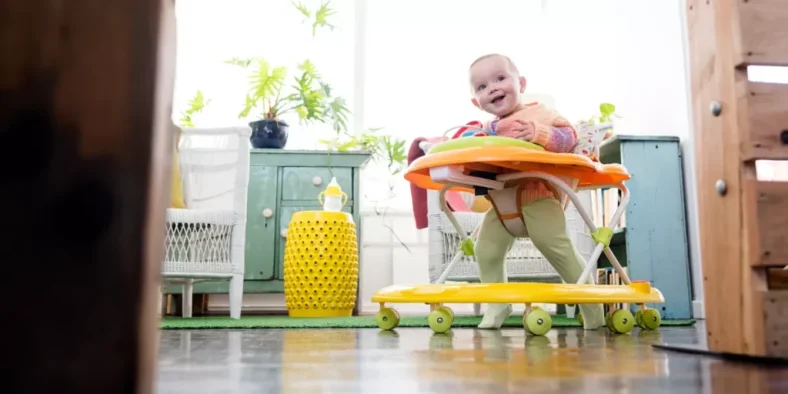
  • What Are the Safety Guidelines for Baby Walkers and Jumpers?

    What Are the Safety Guidelines for Baby Walkers and Jumpers?

    When it comes to your baby’s safety, understanding the guidelines for walkers and jumpers is paramount. Ensuring that these products are used correctly and in line with safety recommendations can significantly reduce the risk of accidents. By following the advice provided, you can create a secure environment for your little one to explore and play. So, let’s explore the key safety measures that every parent should be aware of to protect their child while using these devices.

    Importance of Safety Guidelines

    To ensure the well-being of your child, understanding and following safety guidelines for baby walkers and jumpers is crucial. These guidelines aren’t just suggestions; they’re designed to protect your baby from potential accidents and injuries. By adhering to these safety measures, you’re creating a secure environment for your little one to explore and play safely.

    Safety guidelines for baby walkers and jumpers are put in place to prevent accidents such as falls, collisions, or entrapment. Babies are curious and eager to move around, but they lack the coordination and judgment to navigate certain situations safely. That’s why it’s up to you, as a parent or caregiver, to ensure that the equipment your child is using meets safety standards and is used correctly.

    Choosing the Right Product

    When selecting a baby walker or jumper, prioritize safety features over aesthetic appeal. Safety should be your top concern when choosing the right product for your little one. Look for walkers or jumpers that have features like sturdy frames, non-slip grips, and secure harnesses to keep your baby safe during use. Make sure the product meets current safety standards and has no recalls or safety issues.

    Consider the size and weight limits of the walker or jumper to ensure it’s suitable for your baby’s age and development stage. Adjustable height settings can also be beneficial to accommodate your growing baby. Additionally, opt for products that are easy to clean and maintain for hygienic purposes.

    Reading reviews and seeking recommendations from other parents can provide valuable insights into the best products on the market. Remember, while stylish designs are appealing, safety should always come first when choosing a baby walker or jumper.

    Proper Usage Instructions

    Ensure proper usage of the baby walker or jumper by following the manufacturer’s guidelines and safety instructions. Always assemble the product according to the provided instructions to ensure stability and safety. Make sure that all parts are securely attached before placing your baby in the walker or jumper. Adjust the height settings to fit your baby comfortably, ensuring their feet can touch the ground for walkers and there’s enough room for movement in jumpers.

    When using the baby walker, only place your baby on flat surfaces to prevent tipping. Avoid stairs, uneven surfaces, and areas near pools or other water bodies at all times. Similarly, for jumpers, ensure they’re securely attached to a door frame that can support your baby’s weight without any risk of detachment. Always supervise your baby during use and limit the time spent in the walker or jumper to avoid overuse.

    Supervision and Monitoring

    Proper supervision is essential when your baby is using a walker or jumper to ensure their safety. Always keep a close eye on your little one while they’re in the walker or jumper. It only takes a moment for an accident to happen, so staying vigilant is crucial. Make sure to be present and attentive, ready to react if needed.

    When supervising your baby, stay within arm’s reach to prevent any potential falls or accidents. Avoid leaving your child unattended, even for a short period. Remember, the purpose of supervision is to intervene quickly if something goes wrong.

    Regularly check the walker or jumper for any signs of damage or malfunction. Inspect the equipment before each use to ensure it’s safe and secure. Monitoring the condition of the walker or jumper is just as important as supervising your baby while they’re using it.

    Baby products

    [product_category category=”baby-products” per_page=”10″ columns=”2″ orderby=”date” order=”rnde”]

  • How Can You Ensure Safe Babywearing During Exercise?

    How Can You Ensure Safe Babywearing During Exercise?

    When it comes to incorporating babywearing into your exercise routine, safety is paramount. Ensuring your little one is secure and comfortable while you move is crucial for a successful workout session. But what are the key factors to consider to guarantee a safe and enjoyable experience for both you and your baby? Let’s explore some essential tips to help you navigate this journey with confidence and peace of mind.

    Choosing the Right Baby Carrier

    When selecting a baby carrier for exercising, prioritize comfort and proper support for both you and your little one. Look for carriers with padded shoulder straps and waist belts to distribute weight evenly and prevent strain on your back. Opt for breathable materials to keep you and your baby cool during workouts. Adjustable straps are essential to ensure a snug fit for both of you. Consider carriers that offer multiple carrying positions to accommodate your exercise routine and your baby’s comfort.

    Before making a purchase, try on different carriers with your baby to see how they feel and ensure proper fit. Make sure your baby’s hips are supported in a spread-squat position to promote healthy hip development. Check for any potential choking hazards or loose straps that could pose a safety risk. Prioritize carriers that are easy to put on and take off to simplify your workout routine. By choosing a baby carrier that prioritizes comfort and support, you can enjoy safe and enjoyable exercise sessions with your little one.

    Ensuring Proper Baby Positioning

    To ensure proper baby positioning during exercise, focus on aligning your little one’s body correctly within the baby carrier to support their safety and comfort. Start by ensuring that your baby’s face is visible and clear of any fabric to maintain an open airway for breathing. Their chin should be off their chest to prevent any restriction in airflow. Position your baby high enough on your chest so you can easily kiss the top of their head.

    Check that your baby’s back is well-supported and that they’re snug against your body without any gaps. Their hips should be spread apart in a spread-squat position to promote healthy hip development. Make sure their knees are higher than their bottom, forming an ‘M’ shape with their legs. Regularly monitor your baby’s positioning throughout your exercise routine to make any necessary adjustments.

    Monitoring Comfort Levels

    Ensure your baby’s comfort levels by observing their body language and responsiveness throughout your exercise routine. Keeping an eye on how your baby is reacting can help prevent discomfort or distress during your workout. Look for cues such as fussiness, squirming, or changes in breathing patterns that could indicate your baby isn’t comfortable. If you notice any signs of discomfort, it’s essential to take a break and adjust your baby’s position or check if they need a diaper change or feeding.

    Additionally, pay attention to how your baby is positioned in the carrier. Make sure their airways are clear and that they’ve proper support for their head and neck. Your baby’s comfort should always be a priority to ensure a safe and enjoyable experience for both of you. Remember to adjust the carrier if needed and take breaks to assess your baby’s comfort levels periodically.

    Staying Safe While Exercising

    Maintain a secure and injury-free babywearing exercise by following these safety precautions.

    First, ensure your baby is properly positioned in the carrier to support their head and neck. Check that there’s enough airflow around your baby to prevent overheating. It’s crucial to use a carrier that’s appropriate for the type of exercise you’ll be doing to prevent any accidents.

    When engaging in physical activities, be mindful of your surroundings to avoid tripping or falling. Always start with a warm-up to prepare your body and gradually increase the intensity of your workout. Listen to your body and your baby’s cues; if either of you seems uncomfortable, stop immediately.

    Stay hydrated throughout your workout, especially if you’re breastfeeding. Lastly, consult with your healthcare provider before starting any postpartum exercise routine to ensure it’s safe for you and your baby.

    Baby products

    [product_category category=”baby-products” per_page=”10″ columns=”2″ orderby=”date” order=”rnde”]

  • What Are the Dos and Don’ts of Babywearing Safety?

    What Are the Dos and Don’ts of Babywearing Safety?

    When it comes to babywearing safety, you want to ensure that your little one is secure and comfortable. But what are the essential dos and don’ts to keep in mind to guarantee a safe babywearing experience? From proper positioning to choosing the right carrier, there are crucial steps you need to follow to protect your baby and enjoy the benefits of babywearing. So, let’s dive into the dos and don’ts that will make your babywearing journey a smooth and secure one.

    Proper Babywearing Positioning

    When babywearing, ensure your little one is snug against your body, with their airways clear and visible at all times. This positioning is crucial to ensure your baby can breathe properly and is in a safe and secure position. Make sure your baby’s face isn’t pressed into your body or covered by any fabric. Their chin shouldn’t be touching their chest, as this can restrict their airflow. Keep your baby’s head close enough to kiss to monitor their breathing and ensure they’re comfortable.

    Additionally, check that your baby’s legs are positioned correctly. In an ergonomic baby carrier, your baby’s legs should be in the ‘M’ position, with their knees higher than their hips. This position supports healthy hip development and prevents any discomfort for your little one. Regularly check your baby’s position while babywearing to make sure they’re secure and in the proper alignment. By following these guidelines, you can ensure a safe and comfortable babywearing experience for both you and your baby.

    Choosing the Right Baby Carrier

    To ensure optimal comfort and safety for you and your baby, selecting the appropriate baby carrier is essential. When choosing a baby carrier, consider factors such as your baby’s age and size, your body type, and how you plan to use the carrier.

    Soft-structured carriers, like buckle carriers, are easy to use and provide good support for longer outings. Ring slings are versatile and can be adjusted for different caregivers, making them a great option for quick trips. If you prefer a more traditional option, wrap carriers offer a customizable fit but may have a steeper learning curve.

    Ensure that the carrier you choose provides proper support for your baby’s head and neck, keeps their airways clear, and allows for proper leg positioning. Additionally, make sure the carrier is comfortable for you to wear for extended periods to prevent strain or discomfort.

    Safety Precautions to Keep in Mind

    Ensure your baby carrier is properly adjusted to fit snugly and securely to your body before placing your baby inside. This is crucial to prevent your baby from slumping down or suffocating. Always check that all buckles, straps, and ties are fastened correctly and that the fabric isn’t twisted or bunched up. Before heading out, practice putting on and taking off the carrier with a doll or a stuffed animal to ensure you’re comfortable and confident with the process.

    Additionally, make sure to position your baby high enough on your chest so that you can easily kiss the top of their head. Keep their airways clear by ensuring their chin is off their chest and they’ve a clear breathing passage. Regularly check on your baby’s position while in the carrier to guarantee they’re safe and secure.

    Lastly, avoid any activities that could jeopardize your baby’s safety while babywearing, such as cooking over an open flame or engaging in high-impact sports. By following these safety precautions, you can enjoy the benefits of babywearing while keeping your little one safe.

    Common Babywearing Mistakes to Avoid

    To ensure safe babywearing practices, always check that your carrier is properly fitted and secured before placing your baby inside. One common mistake to avoid isn’t adjusting the carrier to fit your body correctly. A carrier that’s too loose can lead to instability and discomfort for both you and your baby. Additionally, failing to follow the manufacturer’s instructions on how to wear the carrier properly can compromise safety. It’s crucial to familiarize yourself with the recommended positioning and adjustments to prevent accidents.

    Another mistake is overlooking your baby’s airway. Ensure that your baby’s chin is off their chest and that their face is visible at all times. Incorrect positioning can restrict airflow, posing a risk of suffocation. Moreover, neglecting to regularly check and readjust your baby’s position can result in discomfort or even injury. Remember to monitor your baby’s body alignment and make necessary adjustments to keep them safe and comfortable during babywearing.

    Baby products

    [product_category category=”baby-products” per_page=”10″ columns=”2″ orderby=”date” order=”rnde”]

  • How to Prepare Your Baby’s Nursery for Maximum Safety

    How to Prepare Your Baby’s Nursery for Maximum Safety

    When setting up your baby’s nursery, ensuring maximum safety is paramount. From selecting the right crib to implementing key baby-proofing measures, each detail plays a crucial role in creating a secure environment for your little one. But what about the lesser-known safety precautions that could make all the difference? Stay tuned to discover some often overlooked safety tips that can further enhance the nursery’s protective features and provide you with peace of mind.

    Choosing the Right Crib

    When selecting a crib for your baby’s nursery, prioritize safety features above all else. Look for cribs that meet current safety standards, with slats that are no more than 2-3/8 inches apart to prevent your baby’s head from getting stuck. Ensure the crib has a firm mattress that fits snugly without any gaps around the edges, reducing the risk of suffocation. Check for any sharp edges or corners that could potentially harm your little one.

    Opt for a crib with adjustable mattress height settings, allowing you to lower the mattress as your baby grows and becomes more mobile. This prevents them from climbing out and falling. Avoid cribs with drop-down sides, as they pose a serious safety hazard and have been banned in recent years due to numerous accidents.

    Consider a crib with non-toxic finishes to minimize your baby’s exposure to harmful chemicals. Lastly, assemble the crib correctly following the manufacturer’s instructions to ensure its stability and safety. Remember, a safe crib is essential for your baby’s well-being and peaceful sleep.

    Baby-Proofing Essentials

    Ensure your home is a safe environment for your baby by implementing essential baby-proofing measures. Start by covering all electrical outlets with safety plugs to prevent any potential shocks.

    Secure furniture such as bookshelves and dressers to the wall to avoid tipping accidents. Install safety gates at the top and bottom of stairs to restrict your baby’s access to potentially dangerous areas.

    Keep small objects and choking hazards out of reach by storing them in locked cabinets or high shelves. Use corner guards on sharp furniture edges to prevent injuries during playtime.

    Cordless window coverings are crucial to avoid any strangulation risks. Check that all toys are age-appropriate and don’t have small parts that can be swallowed.

    Lastly, consider installing door knob covers to prevent your little one from wandering into rooms where they shouldn’t be. By addressing these baby-proofing essentials, you can create a secure nursery for your baby to explore and grow safely.

    Safe Sleep Practices

    To ensure your baby’s safety even during sleep, it’s important to establish and follow safe sleep practices in their nursery. Firstly, always place your baby on their back to sleep. This position reduces the risk of sudden infant death syndrome (SIDS).

    Make sure the crib mattress is firm and fits snugly within the crib to prevent any gaps where your baby could get trapped. Avoid using pillows, blankets, or bumper pads in the crib, as these can pose suffocation hazards. Instead, dress your baby in a sleep sack or footed pajamas to keep them warm.

    Additionally, keep the room at a comfortable temperature for sleep, around 68-72°F (20-22°C). Ensure there are no cords or wires near the crib that could be a strangulation risk. Lastly, consider using a baby monitor with video capabilities to keep an eye on your little one while they sleep.

    Monitoring Nursery Temperature

    Maintain a comfortable nursery temperature between 68-72°F (20-22°C) to ensure your baby sleeps soundly and safely. Use a reliable thermometer to monitor the room temperature regularly. Sudden changes in temperature can disturb your baby’s sleep and may increase the risk of Sudden Infant Death Syndrome (SIDS).

    To regulate the nursery temperature effectively, consider using a thermostat or a room thermometer. Keep the nursery well-ventilated but avoid direct drafts that could make the room too cold. During hot weather, use fans or air conditioning to maintain a cool environment. In colder months, dress your baby in layers and use sleep sacks or swaddles to keep them warm without the need for loose blankets.

    Remember that babies have delicate skin and are sensitive to temperature changes. Signs that the nursery may be too hot include sweating, flushed cheeks, or feeling hot to the touch. Conversely, if your baby’s skin feels cold or they’re shivering, the room may be too cold. By monitoring and maintaining a consistent nursery temperature, you can create a safe and comfortable sleep environment for your little one.

    Baby products

    [product_category category=”baby-products” per_page=”10″ columns=”2″ orderby=”date” order=”rnde”]

  • What Are Some Natural Remedies for Colic in Babies?

    What Are Some Natural Remedies for Colic in Babies?

    If your baby is suffering from colic, you might be seeking natural remedies to ease their discomfort. From herbal teas to warm baths, various options can provide relief for your little one. However, not all remedies work the same for every infant. Understanding the underlying causes of colic and how different remedies can address them is crucial in finding the most effective solution for your baby’s colicky episodes. Let’s explore some gentle and natural approaches that could offer comfort to your little one.

    Herbal Teas

    To naturally alleviate colic in babies, consider offering them soothing herbal teas. Chamomile tea, in particular, has been known for its calming properties and can help ease digestive discomfort in infants. Brew a weak chamomile tea using dried chamomile flowers and let it cool before giving a small amount to your baby. The gentle aroma and warmth of the tea can help relax your little one’s tummy and alleviate colic symptoms.

    Another herbal tea option is fennel tea, which has been used for centuries to aid in digestion and relieve gas. Fennel tea can be beneficial for babies struggling with colic as it helps reduce bloating and discomfort in the stomach. Simply steep fennel seeds in hot water, strain the liquid, and let it cool down before offering it to your baby.

    When preparing herbal teas for your baby, always ensure they’re lukewarm and offer only small amounts to prevent any adverse reactions. It’s important to consult with your pediatrician before introducing herbal teas to your baby’s diet to ensure they’re safe and appropriate for your little one’s age and health.

    Probiotic Supplements

    Consider incorporating probiotic supplements into your baby’s daily routine to support their digestive health and potentially alleviate colic symptoms. Probiotics are beneficial bacteria that can help balance your baby’s gut flora, which may be disrupted and contribute to colic. These supplements come in various forms, such as drops or powders, and can be easily added to your baby’s bottle or mixed with breastmilk.

    Probiotics work by promoting the growth of good bacteria in the gut, which can aid in digestion and reduce inflammation. Studies have shown that infants with colic may have an imbalance of gut bacteria, making probiotic supplements a promising natural remedy to alleviate symptoms. When choosing a probiotic supplement for your baby, opt for ones specifically formulated for infants and consult with your pediatrician to determine the best option.

    Introducing probiotic supplements alongside other natural remedies like gentle massages or soothing music can help create a holistic approach to managing colic in your baby. Always monitor your baby’s response to probiotics and consult with a healthcare provider if you have any concerns.

    Warm Baths

    Taking warm baths can be a soothing and comforting way to help alleviate colic symptoms in your baby. The warm water can help relax your baby’s tense muscles and provide a calming environment, which may reduce the intensity of colic episodes. A warm bath before bedtime can also help your baby relax and possibly improve their sleep, which is beneficial for both the baby and tired parents.

    To give your baby a warm bath, fill a baby tub with comfortably warm water, making sure it’s not too hot. Gently support your baby in the water, keeping a secure hold at all times. You can softly massage your baby’s back or tummy during the bath, which can provide additional comfort and relaxation. Remember to keep the bath short to prevent your baby from getting too cold. After the bath, pat your baby dry and dress them in comfortable clothes. This simple routine can become a soothing part of your baby’s day and may help ease their colic symptoms.

    Gentle Tummy Massages

    Gently massaging your baby’s tummy can be a soothing and effective way to help relieve colic symptoms. To start, lay your baby on their back in a warm, quiet room. Warm your hands with a bit of baby-safe oil or lotion, then gently place your hands on their tummy. Using gentle, circular motions, massage their abdomen in a clockwise direction. This can help to release trapped gas and ease any discomfort your baby may be feeling.

    Tummy massages not only provide physical relief but also offer a comforting touch that can help calm your baby during a colic episode. The rhythmic motion of the massage can aid in relaxing their abdominal muscles and promoting digestion. Make sure to watch your baby’s cues during the massage – if they seem uncomfortable or fussy, stop and try again later.

    Incorporating tummy massages into your baby’s routine can be a helpful natural remedy for colic, providing both physical and emotional support during these challenging times.

    Baby products

    [product_category category=”baby-products” per_page=”10″ columns=”2″ orderby=”date” order=”rnde”]

  • What Are the Signs That My Baby Is Healthy?

    What Are the Signs That My Baby Is Healthy?

    You may have noticed your baby hitting certain milestones and displaying positive behaviors that indicate good health. But how can you be sure that everything is on track? Understanding the signs that your baby is healthy goes beyond the obvious physical aspects. There are subtle cues and behaviors that provide valuable insights into your baby’s overall well-being. Keep an eye out for these signs to ensure that your little one is thriving and growing as they should.

    Physical Development Milestones

    Reaching physical development milestones is a key indicator of a healthy baby’s growth and well-being. As a parent, you may notice various milestones in your baby’s physical development during the first year. By around 6 months, your baby should typically be able to roll over both ways and sit up with support. As you interact with your little one, you’ll observe them reaching out to grab objects and bringing them to their mouth, showing signs of developing hand-eye coordination.

    Around 9 months, most babies start crawling, some even earlier. It’s an exciting time as you witness your baby becoming more mobile and exploring their surroundings. By their first birthday, many babies are able to pull themselves up to stand and may even take their first steps while holding onto furniture for support. These milestones demonstrate that your baby’s muscles and coordination are developing well, setting a strong foundation for further physical growth and activities.

    Healthy Eating Habits

    Encouraging your baby to explore a variety of nutritious foods is key to establishing healthy eating habits early on. Introducing a range of fruits, vegetables, whole grains, lean proteins, and dairy products can help your baby develop a well-rounded palate and receive essential nutrients for growth and development.

    Offering a rainbow of colors on their plate can ensure they get a diverse array of vitamins and minerals.

    As your baby grows, involve them in mealtime routines by letting them touch, smell, and taste different foods. This sensory experience can make mealtime enjoyable and help them become more comfortable with various textures and flavors.

    Avoiding sugary snacks and overly processed foods can set the stage for a lifetime of healthy eating habits.

    Regular Sleep Patterns

    Establishing regular sleep patterns is crucial for promoting optimal health and development in your baby. Adequate sleep is vital for your baby’s growth, cognitive function, and overall well-being. Newborns typically sleep for 14-17 hours a day, with shorter periods of wakefulness for feeding. As your baby grows, they’ll naturally start to develop a more predictable sleep routine.

    You can help your baby establish healthy sleep patterns by creating a calming bedtime routine. This could include activities like a warm bath, gentle lullabies, or reading a bedtime story. Consistency is key in reinforcing these habits.

    Observe your baby’s sleep cues, such as eye rubbing, yawning, or becoming fussy, to determine when they’re ready for sleep. By responding promptly to these cues, you can help your baby settle down for naps or bedtime more easily. Remember, every baby is different, so it’s essential to be patient and understanding as you work towards establishing regular sleep patterns that suit your little one’s needs.

    Strong Bonding and Interaction

    Building a strong bond with your baby is crucial for their emotional development and overall well-being. Your interactions with your baby play a significant role in nurturing this bond. When your baby gazes into your eyes, responds to your voice, or smiles when you engage with them, these are all positive signs of a strong connection. Responding promptly to your baby’s cues, such as when they cry or reach out to you, helps them feel secure and loved.

    Engaging in activities like talking, singing, reading, or playing with your baby fosters bonding and stimulates their development. Your baby thrives on your attention and responsiveness. Making eye contact, smiling, and using a soothing tone of voice all contribute to building a strong connection with your little one.

    Baby products

    [product_category category=”baby-products” per_page=”10″ columns=”2″ orderby=”date” order=”rnde”]

  • How Can I Prevent Diaper Rash Effectively?

    How Can I Prevent Diaper Rash Effectively?

    To effectively prevent diaper rash, you need to adopt a comprehensive approach that combines thoughtful diaper choices, meticulous hygiene practices, and skin protection techniques. By understanding the significance of each element and how they work in unison, you can create a robust defense against diaper rash and ensure your baby’s comfort and well-being. Remember, taking proactive steps now can save you from dealing with the discomfort and challenges that diaper rash can bring.

    Importance of Diaper Choice

    Choosing the right diaper is crucial in preventing diaper rash effectively. When selecting a diaper for your baby, opt for one that’s gentle on their skin and provides good absorbency. Look for diapers that are free of harsh chemicals and fragrances, as these can irritate your baby’s delicate skin and increase the risk of developing a rash. It’s important to choose a diaper that fits well to prevent leaks and reduce the chances of wetness lingering against the skin, which can lead to irritation.

    Consider choosing diapers made from breathable materials to keep your baby’s skin dry and comfortable. Changing diapers frequently is also key in preventing diaper rash. Make sure to check your baby’s diaper often and change it promptly after it becomes soiled. Keeping the diaper area clean and dry is essential in maintaining healthy skin and reducing the likelihood of developing a rash. By making informed choices when selecting diapers and practicing good diaper-changing habits, you can effectively prevent diaper rash and keep your baby comfortable.

    Hygiene Practices for Prevention

    To effectively prevent diaper rash, maintaining proper hygiene practices is essential. Always remember to change your baby’s diaper promptly after it becomes soiled. Cleanse the diaper area gently with mild wipes or warm water and a soft cloth during each change. Make sure to pat the skin dry instead of rubbing it to prevent irritation.

    When wiping, remember to wipe from front to back for girls to prevent spreading bacteria from the stool. For boys, it’s important to clean the entire diaper area thoroughly. Allow some diaper-free time to let the skin breathe and promote healing. Additionally, use a barrier cream with each diaper change to protect the skin from moisture.

    Be cautious with the products you use, as strong chemicals or fragrances can irritate the skin. Lastly, wash your hands before and after each diaper change to prevent the spread of bacteria. By following these hygiene practices consistently, you can help prevent diaper rash and keep your baby comfortable.

    Skin Protection Techniques

    Implementing proper skincare routines is crucial in maintaining your baby’s skin health and preventing diaper rash effectively. To protect your baby’s delicate skin, use gentle, fragrance-free baby wipes during diaper changes. Ensure that you pat the skin dry gently instead of rubbing to avoid irritation. Applying a generous layer of diaper rash cream or ointment with each diaper change creates a protective barrier against moisture and irritants. Opt for products with zinc oxide or petroleum jelly for added protection.

    Choosing breathable and absorbent diapers can also help protect your baby’s skin. Make sure to change diapers frequently, especially after your baby has soiled them, to prevent prolonged exposure to wetness. Allow some diaper-free time to let your baby’s skin air out and stay dry. When washing cloth diapers, use a gentle detergent that’s free of fragrances and dyes to prevent skin irritation. By following these skin protection techniques consistently, you can help keep your baby comfortable and rash-free.

    Natural Remedies for Rash Prevention

    For effective prevention of diaper rash, consider incorporating natural remedies into your baby’s skincare routine. Natural remedies can help soothe your baby’s skin and create a protective barrier against irritants.

    Coconut oil is a popular choice due to its moisturizing and antimicrobial properties. Simply apply a thin layer to your baby’s clean and dry skin during diaper changes.

    Another option is using aloe vera, known for its anti-inflammatory and healing properties. Ensure you use pure aloe vera gel and apply it gently to the affected area.

    Additionally, baking soda can help neutralize acidic waste in the diaper area. Mix a small amount with water to create a paste and apply it for a few minutes before rinsing off.

    Lastly, oatmeal baths are calming and can relieve irritated skin. Blend oats into a fine powder and sprinkle it into your baby’s bathwater. These natural remedies can be gentle yet effective in preventing diaper rash and keeping your baby comfortable.

    Baby products

    [product_category category=”baby-products” per_page=”10″ columns=”2″ orderby=”date” order=”rnde”]

  • How to Make Self-Care a Priority Without Feeling Guilty

    How to Make Self-Care a Priority Without Feeling Guilty

    When it comes to making self-care a priority without feeling guilty, it’s important to acknowledge the internal dialogue that often accompanies this process. Understanding the root of your guilt and reframing your mindset around self-care can be transformative. By exploring how societal norms and personal beliefs influence your perception of self-care, you can begin to untangle the web of guilt that may be holding you back. Embracing self-compassion and challenging the notion that self-sacrifice equates to success are key elements in this journey toward prioritizing your well-being.

    Understanding the Importance of Self-Care

    To fully appreciate the significance of self-care, you must recognize its crucial role in maintaining your overall well-being. Taking care of yourself isn’t a luxury but a necessity. It involves deliberately engaging in activities that promote physical, emotional, and mental health. Neglecting self-care can lead to burnout, increased stress levels, and a decline in overall quality of life. By prioritizing self-care, you’re investing in your long-term health and happiness.

    Self-care isn’t selfish; it’s essential for you to function at your best. Just like a car needs regular maintenance to run smoothly, your body and mind require consistent care to perform optimally. When you make self-care a priority, you’re better equipped to handle life’s challenges and responsibilities. It allows you to recharge, reset, and prevent the negative effects of stress from taking a toll on your well-being.

    Identifying Your Self-Care Needs

    Understanding the importance of self-care sets the foundation for effectively identifying and meeting your specific self-care needs. To begin, take a moment to reflect on areas of your life where you may be feeling overwhelmed, stressed, or depleted. These feelings can be indicators that certain aspects of self-care are lacking. Consider what activities or practices bring you joy, relaxation, and a sense of well-being. It could be spending time in nature, practicing mindfulness, engaging in a hobby, or simply taking a break to rest. Pay attention to how you feel before, during, and after engaging in different self-care activities to determine what truly resonates with you.

    Additionally, listen to your body and emotions. Are you feeling physically tired, emotionally drained, or mentally exhausted? Identifying these cues can help you pinpoint the areas of self-care that need attention. Remember, self-care isn’t one-size-fits-all; it’s about discovering what works best for you and making a commitment to prioritize your well-being.

    Overcoming Guilt and Prioritizing Self-Care

    Overcoming guilt and prioritizing self-care requires acknowledging your own worth and needs above all else. It’s common to feel guilty when taking time for yourself, but remember that self-care is essential for your well-being. Start by reframing self-care as a necessity rather than a luxury. Recognize that by taking care of yourself, you become better equipped to handle life’s challenges and support those around you.

    To overcome guilt, practice self-compassion. Treat yourself with the same kindness and understanding that you’d offer to a friend. Remind yourself that you deserve care and prioritize activities that nurture your mind, body, and soul. Setting boundaries is crucial in prioritizing self-care. Learn to say no to things that drain your energy and make room for activities that bring you joy and relaxation.

    Establishing a Sustainable Self-Care Routine

    When it comes to establishing a sustainable self-care routine, consistency is key for maintaining your overall well-being. Setting aside dedicated time each day for self-care activities can significantly impact your mental and physical health. Begin by identifying activities that rejuvenate you, whether it’s reading a book, going for a walk, practicing yoga, or simply taking a few moments to meditate. Incorporate these activities into your daily schedule, making them non-negotiable priorities.

    To ensure sustainability, start small and gradually increase the time you devote to self-care as it becomes a regular habit. Remember that self-care isn’t selfish; it’s essential for recharging your mind and body, allowing you to better handle life’s challenges. Be mindful of your needs and boundaries, saying no when necessary to protect your well-being. Surround yourself with supportive individuals who understand the importance of self-care and encourage you to prioritize it.

    Baby products

    [product_category category=”baby-products” per_page=”10″ columns=”2″ orderby=”date” order=”rnde”]