
Category: Beauty

  • How Does Diet Affect Your Hair’s Health?

    How Does Diet Affect Your Hair’s Health?

    Maintaining a healthy diet is not only beneficial for your overall well-being but also significantly impacts the health of your hair. You may be surprised to learn just how interconnected your food choices are with the condition of your locks. From the nutrients essential for hair strength to the detrimental effects of certain diets, what you consume can either nourish or harm your hair. So, next time you sit down for a meal, consider the impact it could have on your hair’s vitality.

    Nutrients Essential for Hair Health

    To promote healthy hair growth, your diet must include essential nutrients such as vitamins, minerals, and proteins. These nutrients play a crucial role in nourishing your hair follicles, ensuring they remain strong and vibrant.

    Vitamins like A, C, D, and E are essential for maintaining healthy hair, as they help in the production of sebum, an oily substance that moisturizes the scalp and keeps your hair from drying out.

    Minerals such as iron, zinc, and selenium are also vital for hair health. Iron helps in carrying oxygen to the hair follicles, promoting growth and preventing hair loss. Zinc aids in repairing hair tissue, while selenium helps in keeping your scalp healthy.

    Additionally, proteins are the building blocks of hair. Including an adequate amount of protein in your diet ensures that your hair strands are strong and less prone to breakage.

    Impact of Hydration on Hair

    Ensuring proper hydration is crucial for maintaining the health and appearance of your hair. Just like your body, your hair needs an adequate amount of water to stay healthy. When you’re dehydrated, your hair can become dry, brittle, and more prone to breakage. Drinking enough water throughout the day helps to keep your hair hydrated from the inside out, promoting shine and elasticity.

    In addition to drinking water, you can also hydrate your hair externally. Using hydrating shampoos and conditioners can help lock in moisture and prevent your hair from becoming dry and frizzy. You can also incorporate hydrating hair masks or oils into your hair care routine to give your locks an extra boost of hydration.

    Foods That Promote Hair Growth

    Proper nutrition plays a vital role in promoting healthy hair growth. Including specific foods in your diet can help support the strength and vitality of your hair. Foods rich in vitamins, minerals, and proteins are essential for promoting hair growth. Incorporating items like eggs, berries, spinach, fatty fish, sweet potatoes, avocados, nuts, and seeds can provide your body with the necessary nutrients to support healthy hair follicles.

    Eggs are a great source of biotin, a B vitamin essential for hair growth. Berries are packed with antioxidants that help protect hair follicles from damage. Spinach contains iron, folate, and vitamins A and C, which all contribute to a healthy scalp and hair growth. Fatty fish like salmon and mackerel are rich in omega-3 fatty acids that nourish the hair and support its growth. Sweet potatoes are high in beta-carotene, which your body converts to vitamin A, aiding in the production of sebum that promotes hair growth. Avocados, nuts, and seeds provide essential fatty acids that keep your scalp healthy and hydrated, encouraging strong and vibrant hair growth. Incorporating these foods into your diet can help promote healthy hair growth from the inside out.

    Harmful Diets for Hair Health

    A diet high in processed foods and sugary snacks can negatively impact the health of your hair. These types of diets lack essential nutrients that are crucial for maintaining strong and vibrant hair. Excessive consumption of sugary foods can lead to inflammation in the body, which can disrupt hair growth cycles and contribute to hair loss.

    Moreover, diets high in processed foods often lack the necessary vitamins and minerals needed for healthy hair, such as vitamin E, biotin, and omega-3 fatty acids. Without an adequate intake of these nutrients, your hair may become dry, brittle, and prone to breakage.

    Additionally, crash diets or extreme weight loss regimens can also harm your hair’s health. Severely restricting your calorie intake can deprive your body of essential nutrients, leading to thinning hair and even hair loss.

    To maintain healthy hair, it’s important to prioritize a balanced diet rich in fruits, vegetables, lean proteins, and healthy fats while limiting processed foods and sugary snacks. Remember, what you eat plays a significant role in the overall health and appearance of your hair.

    Beauty & Personal care
    [product_category category=”beauty-personal-care” per_page=”10″ columns=”2″ orderby=”date” order=”rnde”]
  • The Top Skincare Products You Need in Your 30s

    The Top Skincare Products You Need in Your 30s

    As you navigate through your 30s, taking care of your skin becomes increasingly important. The right skincare products can make all the difference in maintaining a healthy and youthful appearance. From combating fine lines to protecting against sun damage, there are key products that should have a place in your daily routine. By incorporating these essential items, you can give your skin the care and attention it needs to stay vibrant and glowing.

    Anti-Aging Serums

    In your 30s, incorporating anti-aging serums into your skincare routine can help combat signs of aging and maintain a youthful appearance. These potent formulations are packed with active ingredients like retinol, vitamin C, and hyaluronic acid that target specific skin concerns. Retinol, a form of vitamin A, promotes cell turnover, reduces fine lines, and evens out skin tone. Vitamin C brightens the complexion and protects against environmental aggressors, while hyaluronic acid hydrates and plumps the skin.

    When selecting an anti-aging serum, look for products tailored to your specific needs, whether it’s reducing wrinkles, improving elasticity, or enhancing radiance. Remember to apply the serum after cleansing and toning, but before moisturizing, to allow better absorption of the active ingredients. Consistency is key when using anti-aging serums, so incorporate them into your daily skincare routine for optimal results. With dedication and the right products, you can maintain a youthful glow and keep signs of aging at bay in your 30s.

    Hydrating Moisturizers

    To maintain your skin’s hydration levels in your 30s, consider incorporating hydrating moisturizers into your daily skincare routine. As you age, your skin tends to lose moisture more quickly, leading to dryness and fine lines. Hydrating moisturizers are essential for replenishing lost moisture and maintaining a healthy skin barrier.

    Look for moisturizers with ingredients like hyaluronic acid, glycerin, and ceramides, which work to attract and retain moisture in your skin. These ingredients help to plump up your skin, reduce the appearance of fine lines, and create a smooth, radiant complexion. Opt for a moisturizer that suits your skin type, whether you have dry, oily, combination, or sensitive skin.

    Incorporate a hydrating moisturizer into your morning and evening skincare routine after cleansing and applying serums. Remember to apply the moisturizer while your skin is still slightly damp to lock in moisture effectively. With regular use, a hydrating moisturizer can help you achieve hydrated, healthy-looking skin in your 30s.

    Sunscreen With SPF

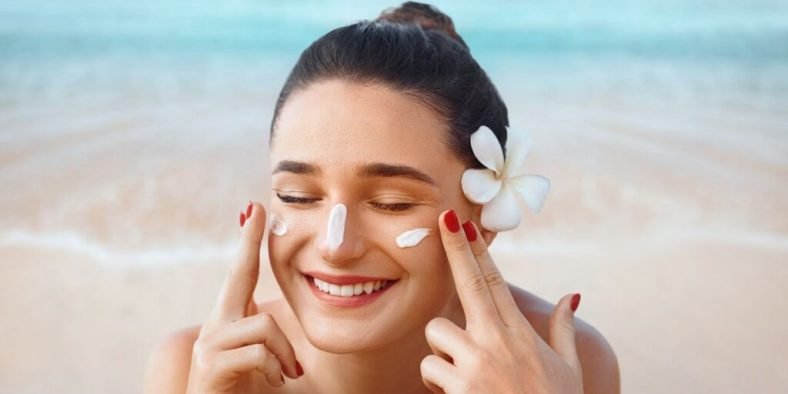
    Consider incorporating a high SPF sunscreen into your daily skincare routine to protect your skin from harmful UV rays. Sunscreen is essential in your 30s to prevent premature aging, dark spots, and skin cancer. Look for a broad-spectrum sunscreen with at least SPF 30 to shield your skin from both UVA and UVB rays. Apply sunscreen every morning, even on cloudy days, as UV rays can penetrate through clouds and cause damage to your skin.

    When choosing a sunscreen, opt for a lightweight formula that won’t clog your pores or leave a greasy residue. Consider a mineral sunscreen with ingredients like zinc oxide or titanium dioxide for sensitive skin types. Remember to reapply sunscreen every two hours, especially if you’re spending time outdoors or engaging in water activities.

    Incorporating sunscreen into your skincare routine is a simple yet crucial step to maintain healthy and youthful-looking skin in your 30s. Protecting your skin from the sun’s damaging effects will help preserve its elasticity and prevent the formation of fine lines and wrinkles.

    Retinol Treatments

    Protect your skin and combat signs of aging by incorporating retinol treatments into your skincare routine in your 30s. Retinol, a form of vitamin A, is a powerhouse ingredient known for its ability to improve skin texture, reduce the appearance of fine lines and wrinkles, and stimulate collagen production.

    When choosing a retinol treatment, opt for a product with a concentration suitable for your skin type, starting with a lower percentage to allow your skin to adjust before moving to higher strengths. Begin by using retinol treatments a few times a week to prevent irritation and gradually increase frequency as your skin builds tolerance.

    Remember to apply retinol products at night and always follow up with a broad-spectrum sunscreen during the day, as retinol can make your skin more sensitive to the sun. With consistent use, retinol treatments can help you achieve smoother, more youthful-looking skin in your 30s.

    Beauty & Personal care
    [product_category category=”beauty-personal-care” per_page=”10″ columns=”2″ orderby=”date” order=”rnde”]

  • How Do You Use Sunscreen to Prevent Premature Aging?

    How Do You Use Sunscreen to Prevent Premature Aging?

    Ensuring your skin is shielded from the sun’s harmful rays is key to preventing premature aging. But, did you know there’s more to using sunscreen effectively than just slathering it on? From selecting the right SPF to mastering proper application techniques, each step plays a crucial role in safeguarding your skin against the signs of aging. So, are you ready to discover the insider tips that will elevate your sun protection game and help you maintain a youthful appearance for years to come?

    Importance of Sunscreen in Anti-Aging

    Using sunscreen daily is essential in preventing premature aging and maintaining youthful skin. Sunscreen protects your skin from harmful UV rays that can cause wrinkles, fine lines, and dark spots over time. By incorporating sunscreen into your daily skincare routine, you create a barrier that shields your skin from the sun’s damaging effects. This simple step not only helps you look younger for longer but also reduces your risk of skin cancer.

    When you expose your skin to the sun without protection, it accelerates the aging process by breaking down collagen and elastin, which are vital for keeping your skin firm and elastic. Sunscreen acts as a shield, blocking these harmful UV rays and preserving your skin’s natural elasticity. By making sunscreen a non-negotiable part of your skincare regimen, you invest in the long-term health and appearance of your skin.

    Choosing the Right SPF for You

    When selecting the right SPF for your skin, consider factors such as your skin type, daily sun exposure, and any sensitivities you may have. For those with fair or sensitive skin, a higher SPF like 30 or above is recommended to provide better protection against harmful UV rays. If you have oily or acne-prone skin, opt for oil-free or non-comedogenic formulas to prevent breakouts. Dry skin types may benefit from SPF products that offer added moisturization.

    Your daily sun exposure also plays a crucial role in determining the appropriate SPF level. If you spend extended periods outdoors or live in a sunny climate, a higher SPF is advisable. However, if you mostly stay indoors or have limited sun exposure, a lower SPF may suffice for daily use.

    Lastly, consider any skin sensitivities or allergies you may have when choosing an SPF. Look for hypoallergenic or fragrance-free options if you have reactive skin to minimize the risk of irritation. By taking these factors into account, you can select the right SPF that suits your skin’s needs and helps prevent premature aging.

    Proper Application Techniques

    To ensure effective protection from the sun’s harmful rays, apply sunscreen generously and evenly to all exposed skin surfaces. Start by taking a sufficient amount of sunscreen, about a shot glass worth, and apply it at least 15 minutes before heading out into the sun.

    Be sure not to forget commonly overlooked areas like ears, lips, back of the neck, and the tops of your feet. When applying to your face, use a nickel-sized amount and gently massage it in, making sure to cover the entire area including the hairline. Don’t neglect your hands, as they’re often exposed to the sun.

    Remember to reapply sunscreen every two hours or immediately after swimming or sweating. Ensure you cover all areas again, especially if you’ve towel-dried your skin. By following these proper application techniques, you can maximize the effectiveness of your sunscreen and protect your skin from premature aging.

    Sunscreen Reapplication Tips

    For optimal protection against UV rays, remember to reapply sunscreen every two hours or after swimming or sweating. This ensures that your skin stays shielded from the sun’s harmful effects throughout the day.

    When reapplying, make sure to use enough sunscreen to cover all exposed areas adequately. A good rule of thumb is to use about a shot glass worth of sunscreen for your entire body. Don’t forget commonly overlooked areas like your ears, tops of your feet, and the back of your neck.

    If you’re wearing makeup, consider using a powder sunscreen for easy reapplication over your makeup. This can help maintain protection without disturbing your makeup too much. Additionally, wearing protective clothing, hats, and seeking shade during peak sun hours can complement your sunscreen reapplication efforts.

    Beauty & Personal care
    [product_category category=”beauty-personal-care” per_page=”10″ columns=”2″ orderby=”date” order=”rnde”]
  • How Often Should You Wash Your Hair for Healthy Growth?

    How Often Should You Wash Your Hair for Healthy Growth?

    Determining the optimal frequency for washing your hair can be a crucial factor in supporting its healthy growth. You might be surprised to learn that there isn’t a one-size-fits-all answer when it comes to how often you should shampoo. Factors like your hair type, scalp condition, and lifestyle all come into play. By understanding these elements and tailoring your washing routine accordingly, you can ensure that your hair remains nourished and flourishing. So, how often should you be sudsing up to promote your hair’s optimal health and growth potential?

    Importance of Proper Hair Washing Frequency

    Knowing the importance of washing your hair at the right frequency is crucial for maintaining healthy and vibrant hair. Overwashing can strip your hair of its natural oils, leading to dryness and potential damage. On the other hand, not washing your hair enough can result in a buildup of dirt, oils, and product residue, which can clog your hair follicles and hinder healthy growth.

    Finding the perfect balance for your hair type is essential. Factors like your hair texture, scalp condition, and lifestyle can all influence how often you should wash your hair. For example, if you have oily hair, you may need to wash it more frequently to keep it looking fresh and clean. Conversely, if you have dry or curly hair, washing too often can cause your hair to become even drier and more prone to breakage.

    Factors Influencing Hair Wash Frequency

    To determine how often you should wash your hair, consider factors such as your hair type, scalp condition, and daily activities. Your hair type plays a significant role in determining the frequency of washing. For example, if you have oily hair, you may need to wash it more frequently than someone with dry hair. Those with curly or textured hair may benefit from less frequent washing to prevent dryness. Additionally, your scalp condition is crucial. If you have dandruff or scalp issues, you may need specialized shampoos and a different washing routine.

    Daily activities also impact how often you should wash your hair. If you exercise frequently and sweat a lot, you may need to wash your hair more often to remove sweat and build-up. On the other hand, if you work in a less physically demanding environment, you may be able to wash your hair less frequently. Understanding these factors will help you determine the ideal washing frequency for healthy and vibrant hair.

    Recommended Hair Washing Frequency

    Considering your hair type, scalp condition, and daily activities, the recommended frequency for washing your hair can vary to maintain its health and vitality.

    If you have oily hair, washing it every other day or every two days may be suitable to prevent greasiness.

    For those with dry hair, washing it less frequently, such as two to three times a week, can help retain natural oils and moisture.

    Normal hair types typically benefit from being washed every two to three days to keep it clean without stripping away essential oils.

    If you lead an active lifestyle and sweat regularly, washing your hair more frequently, such as every other day, can help keep your scalp clean and prevent odor buildup.

    Ultimately, the key is to find a washing routine that works best for your hair type and lifestyle to ensure your hair remains healthy and vibrant.

    Tips for Maintaining Healthy Hair During Wash

    For healthier hair during washing, there are several key steps to consider. Pay attention to water temperature and choose a gentle shampoo suitable for your hair type. Using lukewarm water is ideal as hot water can strip your hair of natural oils, leading to dryness and breakage. Cold water may not effectively cleanse your scalp. When applying shampoo, focus on the scalp to remove dirt and excess oils while being gentle to avoid damaging the hair shaft. Massage the shampoo in circular motions to stimulate blood flow and promote hair growth.

    Rinse thoroughly to prevent product buildup, which can weigh down your hair. Consider using a conditioner to keep your hair moisturized and manageable. Opt for a conditioner that matches your hair type and apply it mainly to the ends to avoid greasiness at the roots. Pat your hair dry with a towel instead of rubbing it vigorously to prevent frizz and breakage. Following these tips can help maintain healthy hair during washing.

    Beauty & Personal care
    [product_category category=”beauty-personal-care” per_page=”10″ columns=”2″ orderby=”date” order=”rnde”]
  • How Do I Choose the Right Shampoo for My Hair Type?

    How Do I Choose the Right Shampoo for My Hair Type?

    When it comes to selecting the ideal shampoo for your hair type, the process can often seem overwhelming with the multitude of options available. However, by understanding your hair’s unique characteristics and needs, you can narrow down the choices to find the perfect match. From dry and curly to oily and straight hair, each type requires specific ingredients and formulations to maintain its health and luster. So, how exactly do you navigate this sea of shampoos to uncover the one that will work wonders for your locks?

    Identifying Your Hair Type

    To identify your hair type accurately, assess the natural texture and oiliness level of your hair. Understanding your hair’s texture is crucial as it determines how straight or curly your hair is. If your hair is straight, it tends to be oilier because the sebum from your scalp can easily travel down the shaft. In contrast, curly or coily hair may be drier as the natural oils have a harder time making their way down the twists and turns of the hair strands.

    Another aspect to consider is the thickness of your hair. Fine hair is more prone to oiliness and can appear limp quickly, while thick hair may require more hydration to prevent dryness. Additionally, the porosity of your hair, which is its ability to absorb and retain moisture, should also be taken into account. High porosity hair tends to absorb moisture quickly but may struggle to retain it, while low porosity hair may require more effort to allow moisture in.

    Understanding Shampoo Ingredients

    Understanding the ingredients in your shampoo is essential for selecting the right product for your specific hair type. When looking at the label, keep an eye out for key components that cater to your hair’s needs. For example, if you have dry hair, ingredients like coconut oil, shea butter, or argan oil can help moisturize and nourish your locks. On the other hand, if you have oily hair, seek out shampoos with clarifying ingredients such as tea tree oil or salicylic acid to help balance oil production.

    It’s also important to watch out for sulfates in your shampoo, as they can be harsh and strip your hair of its natural oils, leading to dryness and damage. Opt for sulfate-free formulas if you have colored or chemically-treated hair to maintain vibrancy and health. Additionally, if you have sensitive skin or scalp, look for shampoos with gentle ingredients like aloe vera or chamomile to prevent irritation.

    Choosing the Right Formula

    When selecting a shampoo, consider your specific hair type and needs to choose the right formula for optimal results. Different hair types require different formulations to address specific concerns. For oily hair, opt for clarifying shampoos that can help remove excess oil and build-up. Dry hair benefits from moisturizing formulas that hydrate and nourish strands. If you have colored hair, look for shampoos specifically designed to protect and prolong the vibrancy of your color. For those with sensitive scalps, choose gentle, sulfate-free options to avoid irritation.

    Thicker, coarser hair may benefit from creamy, hydrating shampoos that can provide extra moisture and manageability. Fine hair typically responds well to volumizing shampoos that add body and fullness without weighing it down. If you struggle with dandruff or scalp issues, consider anti-dandruff formulas that target flakes and soothe the scalp. By selecting the right formula tailored to your hair type, you can achieve healthier, more vibrant hair with each wash.

    Tips for Optimal Hair Health

    For healthier and stronger hair, incorporate these essential tips into your hair care routine.

    First, make sure to choose the right shampoo for your hair type. Using a clarifying shampoo once a week can help remove buildup and impurities, while hydrating shampoos are great for dry hair. Additionally, try not to wash your hair with hot water, as it can strip away natural oils and lead to dryness. Instead, opt for lukewarm or cool water to help maintain your hair’s moisture.

    Regular trims are crucial for maintaining healthy hair. Schedule trims every 6-8 weeks to prevent split ends and breakage, promoting overall hair health. When styling your hair, use heat protectant products before using hot tools to prevent heat damage. Limit the use of heat styling tools to prevent weakening your hair strands.

    Lastly, maintain a balanced diet rich in vitamins and minerals to support hair growth and strength. Incorporate foods like salmon, eggs, nuts, and leafy greens into your meals to ensure your hair is getting the nutrients it needs to thrive. By following these tips, you can achieve optimal hair health and keep your locks looking their best.

    Beauty & Personal care
    [product_category category=”beauty-personal-care” per_page=”10″ columns=”2″ orderby=”date” order=”rnde”]
  • How to Use Natural Grooming Products for Better Skin Health

    How to Use Natural Grooming Products for Better Skin Health

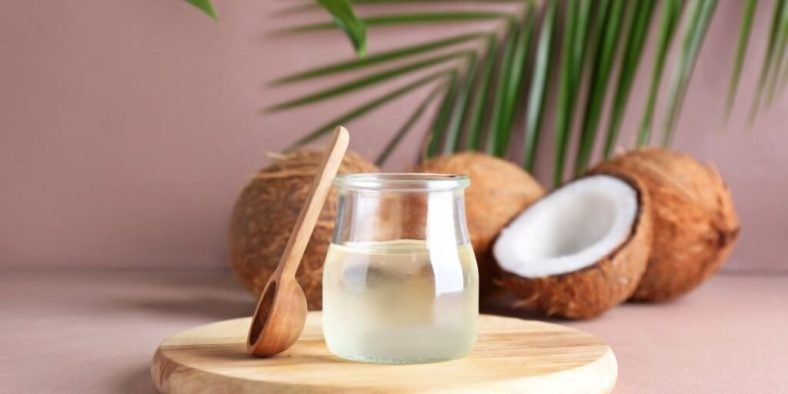
    When it comes to improving your skin health, utilizing natural grooming products can make a significant difference. By opting for ingredients like aloe vera, coconut oil, and shea butter, you can provide your skin with the nourishment it needs to thrive. However, the key lies not only in the products you choose but also in how you incorporate them into your daily routine. So, what are the essential steps and tips to make the most of these natural wonders for your skin? Stay tuned to uncover the secrets to a healthier, more radiant complexion.

    Benefits of Natural Grooming Products

    When you opt for natural grooming products, you’re choosing to nourish your skin with ingredients that promote overall health and well-being. These products are often free from harmful chemicals and synthetic fragrances that can irritate your skin. Natural ingredients like aloe vera, coconut oil, and shea butter are known for their moisturizing properties, keeping your skin hydrated and soft. By using natural grooming products, you’re reducing the risk of allergic reactions and skin sensitivities that may arise from harsh chemicals found in conventional products.

    Additionally, natural grooming products are environmentally friendly as they’re often produced using sustainable practices and biodegradable packaging. Choosing these products not only benefits your skin but also contributes to a healthier planet. Many natural grooming products are cruelty-free, meaning they aren’t tested on animals, aligning with ethical standards.

    Choosing the Right Ingredients

    To select the most suitable natural grooming products, carefully consider the ingredients listed on the labels. Opt for products that contain natural ingredients like aloe vera, tea tree oil, coconut oil, shea butter, and green tea extract. These ingredients are known for their nourishing, hydrating, and soothing properties, ideal for improving skin health.

    Avoid products with harsh chemicals such as parabens, sulfates, phthalates, and synthetic fragrances. These ingredients can irritate the skin, strip it of its natural oils, and cause long-term damage. Instead, look for products that are free from these harmful additives and are formulated with organic and plant-based ingredients.

    When choosing natural grooming products, pay attention to your skin type and specific concerns. For instance, if you have sensitive skin, opt for products with calming ingredients like chamomile or oat extract. If you’re looking to target acne or blemishes, consider products with antibacterial ingredients such as witch hazel or lavender oil. By selecting the right ingredients for your skin’s needs, you can effectively enhance your skin health with natural grooming products.

    Incorporating Natural Products Daily

    Incorporate natural grooming products into your daily skincare routine to promote healthier and more radiant skin. Begin your day by cleansing your face with a gentle natural cleanser suited to your skin type. Follow up with a natural toner to balance your skin’s pH levels. Moisturize with a natural facial moisturizer rich in hydrating ingredients like aloe vera or hyaluronic acid. Don’t forget to apply a natural sunscreen to protect your skin from harmful UV rays.

    In the evening, repeat the cleansing and toning routine to remove impurities accumulated throughout the day. Consider using a natural exfoliator a few times a week to slough off dead skin cells and reveal a brighter complexion. Before bed, apply a natural night cream to nourish your skin while you sleep.

    Incorporating natural grooming products daily can help maintain your skin’s health and vitality. Consistency is key, so make it a habit to prioritize natural products in your skincare regimen for glowing, healthy skin.

    Tips for Healthy and Glowing Skin

    For healthier and glowing skin, prioritize a balanced diet rich in fruits and vegetables. These foods are packed with essential vitamins, minerals, and antioxidants that promote skin health from the inside out. Hydration is key, so remember to drink plenty of water throughout the day to keep your skin hydrated and supple.

    In addition to a nutritious diet, establish a consistent skincare routine tailored to your skin type. Cleansing, toning, and moisturizing daily can help maintain a healthy complexion. Exfoliating regularly can also help remove dead skin cells and reveal brighter, smoother skin.

    Protect your skin from the sun’s harmful rays by using sunscreen every day, even on cloudy days. Sunscreen helps prevent premature aging, sunburns, and reduces the risk of skin cancer.

    Getting an adequate amount of sleep is crucial for skin regeneration and repair. Aim for 7-8 hours of quality sleep each night to wake up with refreshed and rejuvenated skin.

    Lastly, manage stress levels through relaxation techniques like deep breathing, yoga, or meditation. High stress levels can contribute to skin issues, so taking time to unwind is beneficial for both your skin and overall well-being.

    Beauty & Personal care
    [product_category category=”beauty-personal-care” per_page=”10″ columns=”2″ orderby=”date” order=”rnde”]

  • The Best Natural Ingredients for Healthy, Shiny Hair

    The Best Natural Ingredients for Healthy, Shiny Hair

    As you strive for healthy, shiny hair, the quest for the perfect natural ingredients can be overwhelming. However, by exploring the benefits of coconut oil, avocado, honey, and aloe vera, you are on the right path to discovering the key to vibrant locks. Each ingredient brings its unique nourishing properties to the table, but which one will emerge as the ultimate champion in your hair care routine? Let’s uncover the secrets to luscious and radiant hair that will have everyone asking for your secret.

    Benefits of Coconut Oil

    To enhance the health and appearance of your hair, consider incorporating the numerous benefits of coconut oil into your hair care routine. Coconut oil is a versatile natural ingredient that can work wonders for your hair.

    First and foremost, coconut oil is a fantastic moisturizer. It penetrates deep into the hair shaft, keeping your strands hydrated and reducing breakage. Additionally, coconut oil contains lauric acid, which has antimicrobial properties that can help combat scalp issues like dandruff.

    Not only does coconut oil moisturize and nourish your hair, but it also promotes hair growth. By massaging coconut oil into your scalp, you can improve blood circulation, which in turn stimulates hair follicles and encourages growth. Furthermore, coconut oil can act as a natural detangler, making it easier to manage and style your hair.

    Incorporating coconut oil into your hair care routine can lead to stronger, healthier, and more luscious locks. Whether used as a pre-shampoo treatment, a leave-in conditioner, or a styling product, the benefits of coconut oil are bound to leave your hair looking and feeling fabulous.

    Avocado for Hair Health

    Consider adding avocado to your hair care routine to further enhance the health and vitality of your hair. Avocado is a powerhouse of nutrients that can work wonders for your hair. Rich in vitamins E, A, and D, as well as minerals like potassium and magnesium, avocado helps nourish and strengthen your hair from root to tip.

    The natural oils present in avocado are excellent for moisturizing and rejuvenating dry, damaged hair. They penetrate the hair shaft, providing deep hydration and improving elasticity, which can help prevent breakage and split ends. Avocado also contains antioxidants that can help protect your hair from environmental damage and promote a healthy scalp.

    Using avocado in hair masks or as a hair oil can help improve the overall condition of your hair, leaving it soft, shiny, and more manageable. Whether you have curly, straight, or textured hair, incorporating avocado into your hair care routine can lead to healthier, more luscious locks.

    Nourish With Honey

    Nourish your hair with honey’s natural benefits to promote shine and strength. Honey is a versatile ingredient that can do wonders for your hair. Its humectant properties help lock in moisture, making your hair look healthy and shiny. By deeply nourishing the hair follicles, honey strengthens the hair from root to tip, reducing breakage and split ends.

    When used as a hair mask or conditioner, honey can help improve the overall health of your hair. It contains antioxidants and nutrients that nourish the scalp, promoting hair growth and preventing damage. The antibacterial properties of honey also help keep the scalp clean and free from dandruff.

    To make a simple honey hair mask, mix honey with coconut oil or yogurt and apply it to your hair from roots to ends. Leave it on for about 20-30 minutes before rinsing it out with lukewarm water. Incorporating honey into your hair care routine can lead to softer, smoother, and more lustrous hair.

    Shine With Aloe Vera

    Enhance your hair’s radiance with the natural goodness of aloe vera. Aloe vera is a versatile plant known for its moisturizing and soothing properties, making it a fantastic ingredient to add shine to your hair. The gel-like substance found inside aloe vera leaves is rich in vitamins, minerals, and enzymes that nourish and strengthen your hair from root to tip.

    When used as a hair treatment, aloe vera helps to seal moisture into the hair cuticle, leaving your locks looking glossy and healthy. Its lightweight nature ensures that it won’t weigh your hair down or leave it feeling greasy. Simply apply aloe vera gel directly to your scalp and hair, leave it on for about 30 minutes, and then rinse thoroughly for a natural shine boost.

    Regular use of aloe vera can also help soothe an irritated scalp, reduce dandruff, and promote hair growth, making it a superb all-around ingredient for maintaining lustrous and vibrant hair.

    Beauty & Personal care
    [product_category category=”beauty-personal-care” per_page=”10″ columns=”2″ orderby=”date” order=”rnde”]
  • A Comprehensive Guide to Exfoliating Your Skin Safely

    A Comprehensive Guide to Exfoliating Your Skin Safely

    When it comes to exfoliating your skin safely, understanding the nuances of different exfoliants and how they interact with your skin is crucial. From physical scrubs to chemical peels, each method has its own set of benefits and considerations. Knowing which type suits your skin type and concerns can make a significant difference in the outcome. But, that’s just the beginning. To truly master the art of safe exfoliation, you need to delve into the realm of frequency, best practices, and customizing your routine. So, are you ready to unlock the secrets to flawless exfoliation and unveil your best skin yet?

    Types of Exfoliants

    When choosing exfoliants for your skincare routine, consider various types that cater to different skin needs.

    Physical exfoliants, like scrubs with small particles, work by manually removing dead skin cells. These are great for oily or combination skin but might be too harsh for sensitive skin.

    Chemical exfoliants, such as AHAs (alpha hydroxy acids) and BHAs (beta hydroxy acids), are gentler and dissolve dead skin cells. AHAs are ideal for dry skin, while BHAs are better for oily, acne-prone skin due to their ability to penetrate oil.

    Enzyme exfoliants use natural enzymes from fruits like papaya or pineapple to exfoliate the skin gently, making them suitable for sensitive skin types.

    Combination exfoliants blend different types, offering a more customized approach. It’s crucial to choose an exfoliant that aligns with your skin type and concerns to achieve the best results without causing irritation. Remember, always patch test new products and consult with a dermatologist if you have any doubts.

    Frequency of Exfoliation

    To maintain healthy skin, it’s essential to determine the appropriate frequency for exfoliating based on your skin type and sensitivity. Exfoliating too often can lead to irritation and dryness, while not exfoliating enough may result in a buildup of dead skin cells and clogged pores.

    If you have sensitive skin, it’s best to exfoliate once or twice a week with a gentle exfoliant to avoid causing inflammation or redness. For normal or combination skin, exfoliating 2-3 times a week can help keep your skin smooth and radiant. If you have oily skin, you may benefit from exfoliating more frequently, around 3-4 times a week, to control excess oil and prevent breakouts.

    However, always listen to your skin – if it becomes red, flaky, or irritated, dial back on the exfoliation frequency to give your skin time to recover. Remember, finding the right balance is key to achieving a healthy glow without compromising your skin’s barrier.

    Best Practices for Safe Exfoliation

    Finding the right exfoliation method for your skin type is key to ensuring a safe and effective skincare routine. To exfoliate safely, begin by choosing a gentle exfoliant suitable for your skin’s needs. Look for products with round beads or chemical exfoliants like AHAs or BHAs, avoiding harsh scrubs that can cause micro-tears in your skin.

    When exfoliating, be gentle and use light pressure to prevent irritation. Limit exfoliation to 1-3 times a week to avoid over-exfoliation, which can strip your skin’s natural oils and lead to sensitivity. Always follow up with a moisturizer to replenish hydration and protect your skin’s barrier.

    Additionally, remember to wear sunscreen daily, especially after exfoliating, as your skin may be more sensitive to UV rays. By following these best practices, you can safely exfoliate your skin, revealing a smoother, brighter complexion.

    Tailoring Exfoliation to Your Skin Type

    For optimal results, match your exfoliation method to the specific needs of your skin type. If you have sensitive skin, opt for gentle exfoliants like oatmeal or enzymes to avoid irritation. Those with oily or acne-prone skin can benefit from salicylic acid or benzoyl peroxide to unclog pores and reduce breakouts. Dry skin types should consider using a hydrating exfoliator such as lactic acid or a gentle scrub with moisturizing ingredients to prevent further dryness.

    Combination skin requires a balanced approach, using different exfoliants on various areas of the face. Focus on salicylic acid for oily zones and a milder exfoliant for dry areas. Normal skin can tolerate a range of exfoliation methods, from chemical exfoliants like glycolic acid to physical exfoliators such as brushes or scrubs. Remember to start slow and gradually increase the frequency to avoid over-exfoliation, no matter your skin type.

    Beauty & Personal care
    [product_category category=”beauty-personal-care” per_page=”10″ columns=”2″ orderby=”date” order=”rnde”]
  • The Benefits of Oil Treatments for Nourishing Your Hair

    The Benefits of Oil Treatments for Nourishing Your Hair

    When it comes to nourishing your hair, oil treatments can be a game-changer. Imagine a simple step that can boost hydration, strengthen your hair from the roots, and add a noticeable shine to your locks. The benefits of incorporating oils into your hair care routine go beyond just the surface. By delving deeper into the world of oil treatments, you might uncover a secret to achieving the healthy and vibrant hair you’ve always desired.

    Hydration and Moisture Boost

    To boost hydration and moisture in your hair, consider incorporating oil treatments into your hair care routine. Oils like coconut, argan, and jojoba are rich in nutrients that can help nourish and rejuvenate your hair. These treatments work by penetrating the hair shaft and sealing in moisture, leaving your locks feeling soft and looking shiny.

    When applying oil treatments, make sure to focus on the mid-lengths and ends of your hair, as these areas tend to be drier. You can either apply the oil directly to your hair or mix it into your conditioner for added hydration. Leave the treatment on for at least 30 minutes, or for a more intense treatment, wrap your hair in a warm towel and leave it on overnight.

    Regular oil treatments can’t only improve the overall hydration of your hair but also help reduce frizz and prevent breakage. By incorporating these treatments into your routine, you can achieve healthier, more moisturized hair that looks and feels great.

    Strengthens Hair Follicles

    Boost your hair’s strength and vitality by focusing on strengthening the hair follicles. Hair follicles play a crucial role in the overall health and appearance of your hair. By incorporating oil treatments into your hair care routine, you can provide essential nutrients that nourish and fortify the follicles, promoting stronger and healthier hair.

    Regular oil treatments help to improve blood circulation to the scalp, delivering vital nutrients directly to the hair follicles. This increased blood flow stimulates the follicles, promoting hair growth and preventing breakage. Stronger hair follicles are less prone to damage, resulting in thicker, fuller hair with improved resilience against external stressors.

    Oils such as coconut oil, argan oil, and castor oil are known for their ability to strengthen hair follicles. These oils contain vitamins, minerals, and fatty acids that penetrate the follicles, nourishing them from within. By regularly massaging these oils into your scalp, you can effectively strengthen your hair follicles and promote healthier, more resilient hair.

    Adds Luster and Shine

    Enhance your hair’s appearance with a radiant luster and shine using nourishing oil treatments. Oil treatments work wonders in adding a beautiful sheen to your locks, making them look healthy and vibrant. When your hair lacks shine, it can appear dull and lifeless. By incorporating oil treatments into your hair care routine, you can combat this issue and achieve glossy, luminous hair.

    The oils penetrate the hair shaft, moisturizing and smoothing the cuticles to reflect light better. This process helps to create a sleek surface that enhances the natural shine of your hair. Additionally, the nourishing properties of oils like coconut, argan, or jojoba oil can help repair damage and prevent further breakage, contributing to a glossy finish. Regularly treating your hair with oils not only adds luster but also improves overall hair health, making it more manageable and less prone to frizz.

    Say goodbye to dull hair and hello to a glossy, head-turning mane with the power of nourishing oil treatments.

    Improves Scalp Health

    Revitalize your scalp health by incorporating nourishing oil treatments, ensuring a strong foundation for healthy and vibrant hair. Oil treatments help to improve scalp health by moisturizing and nourishing the skin on your head.

    A healthy scalp is essential for promoting hair growth and preventing issues like dandruff and dryness. When you massage oil into your scalp, it helps to increase blood circulation, which in turn can stimulate hair follicles and encourage new growth.

    Additionally, oil treatments can help balance the natural oils on your scalp, preventing excess oil production that can lead to greasiness. By keeping your scalp moisturized and balanced, you create an optimal environment for your hair to thrive.

    Regular oil treatments can also soothe any irritation or inflammation on the scalp, providing relief for conditions like itchiness or sensitivity. Overall, improving your scalp health through oil treatments is a simple yet effective way to support the overall health and appearance of your hair.

    Beauty & Personal care
    [product_category category=”beauty-personal-care” per_page=”10″ columns=”2″ orderby=”date” order=”rnde”]

  • Best Practices for Styling Your Hair Without Damaging It

    Best Practices for Styling Your Hair Without Damaging It

    When it comes to styling your hair without causing damage, there’s a delicate balance between achieving the look you desire and maintaining your hair’s health. By incorporating some key practices into your styling routine, you can strike that balance effectively. These practices not only protect your hair from heat damage but also promote its strength and natural beauty. So, are you ready to discover the secrets to styling your hair flawlessly without compromising its health and vitality? Let’s explore the best practices that will revolutionize your hair styling game.

    Heat Protectants and Their Importance

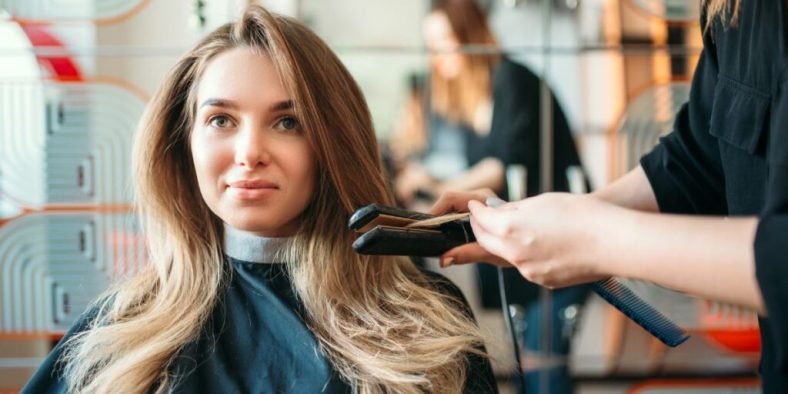
    To prevent damage from heat styling tools, apply a quality heat protectant spray before using any heat on your hair. This simple step creates a barrier between your hair and the high temperatures, reducing the risk of heat-induced harm. When selecting a heat protectant, opt for one that suits your hair type and offers adequate protection. Spritz the product evenly throughout your hair, ensuring complete coverage from roots to ends.

    Before reaching for your blow dryer, flat iron, or curling wand, take a moment to shield your hair with the protectant spray. By doing so, you help minimize the negative impact of heat styling and maintain healthier locks in the long run. Remember, heat protectants work best when applied to clean, damp hair before any heat styling begins. Don’t underestimate the power of this extra layer of defense for your precious strands.

    Prioritizing the use of a heat protectant is a small change that can make a big difference in the health and appearance of your hair. Make it a non-negotiable step in your styling routine to safeguard your hair from the potential harm of heat tools.

    Gentle Hair Brushing Techniques

    For healthier and smoother hair, adopt gentle hair brushing techniques that minimize breakage and damage. Start by using a wide-toothed comb or a brush with soft bristles to detangle your hair when it’s wet. Wet hair is more prone to breakage, so be patient and gentle to avoid causing unnecessary damage. Begin brushing from the ends and work your way up to the roots to prevent tugging on knots and causing breakage.

    Avoid brushing your hair roughly or vigorously, as this can lead to hair breakage and split ends. Instead, use a gentle hand and smooth strokes to work through any tangles. Additionally, consider brushing your hair less frequently to reduce the stress on your hair strands.

    Remember to always be mindful of the condition of your hair and adjust your brushing technique accordingly. By incorporating these gentle hair brushing techniques into your routine, you can help maintain the health and integrity of your hair while keeping it looking its best.

    Embracing Natural Hair Styling Methods

    Embrace natural hair styling methods to enhance your hair’s health and beauty. Opting for natural styling techniques can help maintain your hair’s natural texture and prevent damage caused by heat and chemicals. Embracing your hair’s natural state not only promotes its overall health but also allows you to flaunt your unique hair characteristics.

    When styling your hair naturally, consider air-drying instead of using heat styling tools like blow dryers or straighteners. This simple switch can significantly reduce heat-related damage and help your hair retain moisture. Additionally, try embracing your natural hair texture by using styling methods that work with your hair’s natural pattern, such as twist-outs or braid-outs for curly hair.

    Natural hair styling methods also include protective styles like braids, twists, and buns, which help shield your hair from environmental stressors and manipulation damage. By incorporating these techniques into your styling routine, you can maintain healthy, beautiful hair while minimizing the risk of damage.

    Choosing Hair-Friendly Styling Products

    Consider selecting hair-friendly styling products that prioritize nourishing ingredients to maintain your hair’s health and vitality. Look for products that are free of sulfates, parabens, and alcohol, as these can strip your hair of its natural oils and cause dryness and damage. Opt for products enriched with natural oils like argan, coconut, or jojoba oil, which can help nourish and hydrate your hair while providing a protective barrier against heat styling. Additionally, choose styling products that contain vitamins and antioxidants to promote hair strength and resilience.

    When selecting products, pay attention to labels that indicate they’re specifically formulated for your hair type, whether it’s curly, straight, fine, or thick. Using the right products tailored to your hair’s unique needs can help enhance its natural beauty without compromising its health. Remember to read reviews and seek recommendations from hairstylists or friends with similar hair types to find products that have worked well for others. By making informed choices and prioritizing nourishing ingredients, you can style your hair effectively while keeping it healthy and damage-free.

    Beauty & Personal care
    [product_category category=”beauty-personal-care” per_page=”10″ columns=”2″ orderby=”date” order=”rnde”]