
Category: Beauty

  • How Can I Repair Chapped Lips Quickly?

    How Can I Repair Chapped Lips Quickly?

    If you find yourself battling with chapped lips, you are not alone. The discomfort and unsightliness can be frustrating, but fear not, as there are effective ways to swiftly remedy this common issue. From simple home remedies to specialized lip products, a variety of solutions exist to help you achieve soft, smooth lips in no time. So, how can you repair chapped lips quickly and get back to feeling your best?

    Causes of Chapped Lips

    Chapped lips commonly result from dry and cold weather conditions. When the air lacks moisture, your lips can become dehydrated, leading to dryness, flaking, and cracking. Windy weather can exacerbate this issue by further stripping away the natural oils that keep your lips hydrated.

    Exposure to sunlight without protection can also contribute to chapped lips, as UV rays can damage the delicate skin on your lips. Additionally, licking your lips frequently may seem like a quick fix, but it actually worsens the problem. Saliva evaporates quickly, leaving your lips even drier than before.

    Dehydration, whether due to not drinking enough water or certain medications that have a drying effect, can also be a culprit. Furthermore, some people are more prone to chapped lips due to underlying conditions like eczema or allergies. Understanding these causes can help you take preventive measures to keep your lips soft and healthy.

    Quick At-Home Remedies

    To alleviate dryness and discomfort, consider trying these quick at-home remedies for your lips. First, exfoliate your lips gently using a homemade scrub made of honey and sugar. This will help remove dead skin cells and promote smoother lips. After exfoliating, apply a thick layer of honey or coconut oil to moisturize and soothe your lips. These natural ingredients can help restore moisture and prevent further chapping.

    Another effective remedy is to use aloe vera gel, known for its healing properties. Apply a small amount of aloe vera gel to your lips and leave it on for a few minutes before gently wiping it off with a damp cloth. This can help reduce inflammation and provide relief to chapped lips.

    Furthermore, staying hydrated by drinking plenty of water throughout the day is crucial for maintaining soft and healthy lips. Dehydration can exacerbate dryness, so make sure to keep yourself hydrated. These quick at-home remedies can help repair chapped lips and restore them to a smoother, more comfortable state.

    Best Lip Balms for Repair

    For optimal lip repair, consider incorporating high-quality lip balms into your skincare routine. When choosing a lip balm to repair chapped lips, look for products with nourishing ingredients like shea butter, coconut oil, beeswax, and vitamin E. These ingredients help to moisturize, soothe, and protect your lips, promoting faster healing. Opt for lip balms that are free of harsh chemicals and fragrances, as these can further irritate chapped lips.

    Some popular lip balms known for their repairing properties include Burt’s Bees Beeswax Lip Balm, Aquaphor Lip Repair, and Carmex Classic Lip Balm. These balms provide intense hydration and create a protective barrier to prevent further moisture loss. Additionally, they’re easy to apply and provide long-lasting relief for dry, cracked lips.

    Remember to apply your chosen lip balm frequently throughout the day, especially after eating, drinking, or being exposed to harsh weather conditions. Consistent use of a nourishing lip balm will help repair your chapped lips quickly and keep them healthy and moisturized.

    Daily Lip Care Routine

    Consider incorporating a daily lip care routine into your skincare regimen to maintain soft, hydrated lips. Start by gently exfoliating your lips once or twice a week using a homemade scrub of sugar and honey or a soft toothbrush. This helps remove dead skin cells and encourages better product absorption. Follow this up by applying a nourishing lip balm containing ingredients like shea butter, coconut oil, or vitamin E daily, especially before bed.

    Throughout the day, remember to stay hydrated by drinking an adequate amount of water to prevent lips from drying out. If you’re going to be exposed to the sun, make sure to use a lip balm with SPF protection to shield your lips from harmful UV rays. Avoid licking your lips as saliva can actually dry them out further due to its enzymes.

    Consistency is key in maintaining healthy lips, so make this daily routine a habit to enjoy soft, smooth lips year-round.

    Beauty & Personal care
    [product_category category=”beauty-personal-care” per_page=”10″ columns=”2″ orderby=”date” order=”rnde”]

  • How to Incorporate Face Serums Into Your Skincare Routine

    How to Incorporate Face Serums Into Your Skincare Routine

    To seamlessly integrate face serums into your skincare regimen, it’s crucial to understand the specific needs of your skin and select the right serum accordingly. But how do you determine which serum suits your skin best? By examining factors such as your skin type, concerns, and goals, you can make an informed decision and tailor your routine to maximize the benefits of this potent skincare product. So, what steps should you follow to ensure you’re making the most of your face serum? Let’s explore the process together and unveil the secrets to achieving radiant, healthy skin through effective serum incorporation.

    Skin Type Assessment

    Assess your skin type by observing its natural oils and overall texture. If your skin feels tight and dry, you likely have dry skin. Oily skin tends to feel greasy and may have larger pores. Combination skin is characterized by an oily T-zone but dryness in other areas. Normal skin typically feels balanced and not too oily or dry. Sensitive skin can react easily to products with redness or irritation.

    Understanding your skin type is crucial when incorporating face serums into your skincare routine. For dry skin, look for serums with hydrating ingredients like hyaluronic acid. If you have oily skin, opt for lightweight serums with ingredients such as salicylic acid to control oil production. Those with combination skin can use different serums on specific areas. Normal skin types can benefit from serums that maintain overall skin health. If you have sensitive skin, choose serums with gentle, soothing ingredients like chamomile or green tea extract.

    Choosing the Right Serum

    When selecting a serum for your skincare routine, consider the specific needs of your skin type to ensure optimal results. Different serums cater to various skin concerns, so identifying your skin type is crucial in choosing the right one.

    For oily or acne-prone skin, look for serums with ingredients like salicylic acid or niacinamide to control oil production and prevent breakouts.

    Dry skin types benefit from serums containing hyaluronic acid or glycerin to provide intense hydration and lock in moisture.

    Sensitive skin requires gentle serums free of fragrances and harsh chemicals, such as those with soothing ingredients like chamomile or green tea extract.

    Combination skin can benefit from serums that offer a balance of hydration and oil control, such as serums with a lightweight consistency.

    Application Tips and Techniques

    To ensure maximum effectiveness, apply your face serum using gentle, upward motions to promote better absorption into the skin. After cleansing and toning your face, dispense a small amount of serum onto your fingertips. Gently pat the serum onto your skin, starting from the center of your face and moving outwards. Avoid rubbing the serum vigorously, as this can cause unnecessary friction and irritation.

    When applying the serum to delicate areas such as around the eyes, use your ring finger to lightly tap the product into the skin. This helps prevent tugging on the delicate skin in that area. Remember to follow the specific instructions provided by the serum manufacturer, as some serums may require a slightly different application technique.

    Allow the serum to fully absorb into your skin before applying any additional products. This will ensure that the active ingredients in the serum have enough time to penetrate the skin and work effectively. By incorporating these application tips and techniques into your skincare routine, you can maximize the benefits of your face serum.

    Incorporating Serums in Your Routine

    Consider integrating face serums seamlessly into your daily skincare regimen for enhanced benefits and results. To start, cleanse your face thoroughly before applying a small amount of serum. Serums are typically lightweight and designed to penetrate deeply into the skin, making them most effective when applied to clean, dry skin.

    After cleansing, apply a pea-sized amount of serum onto your fingertips and gently massage it into your skin using upward motions. Allow the serum to fully absorb before moving on to the next step in your routine.

    For optimal results, incorporate serums into your skincare routine both in the morning and at night. In the morning, apply the serum before your moisturizer and sunscreen to protect your skin throughout the day. At night, use the serum before your night cream to aid in skin repair and rejuvenation while you sleep.

    Beauty & Personal care
    [product_category category=”beauty-personal-care” per_page=”10″ columns=”2″ orderby=”date” order=”rnde”]

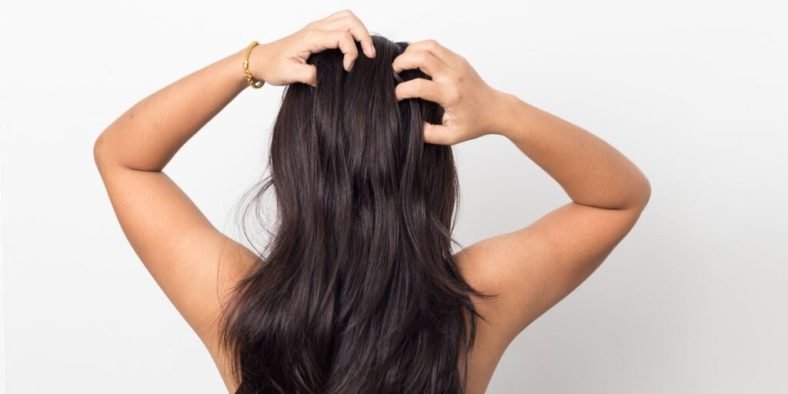
  • How Can You Treat Oily Scalp and Dry Ends?

    How Can You Treat Oily Scalp and Dry Ends?

    If you’re struggling with an oily scalp and dry ends, finding the right balance can be tricky. Understanding the root causes of this common hair issue is crucial to tailoring an effective treatment plan. By making simple adjustments to your hair care routine and product selection, you can help restore harmony to your scalp and ends. Let’s explore how you can address this imbalance and achieve healthier hair from root to tip.

    Understanding the Root Causes

    To understand the root causes of an oily scalp and dry ends, assess your hair care routine and lifestyle habits for potential triggers. Factors such as using harsh shampoos, overwashing your hair, or applying too much conditioner to the ends can contribute to this issue. It’s essential to strike a balance in your hair care routine to prevent excess oil production on the scalp while ensuring your ends receive adequate moisture.

    Additionally, consider how often you use heat styling tools like straighteners or curling irons. Excessive heat can strip your hair of its natural oils, leading to dryness at the ends. Aim to minimize heat styling and always use a heat protectant spray before applying any heat to your hair.

    Furthermore, your diet and hydration levels can also impact the condition of your scalp and hair. Consuming enough water and incorporating foods rich in vitamins and minerals can promote healthy hair growth and scalp balance. Take note of these aspects to pinpoint potential causes of your oily scalp and dry ends, paving the way for effective treatment strategies.

    Tailoring Your Hair Care Routine

    Revamp your hair care routine to address the issues of oily scalp and dry ends effectively. Start by washing your hair with a clarifying shampoo to remove excess oil and buildup from the scalp. Focus the shampoo on the roots and avoid applying it to the ends, as this can further dry them out. Instead of washing your hair daily, try to space out your washes to every other day or every few days to prevent stripping the scalp of its natural oils excessively.

    When conditioning your hair, opt for a lightweight conditioner and concentrate on the ends to provide them with the moisture they need. Avoid applying conditioner to the scalp to prevent weighing down your roots and exacerbating oiliness. Incorporate a hydrating hair mask into your routine once a week to nourish and repair the dry ends.

    Additionally, consider using dry shampoo in between washes to absorb excess oil at the roots without drying out the ends further. By customizing your hair care routine in this way, you can effectively manage both oily scalp and dry ends.

    Choosing the Right Products

    If you’re looking to effectively address oily scalp and dry ends, selecting the appropriate hair care products is key. When choosing products, opt for a balancing shampoo that targets excess oil on the scalp without stripping moisture from the ends. Look for ingredients like tea tree oil or salicylic acid to help control oil production.

    For the ends of your hair, consider using a hydrating conditioner or a hair mask rich in nourishing oils such as argan or coconut oil. These will help combat dryness and split ends, restoring moisture and promoting overall hair health.

    When selecting styling products, go for lightweight options that won’t weigh down your hair or exacerbate oiliness at the roots. Avoid heavy serums or creams near the scalp, focusing these products on the ends instead. Dry shampoo can also be a lifesaver for refreshing oily roots between washes.

    Lifestyle Changes for Hair Health

    Consider incorporating healthier habits into your daily routine to improve the overall health of your hair. Start by staying hydrated; drinking an adequate amount of water helps keep your scalp and hair follicles hydrated. Eating a balanced diet rich in vitamins and minerals can also promote hair health. Foods high in omega-3 fatty acids, like salmon and chia seeds, can help nourish your hair from the inside out.

    Protect your hair from damage by using heat styling tools less frequently, and when you do use them, apply a heat protectant spray. Avoid tight hairstyles that pull on your scalp, causing stress to your hair follicles. Regularly washing your hair with a gentle shampoo and conditioner suitable for your hair type is essential.

    Reduce stress levels through activities like yoga, meditation, or spending time outdoors. Stress can contribute to hair issues, so finding ways to relax is crucial. Getting an adequate amount of sleep each night allows your body to repair and regenerate, promoting healthier hair. By making these lifestyle changes, you can improve the overall health of your hair and maintain a balanced scalp.

    Beauty & Personal care
    [product_category category=”beauty-personal-care” per_page=”10″ columns=”2″ orderby=”date” order=”rnde”]
  • How Can I Prevent Hair Breakage and Split Ends?

    How Can I Prevent Hair Breakage and Split Ends?

    To prevent hair breakage and split ends, you must be mindful of the practices you incorporate into your hair care routine. Implementing simple yet effective techniques can make a significant difference in the health and strength of your hair. From the products you use to the way you handle and style your hair, every step plays a crucial role in preventing damage. By understanding these key strategies, you can take proactive measures to safeguard your hair from breakage and split ends, ensuring it remains healthy and vibrant.

    Proper Hair Care Routine

    To maintain healthy hair and reduce breakage and split ends, establish a consistent hair care routine. Begin by choosing shampoos and conditioners suitable for your hair type. Washing your hair regularly, but not excessively, is crucial. Overwashing can strip your hair of its natural oils, leading to dryness and breakage. When washing, focus on massaging your scalp to promote blood circulation, which aids in hair growth. After washing, gently towel-dry your hair instead of rubbing vigorously to prevent unnecessary stress on the strands.

    Incorporate a weekly deep conditioning treatment into your routine to keep your hair moisturized and nourished. Trim your hair every 6-8 weeks to get rid of split ends and prevent them from traveling up the hair shaft. When styling your hair, be gentle to avoid unnecessary tension on the strands. Avoid using heat styling tools excessively, as heat can damage your hair. Additionally, protect your hair from environmental factors like UV rays and pollution by using products with UV protection or wearing a hat when outdoors.

    Protective Styling Techniques

    Incorporating protective styling techniques into your hair care routine can help minimize hair breakage and split ends. Opt for hairstyles that keep your ends tucked away and protected, such as braids, twists, buns, or updos. These styles prevent friction and manipulation that can lead to breakage. When wearing these protective styles, ensure they aren’t too tight, as this can cause tension and damage to your hairline.

    Additionally, consider using accessories like silk or satin scarves, bonnets, or pillowcases to reduce friction while you sleep. These smooth materials help maintain moisture levels in your hair and prevent it from drying out, which can contribute to split ends.

    Avoid over-manipulating your hair and limit the use of heat styling tools. Embrace your natural texture and give your hair a break from constant styling. By implementing these protective styling techniques, you can significantly reduce the risk of hair breakage and split ends, promoting healthier and stronger hair.

    Regular Trims and Maintenance

    When it comes to maintaining healthy hair and preventing breakage and split ends, prioritizing regular trims and maintenance is key. Getting your hair trimmed every 6-8 weeks helps remove any damaged or split ends, preventing them from traveling up the hair shaft and causing further breakage. Regular trims also promote healthy hair growth by eliminating dry, brittle ends that can hinder the growth process.

    Alongside trims, incorporating a consistent maintenance routine is crucial. This includes using appropriate hair care products suited for your hair type, such as moisturizing shampoos and conditioners, and avoiding excessive heat styling that can weaken the hair strands. Additionally, gently detangling your hair with a wide-tooth comb and minimizing the use of tight hair accessories can also contribute to preventing breakage.

    Nutrition and Hydration Importance

    Prioritizing a diet rich in essential nutrients and staying hydrated is crucial for maintaining healthy hair and preventing breakage and split ends. Your hair’s health is closely linked to your overall nutrition. Make sure to include foods rich in vitamins A, C, D, E, zinc, iron, and omega-3 fatty acids in your diet. These nutrients help nourish your hair follicles, promoting strength and elasticity.

    Additionally, staying hydrated is key to maintaining hair health. Water helps in transporting essential nutrients to the scalp, keeping your hair hydrated and preventing brittleness. Dehydration can make your hair dry and more prone to breakage and split ends. Aim to drink an adequate amount of water throughout the day to support your hair’s health.

    Beauty & Personal care
    [product_category category=”beauty-personal-care” per_page=”10″ columns=”2″ orderby=”date” order=”rnde”]
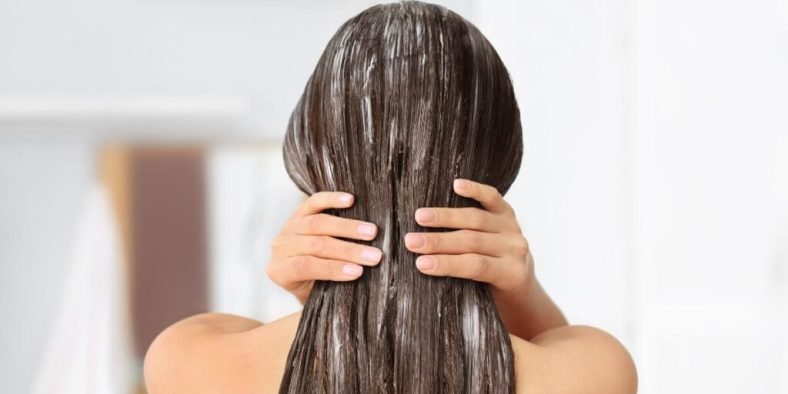
  • How to Incorporate Hair Masks Into Your Weekly Routine

    How to Incorporate Hair Masks Into Your Weekly Routine

    When it comes to incorporating hair masks into your weekly routine, consistency is key. By dedicating specific days to pamper your hair with different masks targeting various needs, you can elevate your hair care game. But what’s the best way to choose the right mask for your hair type and concerns? Stay tuned to discover how to maximize the benefits of hair masks and seamlessly integrate them into your weekly self-care regimen for luscious locks.

    Benefits of Using Hair Masks

    When you incorporate hair masks into your routine, you’ll notice immediate improvements in the health and appearance of your hair. Hair masks are like superfoods for your hair, packed with nourishing ingredients that can deeply hydrate, repair damage, and add shine. These treatments work by providing intense moisture and nutrients that regular conditioners may not offer. If you have been struggling with dry, frizzy, or damaged hair, using a hair mask once or twice a week can make a significant difference.

    One of the key benefits of using hair masks is that they can help strengthen your hair from the inside out. The ingredients in hair masks penetrate the hair shaft, helping to fortify the strands and reduce breakage. Additionally, regular use of hair masks can improve the overall texture of your hair, making it softer, smoother, and more manageable.

    Choosing the Right Hair Mask

    To select the ideal hair mask for your specific hair needs, consider the key ingredients and their benefits. Different hair masks cater to various concerns, so understanding what your hair requires is essential.

    For dry and damaged hair, look for masks containing ingredients like argan oil or shea butter to provide deep hydration and repair. If you have fine or limp hair, opt for masks with proteins like keratin to strengthen and add volume.

    Those with colored hair should choose masks that are sulfate-free and contain UV protection to prevent color fading. For those dealing with frizz and unruly hair, masks with ingredients such as coconut oil or avocado can help smoothen and control frizz.

    If you have a sensitive scalp, go for masks with soothing ingredients like aloe vera or chamomile to calm irritation. By considering your specific needs and selecting a hair mask tailored to them, you can achieve healthier, more nourished hair.

    Weekly Hair Mask Application Tips

    Consider enhancing your hair care routine by incorporating weekly hair mask application tips for healthier and more luscious locks. To start, ensure your hair is clean before applying a hair mask. Shampoo your hair as usual, and gently towel-dry it before applying the mask. Section your hair into parts to ensure even distribution of the product and maximum coverage.

    When applying the mask, focus on the mid-lengths and ends of your hair, as these areas tend to be the driest and most damaged. Use a wide-tooth comb to evenly distribute the mask and detangle your hair. Once the mask is applied, gently massage your scalp to promote blood circulation and boost the mask’s effectiveness.

    After applying the mask, leave it on for the recommended time as per the product instructions. Consider covering your hair with a shower cap to create heat, helping the mask penetrate deeper into the hair shaft. Finally, rinse thoroughly with lukewarm water and enjoy your revitalized, nourished locks.

    Incorporating Hair Masks Into Your Schedule

    Enhance your hair care routine by incorporating hair masks into your schedule for healthier and more luscious locks. To seamlessly include hair masks in your weekly routine, designate specific days for their application. Consider applying a hydrating mask on a Sunday to start your week with nourished hair. Mid-week, opt for a strengthening mask to fortify your strands. On Fridays, treat your hair to a revitalizing mask to prep for the weekend. By scheduling these treatments, you ensure that your hair receives the necessary care consistently.

    Integrating hair masks into your schedule doesn’t have to be time-consuming. While the mask is on, use that time to relax and unwind. You can read a book, listen to music, or do some light stretching. Multitasking during this period can make the experience more enjoyable and efficient. By incorporating hair masks into your weekly schedule, you provide your hair with the extra love and attention it deserves, resulting in healthier, more vibrant hair.

    Beauty & Personal care
    [product_category category=”beauty-personal-care” per_page=”10″ columns=”2″ orderby=”date” order=”rnde”]

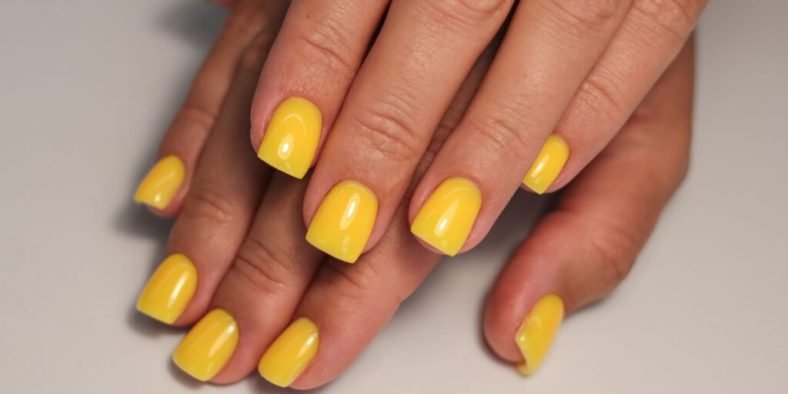
  • How Can I Get Rid of Yellow Nails and Restore Their Natural Shine?

    How Can I Get Rid of Yellow Nails and Restore Their Natural Shine?

    If you’re tired of dealing with yellow nails, don’t fret – there are solutions to help restore their natural shine. From simple home remedies to professional treatments, a range of options exist to address this common issue. By exploring the causes of yellow nails, discovering effective home remedies, learning about professional treatments, and gaining tips to maintain nail health, you can embark on a journey towards healthier, brighter nails. So, are you ready to uncover the secrets to achieving pristine nails once again?

    Causes of Yellow Nails

    Yellow nails are often caused by various factors, including fungal infections and smoking. When a fungal infection affects the nails, it can lead to discoloration, turning them yellow. The warm and moist environment inside shoes provides an ideal breeding ground for fungi, leading to nail discoloration. Smoking, on the other hand, can stain your nails due to the tar and nicotine present in cigarettes. These substances can seep into the nail bed, causing them to yellow over time.

    Another common cause of yellow nails is frequent use of nail polish without a protective base coat. The pigments in nail polish can stain the nail surface, especially if used continuously without allowing the nails to breathe. Additionally, certain medical conditions like psoriasis, diabetes, or thyroid problems can also result in yellowing of the nails. Understanding the root cause of your yellow nails is crucial in determining the most effective treatment for restoring their natural shine.

    Home Remedies for Yellow Nails

    To address yellow nails, consider exploring effective home remedies that can help restore their natural shine and health. One popular method is using a mixture of baking soda and hydrogen peroxide. Create a paste by combining these ingredients and gently scrubbing it onto your nails. Let it sit for a few minutes before rinsing it off.

    Lemon juice is another natural remedy that can help brighten yellow nails. Simply soak your nails in fresh lemon juice for about 10-15 minutes, then rinse and moisturize your nails.

    Additionally, a mixture of apple cider vinegar and water can be beneficial. Soak your nails in this solution for 15-20 minutes daily to see improvements in the yellowness.

    Tea tree oil is known for its antifungal properties and can also help with yellow nails. Mix a few drops with a carrier oil like coconut oil and massage it into your nails. These home remedies offer a natural way to address yellow nails and restore their healthy appearance.

    Professional Treatments for Yellow Nails

    Consider seeking professional treatments to effectively address the discoloration of your nails and restore their natural shine. A dermatologist or nail technician can offer various options to help improve the appearance of your yellow nails.

    One common professional treatment is laser therapy, which targets the fungi or bacteria causing the discoloration. This treatment is quick and generally painless, with noticeable results after a few sessions.

    Another professional option is chemical peels specifically designed for nails. These peels help to remove the yellow stains and promote the growth of healthier, clearer nails. Your nail technician can guide you on the best type of chemical peel for your specific needs.

    Furthermore, you may benefit from prescription medications that target the underlying causes of yellow nails, such as fungal infections. Your dermatologist can prescribe oral or topical antifungal medications to help combat the infection and restore your nails to their natural color.

    Tips to Maintain Nail Health

    Maintaining nail health is essential for ensuring your nails stay strong and vibrant.

    To keep your nails in top condition, start by keeping them clean and dry. Moisture can weaken nails, so make sure to wear gloves while doing chores that involve water or chemicals.

    Trim your nails regularly, but avoid cutting them too short, as this can increase the risk of infection. Use a moisturizing nail cream or oil to keep your cuticles hydrated and prevent them from cracking.

    Additionally, incorporate biotin-rich foods like eggs, nuts, and whole grains into your diet to promote healthy nail growth. Avoid using your nails as tools to prevent breakage, and opt for acetone-free nail polish remover to prevent dryness.

    Lastly, give your nails a break from polish every now and then to prevent discoloration and allow them to breathe. By following these simple tips, you can maintain strong, healthy nails with a natural shine.

    Beauty & Personal care
    [product_category category=”beauty-personal-care” per_page=”10″ columns=”2″ orderby=”date” order=”rnde”]
  • How Can I Achieve a Perfect Blowout at Home?

    How Can I Achieve a Perfect Blowout at Home?

    To achieve a perfect blowout at home, you need to pay attention to a few key steps that can make all the difference in the end result. From the initial hair prep to mastering the right techniques and choosing the correct tools and products, each step plays a crucial role in achieving that salon-quality finish. So, if you want to elevate your blowout game and turn heads with your perfectly styled hair, ensuring you follow these essential tips is key.

    Hair Prep

    To achieve a perfect blowout at home, begin by thoroughly washing and conditioning your hair to ensure a clean canvas for styling. Start by using a clarifying shampoo to remove any buildup or residue from your hair. Follow up with a nourishing conditioner to keep your locks hydrated and smooth. After rinsing out the conditioner, gently towel-dry your hair to remove excess water.

    Next, apply a heat protectant spray to shield your hair from the potential damage of heat styling tools. This step is crucial in maintaining the health and integrity of your hair. Once the heat protectant is applied, you can begin blow-drying your hair.

    Use a wide-tooth comb to detangle your hair gently, starting from the ends and working your way up to the roots. This will prevent unnecessary breakage and make the blow-drying process smoother. Now, you’re ready to move on to the next step in achieving a flawless blowout at home.

    Tool Selection

    When selecting tools for your at-home blowout, consider the type and quality of hair styling equipment you have available. Investing in a good blow dryer is essential. Look for a dryer with multiple heat and speed settings to cater to different hair types. Ionic dryers can help reduce frizz and enhance shine. A concentrator nozzle attachment can help direct airflow for smoother results, while a diffuser attachment is great for adding volume and defining curls.

    Additionally, having the right brushes is crucial. A round brush is ideal for achieving a sleek and voluminous blowout. Choose a barrel size that complements your desired style – smaller barrels create tighter curls, while larger barrels result in more volume and loose waves. A paddle brush is excellent for detangling and smoothing hair before and during the blowout process.

    Lastly, don’t forget heat protectant spray to shield your hair from heat damage. Select a high-quality product that suits your hair type for maximum protection and a flawless finish.

    Technique Mastery

    Consider mastering the technique of sectioning your hair to ensure an even and efficient blowout. Proper sectioning is essential for achieving a flawless look. Begin by dividing your hair into manageable sections using clips or hair ties. This allows you to focus on one section at a time, ensuring that each part is thoroughly dried and styled.

    When blow-drying, always hold the dryer at a downward angle to smooth the cuticle and reduce frizz. Use a round brush to guide the airflow and add volume. Start at the roots and work your way down to the ends, focusing on each section until it’s completely dry. Remember to keep the dryer moving to prevent heat damage and over-drying.

    To create volume, lift the roots with the brush as you dry each section. This technique adds bounce and fullness to your hair. Finish with a blast of cool air to set the style and enhance shine. With practice, you’ll master the art of sectioning and achieve a professional-looking blowout at home.

    Product Application

    For optimal results, apply a small amount of heat protectant spray to your towel-dried hair before starting the blowout process. Heat protectant spray creates a barrier that shields your hair from the heat of styling tools, preventing damage and keeping your locks healthy. Begin by holding the spray about 6 inches away from your head and evenly distributing it throughout your hair, focusing on the mid-lengths and ends where the most damage can occur.

    After applying the heat protectant, it’s time to add a lightweight styling cream or mousse to enhance the blowout. These products help with frizz control, add volume, and provide hold to your style. Start with a small amount, emulsify it between your hands, and then work it through your hair, concentrating on the roots for added lift.

    Remember to choose products that suit your hair type to achieve the best results. Using the right products and applying them correctly sets the foundation for a flawless at-home blowout.

    Beauty & Personal care
    [product_category category=”beauty-personal-care” per_page=”10″ columns=”2″ orderby=”date” order=”rnde”]
  • How Can You Strengthen Weak Nails Naturally?

    How Can You Strengthen Weak Nails Naturally?

    If you’re tired of dealing with weak nails that just won’t seem to grow and strengthen, there are natural ways to give them the boost they need. By making some simple changes to your diet and incorporating specific nutrients, you may start to notice a difference in your nail health. But that’s just the beginning; there are other effective methods and habits you can adopt to further enhance the strength and resilience of your nails. Stay tuned to discover the holistic approach to achieving stronger, healthier nails without resorting to harsh chemicals or treatments.

    Diet and Nutrition for Stronger Nails

    To strengthen your weak nails naturally, focus on improving your diet and nutrition. Your nails reflect your overall health, and a balanced diet rich in essential nutrients can help promote stronger and healthier nails. Start by ensuring you incorporate foods high in biotin, such as eggs, nuts, and whole grains, as biotin deficiency can lead to brittle nails. Including lean proteins like chicken, fish, and legumes will also aid in nail growth and strength.

    Additionally, prioritize foods rich in vitamins A, C, and E, as they play a crucial role in nail health. Carrots, bell peppers, almonds, and spinach are great choices to boost these vitamins in your diet. Remember to stay hydrated by drinking an adequate amount of water each day to maintain nail moisture and prevent brittleness.

    Natural Oils and Remedies

    Consider incorporating natural oils and remedies into your nail care routine for stronger and healthier nails. Natural oils like coconut oil, jojoba oil, and olive oil can be beneficial for weak nails. These oils are rich in nutrients and moisturizing properties that can help strengthen your nails and prevent them from becoming brittle. Simply massage a small amount of your chosen oil into your nails and cuticles regularly to nourish and hydrate them.

    Another effective remedy for weak nails is vitamin E oil. Vitamin E is known for its ability to promote nail growth and improve overall nail health. You can either apply vitamin E oil directly to your nails or take vitamin E supplements to strengthen them from the inside out.

    Tea tree oil is also a great natural remedy for weak nails due to its antifungal and antibacterial properties. It can help protect your nails from infections and keep them healthy. Mix a few drops of tea tree oil with a carrier oil like coconut oil and apply it to your nails for added strength and protection.

    Proper Nail Care Habits

    Incorporate simple yet effective nail care habits into your routine to maintain strong and healthy nails. Start by keeping your nails clean and dry to prevent bacteria and fungi from causing infections.

    Trim your nails regularly, using proper nail clippers to avoid snagging or breaking. Remember to file your nails in one direction to prevent splitting.

    Moisturize your nails and cuticles daily, using a nourishing hand cream or oil to keep them hydrated and prevent brittleness.

    Avoid using your nails as tools for tasks like opening cans or scratching surfaces. Wear gloves while doing household chores or gardening to protect your nails from harsh chemicals and excessive moisture.

    Lastly, give your nails a break from nail polish occasionally to let them breathe and prevent discoloration. By following these simple nail care habits consistently, you can promote stronger and healthier nails naturally.

    Supplements for Nail Health

    Enhance the health of your nails naturally by exploring the benefits of incorporating supplements into your daily routine. Supplements can play a crucial role in strengthening weak nails and promoting overall nail health.

    Look for supplements that contain essential vitamins and minerals like biotin, vitamin E, iron, zinc, and omega-3 fatty acids. Biotin, also known as vitamin B7, is particularly beneficial for nail strength and growth. It helps to improve the thickness of the nail plate and prevent brittleness.

    Vitamin E is an antioxidant that promotes blood circulation to the nail bed, supporting healthy nail growth. Iron and zinc contribute to the overall health of your nails by preventing them from becoming brittle and weak. Omega-3 fatty acids help to hydrate your nails from within, reducing the risk of breakage and promoting flexibility.

    Incorporating these supplements into your daily routine can help you achieve stronger, healthier nails naturally.

    Beauty & Personal care
    [product_category category=”beauty-personal-care” per_page=”10″ columns=”2″ orderby=”date” order=”rnde”]

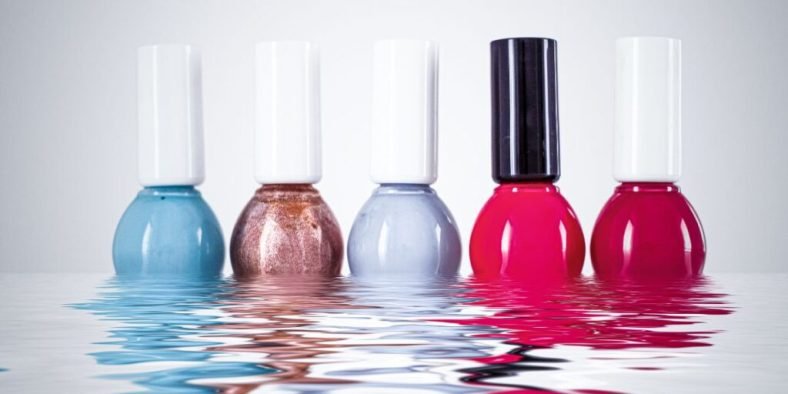
  • How Do You Choose the Right Nail Polish for Healthy Nails?

    How Do You Choose the Right Nail Polish for Healthy Nails?

    When it comes to selecting the perfect nail polish for maintaining healthy nails, there are several key considerations to keep in mind. Ensuring that your nail polish is free from harmful chemicals is crucial, but that’s just the beginning. From choosing the right colors to understanding the benefits of different formulations, the process can be both rewarding and beneficial. By delving deeper into the realm of nail care, you might uncover surprising insights that will transform your nail routine.

    Factors to Consider

    When choosing nail polish for healthy nails, consider the ingredients and their impact on your nail health. Opt for nail polishes that are free from harmful chemicals like formaldehyde, toluene, and dibutyl phthalate, as these can weaken your nails over time. Look for polishes labeled as ‘3-free’ or ‘5-free’ to ensure they’re formulated without these damaging components. Additionally, choose nail polishes enriched with vitamins and minerals that promote nail strength and growth. Ingredients like biotin, vitamin E, and calcium can help nourish your nails while providing a vibrant and long-lasting color.

    Consider the texture and finish of the nail polish as well. Matte nail polishes tend to be less damaging to your nails than those with a high shine, as they usually contain fewer chemicals. Opt for nail polishes that are quick-drying to minimize the time your nails are exposed to potentially harmful substances. By being mindful of these factors, you can choose nail polish that not only looks great but also supports the health of your nails.

    Ingredients to Avoid

    Consider the harmful effects of certain chemicals commonly found in nail polish to make informed choices for healthier nails.

    When selecting nail polish, it’s important to be aware of ingredients that can potentially harm your nails and overall health.

    Formaldehyde, a common nail polish ingredient, is known to cause brittleness and weaken nails.

    Toluene, another chemical often found in nail polish, has been linked to dizziness and headaches when inhaled.

    Dibutyl phthalate (DBP) is a plasticizer that can disrupt hormone regulation and is best avoided.

    Additionally, ingredients like formaldehyde resin and camphor can also have negative effects on nail health.

    Opt for nail polishes labeled as ‘5-free’ or ‘7-free’ as they’re formulated without the harmful chemicals mentioned.

    By avoiding these ingredients, you can help maintain the health of your nails while still enjoying beautifully painted nails.

    Nail Health Benefits

    Enhance the strength and resilience of your nails by incorporating nail polish with nourishing ingredients that promote nail health. Opt for nail polishes that contain vitamins like biotin, vitamin E, and calcium. These ingredients can help strengthen your nails, prevent breakage, and promote overall nail health.

    Choosing nail polish with strengthening proteins, such as keratin, can also benefit your nails. Keratin helps improve nail structure and resilience, keeping them healthy and less prone to damage. Additionally, look for nail polishes that are free from harmful chemicals like formaldehyde, toluene, and DBP. These chemicals can weaken nails and cause brittleness over time.

    Nail polishes infused with hydrating ingredients like jojoba oil, almond oil, or shea butter can help nourish and moisturize your nails, preventing dryness and promoting flexibility. Well-hydrated nails are less likely to split or break, leading to healthier-looking nails overall. By choosing nail polish with these beneficial ingredients, you can maintain strong and healthy nails while still enjoying beautiful manicures.

    Tips for Application

    For smooth and flawless nail polish application, begin by prepping your nails with a gentle buffing and cleansing routine. Start by shaping your nails with a file to ensure they’re all even in length. Gently buff the surface of your nails to create a smooth canvas for the polish to adhere to. Next, wash your hands with a mild soap to remove any oils or debris that could affect the polish application.

    After prepping your nails, apply a base coat to protect your nails and help the polish adhere better. Let the base coat dry completely before applying your chosen nail polish color. When applying the nail polish, use thin, even strokes starting from the base of your nail to the tip. Allow each layer to dry before applying the next one to avoid smudges or bubbles.

    Finish off your manicure with a top coat to seal in the color and add extra shine. Remember to clean up any excess polish around your nails with a small brush dipped in nail polish remover for a professional-looking finish.

    Beauty & Personal care
    [product_category category=”beauty-personal-care” per_page=”10″ columns=”2″ orderby=”date” order=”rnde”]

  • How Can I Protect My Skin From UV Damage Without Sunscreen?

    How Can I Protect My Skin From UV Damage Without Sunscreen?

    You might be surprised to learn that safeguarding your skin from UV damage without sunscreen is not only feasible but also effective. By exploring alternative methods like strategic clothing choices, seeking out shady spots, incorporating UV-protective accessories, and considering natural sunscreen alternatives, you can significantly reduce your skin’s exposure to harmful UV rays. These methods offer a diverse range of options for protecting your skin that go beyond traditional sunscreen applications. So, before you head out into the sun, consider these alternative approaches to shield your skin from UV damage without compromising on protection.

    Clothing as a Protective Barrier

    When choosing clothing for protection against UV damage, opt for tightly woven fabrics with darker colors. These materials provide better protection by blocking more harmful sun rays. Darker colors absorb UV radiation, offering enhanced defense compared to lighter shades. Look for clothes labeled with ultraviolet protection factor (UPF) ratings for added assurance. Fabrics with a UPF rating of 30 or higher are ideal for shielding your skin from the sun’s harmful effects.

    Long-sleeved shirts and pants made from these fabrics are excellent choices for minimizing UV exposure. Additionally, wide-brimmed hats can offer protection to your face, neck, and ears. Sunglasses with UV protection are essential to safeguard your eyes from damaging UV rays. Remember, not all clothing provides the same level of protection, so it’s crucial to select garments designed specifically for blocking UV radiation.

    Seek Shade During Peak Hours

    To protect your skin effectively from UV damage, consider seeking shade during peak hours of sunlight exposure. The sun’s rays are strongest between 10 a.m. and 4 p.m., so try to plan outdoor activities either before or after these times. If you must be outside during peak hours, look for shady spots under trees, canopies, or umbrellas to shield your skin from direct sunlight.

    By staying in the shade, you can significantly reduce your UV exposure and lower the risk of sunburn and skin damage. Remember that shade from buildings or other structures may not provide enough protection, as UV rays can still bounce off surfaces and reach your skin. It’s crucial to find a shaded area where direct sunlight is blocked to safeguard your skin effectively.

    Additionally, seeking shade not only helps protect your skin but also keeps you cooler and more comfortable on hot sunny days. So, whether you’re at the beach, park, or outdoor event, make it a habit to seek shade during peak hours for optimal skin protection.

    Use UV-Protective Accessories

    Consider incorporating UV-protective accessories into your daily routine to enhance skin protection against UV damage. Accessories like wide-brimmed hats, sunglasses with UV protection, and UPF clothing can shield your skin from harmful UV rays.

    A wide-brimmed hat not only adds a stylish touch to your outfit but also provides shade to your face, neck, and ears. Sunglasses with UV protection help protect your eyes from damage caused by the sun’s rays. Opt for sunglasses that block 100% of UVA and UVB rays for maximum protection.

    UPF clothing, which is specifically designed to block UV rays, offers an extra layer of defense for your skin. Look for clothing with a UPF rating of 30 or higher for optimal protection. By incorporating these UV-protective accessories into your daily wardrobe, you can reduce your skin’s exposure to harmful UV radiation and lower your risk of sun damage.

    Opt for Natural Sunscreen Alternatives

    Enhance your skin protection by choosing natural sunscreen alternatives that offer effective UV defense without the use of traditional sunscreen products. Opt for mineral-based sunscreens containing zinc oxide or titanium dioxide. These mineral filters act as physical barriers, reflecting and scattering harmful UV rays away from your skin. Look for products labeled as ‘reef-safe’ to ensure they’re environmentally friendly.

    Consider using clothing with UPF (Ultraviolet Protection Factor) to shield your skin from the sun. Lightweight long-sleeved shirts, pants, and wide-brimmed hats offer great protection. Additionally, seek shade during peak sun hours and wear sunglasses that block 100% of UVA and UVB rays to safeguard the delicate skin around your eyes.

    Explore natural oils like coconut oil, raspberry seed oil, or carrot seed oil, which offer some degree of sun protection. While these alternatives may not provide as high a level of protection as traditional sunscreens, they can still offer additional defense when used in conjunction with other protective measures. Remember to regularly reapply these natural alternatives for continuous sun protection.

    Beauty & Personal care
    [product_category category=”beauty-personal-care” per_page=”10″ columns=”2″ orderby=”date” order=”rnde”]