Category: Camping

  • What Are the Most Effective Lighting Options for Camping?

    What Are the Most Effective Lighting Options for Camping?

    When considering the most effective lighting options for camping, it’s crucial to weigh the pros and cons of each choice to ensure your outdoor experience is well-illuminated and hassle-free. From traditional lanterns to LED headlamps, solar-powered lights, and string lights, each option brings its unique benefits to the table. But which one truly shines brightest when night falls and darkness surrounds your campsite? Let’s shed some light on the best illumination strategies for your next outdoor adventure.

    Traditional Lanterns

    When camping, traditional lanterns provide reliable lighting for your outdoor adventures. These lanterns offer a warm, ambient glow that illuminates your campsite effectively. The soft light creates a cozy atmosphere for cooking, playing games, or simply relaxing under the stars. Traditional lanterns are easy to use, typically requiring only a fuel source, such as propane or kerosene, and a simple ignition method to light up your surroundings.

    One key advantage of traditional lanterns is their durability. Made from sturdy materials like metal or plastic, these lanterns can withstand the rigors of outdoor use, including bumps and drops. They’re also designed to be weather-resistant, ensuring that they continue to provide light even in rainy or windy conditions. Additionally, traditional lanterns often have adjustable brightness settings, allowing you to customize the level of light based on your needs.

    LED Headlamps

    For optimal hands-free lighting during your camping adventures, consider using LED headlamps. LED headlamps are a fantastic choice for illuminating your path while keeping your hands free to set up camp, cook, or engage in other activities.

    These lightweight and compact headlamps provide a bright, focused beam of light that’s perfect for navigating through the darkness. LED technology is energy-efficient, allowing you to enjoy extended battery life compared to traditional lighting options.

    Additionally, LED bulbs are durable and shock-resistant, making them ideal for outdoor activities where rough handling may occur. Many LED headlamps also offer adjustable brightness settings, allowing you to tailor the intensity of light to your specific needs.

    Whether you’re hiking, fishing, or simply reading in your tent, LED headlamps provide reliable and convenient lighting. Before your next camping trip, make sure to pack a quality LED headlamp to enhance your outdoor experience.

    Solar-Powered Lights

    Consider enhancing your camping experience with solar-powered lights, a sustainable and efficient lighting option for your outdoor adventures. Solar-powered lights harness energy from the sun during the day, storing it in rechargeable batteries to illuminate your campsite at night. These lights are eco-friendly, eliminating the need for disposable batteries and reducing your environmental impact.

    One of the key advantages of solar-powered lights is their portability and ease of use. They’re typically lightweight and compact, making them convenient to carry in your backpack or set up around your campsite. Many solar lights are also designed with versatile mounting options, allowing you to hang them in your tent, place them on tables, or stake them into the ground.

    Additionally, solar-powered lights are cost-effective in the long run, as they don’t require electricity to operate. Once you invest in solar lights, you can enjoy free lighting for future camping trips without worrying about running out of power. Embrace the power of the sun and illuminate your camping experience with sustainable solar-powered lights.

    String Lights

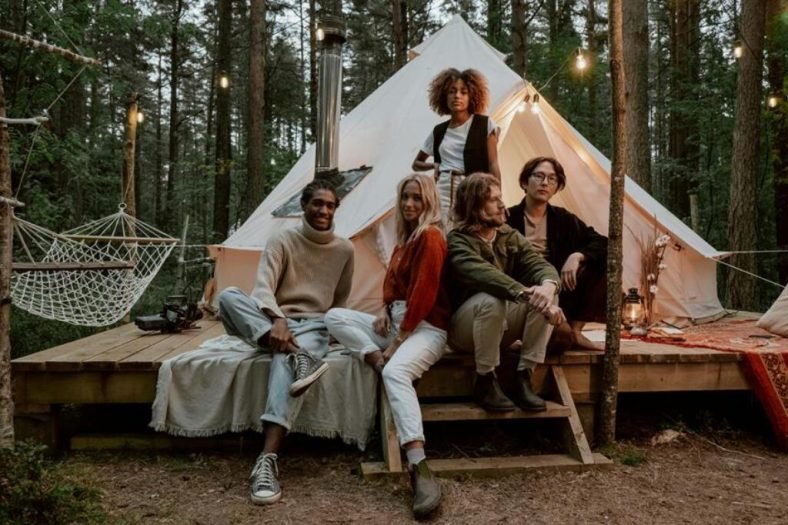
    Illuminate your camping space with the warm and inviting glow of string lights. String lights are a versatile lighting option that can add a cozy and whimsical ambiance to your campsite. These lights come in various lengths and styles, allowing you to customize your lighting setup to suit your needs. Whether you want to create a soft glow around your tent or brighten up a communal area, string lights offer flexibility in how you illuminate your outdoor space.

    One of the key advantages of string lights is their portability and ease of setup. Simply hang them on tree branches, tent poles, or other camping gear to instantly transform your surroundings. Many string lights are also battery-powered, making them convenient for use in locations without access to electricity. Additionally, some string lights are designed to be weather-resistant, ensuring they can withstand the outdoor elements during your camping adventures.

    Camping

    [product_category category=”camping” per_page=”10″ columns=”2″ orderby=”date” order=”rnde”]

  • What Are the Best Clothing Choices for Camping Trips?

    What Are the Best Clothing Choices for Camping Trips?

    When planning your next camping trip, selecting the right clothing is crucial for your comfort and safety in the outdoors. Ensuring you have appropriate layers and versatile pieces can make a significant difference in how enjoyable your experience will be. From tackling unpredictable weather to staying comfortable during activities, the right clothing choices can enhance your outdoor adventure in ways you might not have considered. So, what exactly should you pack to make sure you’re prepared for whatever nature throws your way? Let’s explore the best clothing choices for camping trips together.

    Layering for Varied Weather

    When camping in unpredictable weather, layering your clothing is essential for staying comfortable and prepared. Start with a moisture-wicking base layer to keep sweat away from your skin. This helps regulate your body temperature and prevents chafing.

    Next, add an insulating layer like a fleece or down jacket to trap heat and keep you warm. Make sure this layer is easy to remove in case you get too hot while hiking or setting up camp.

    Finally, top it off with a waterproof and windproof outer layer to protect you from rain, snow, or strong winds. Look for a jacket with adjustable cuffs and a hood for added protection. Remember to choose clothing made from quick-drying materials to stay dry and avoid hypothermia.

    Multi-functional Clothing Items

    For your camping trips, consider incorporating multi-functional clothing items to maximize versatility and practicality. Opt for convertible pants that can easily transform into shorts when the weather gets warmer or zip-off sleeves on jackets for quick adjustments. These items allow you to adapt to changing weather conditions without needing to pack extra clothing.

    Look for moisture-wicking shirts that not only keep you dry during physical activities but also double up as a base layer for added warmth when temperatures drop. Scarves or buffs are handy accessories that can serve multiple purposes such as protecting your neck from the sun, keeping you warm, or even acting as a makeshift bandage in emergencies.

    Additionally, a lightweight and waterproof poncho can shield you from rain during hikes and double as a makeshift ground cover for impromptu picnics. By investing in multi-functional clothing items, you can streamline your packing process and be better prepared for whatever nature throws your way during your camping adventures.

    Footwear Considerations

    Consider your footwear choices as a key aspect of your camping gear, ensuring comfort and functionality throughout your outdoor excursions. When selecting footwear for camping trips, opt for sturdy hiking boots or shoes with good ankle support to navigate various terrains comfortably. Look for waterproof and breathable materials to keep your feet dry and prevent blisters. Additionally, choose footwear with durable soles that provide traction on different surfaces, from rocky paths to muddy trails.

    It’s essential to break in your camping footwear before your trip to prevent discomfort or blisters. Wear them for short walks or hikes to ensure they fit well and don’t rub against your feet. Consider bringing a pair of lightweight camp shoes, like sandals or slip-on sneakers, to give your feet a break at the campsite while still providing protection. Remember to pack extra socks to keep your feet dry and comfortable throughout your outdoor adventures. Properly chosen and maintained footwear can make a significant difference in your camping experience.

    Packing Light and Smart

    To efficiently prepare for your camping trip, prioritize packing light and smart to ensure convenience and ease during your outdoor adventures. When selecting clothing items, opt for versatile pieces that can be layered for varying weather conditions. Choose lightweight and quick-drying fabrics that are easy to pack and wash. Remember to pack multi-functional items like convertible pants that can be turned into shorts or long pants as needed. Utilize packing cubes or compression sacks to maximize space in your backpack and keep your gear organized.

    Consider the activities you’ll be engaging in and pack accordingly. If you plan on hiking, pack moisture-wicking socks and breathable clothing to stay comfortable on the trails. For cooler evenings, pack a lightweight jacket or a fleece layer that can be easily added or removed. Minimize the number of items you pack by choosing clothing that can be mixed and matched to create different outfits. By packing light and smart, you’ll be able to enjoy your camping trip without the burden of heavy and unnecessary gear weighing you down.

    Camping

    [product_category category=”camping” per_page=”10″ columns=”2″ orderby=”date” order=”rnde”]
  • What Are the Best Plants to Eat in a Survival Situation?

    What Are the Best Plants to Eat in a Survival Situation?

    If you find yourself in a survival scenario, knowing which plants to consume can be crucial for your well-being. Imagine the peace of mind that comes with being able to identify safe and nutritious plants in the wild. By understanding the best options available to you, you can ensure you are making informed choices when it matters most.

    Benefits of Eating Wild Plants

    Eating wild plants can significantly boost your nutrient intake and survival chances in the wild. When you find yourself in a survival situation, foraging for edible plants can provide essential vitamins and minerals that your body needs to function properly. These plants are packed with nutrients that can help keep you energized and hydrated. By incorporating a variety of wild plants into your diet, you can ensure that you’re getting a well-rounded source of nutrition.

    In addition to their nutritional benefits, wild plants can also serve as a valuable source of calories. In a survival scenario where food is scarce, consuming wild plants can help sustain your energy levels and keep you going until you find a more substantial food source. Furthermore, many wild plants offer medicinal properties that can help alleviate common ailments or injuries that you may encounter in the wild.

    Top Edible Wild Plants

    When foraging for survival, incorporating a variety of wild plants into your diet can provide essential nutrients and sustenance. Some of the top edible wild plants that you can consider including in your foraged meals are:

    • Dandelions, rich in vitamins A and C, as well as calcium and iron.
    • Nettles are another excellent choice, packed with vitamins, minerals, and even protein.
    • You might also come across purslane, a succulent plant high in omega-3 fatty acids and antioxidants.
    • Lamb’s quarters are nutritious, offering vitamins A and C, calcium, and iron.
    • Additionally, cattails are a versatile option, providing various parts that are edible and rich in nutrients.
    • Finally, don’t overlook the potential of chicory, which can add both flavor and beneficial nutrients to your survival diet.

    Remember to always properly identify plants before consuming them to ensure your safety in the wild.

    How to Safely Identify Plants

    To safely identify plants while foraging for survival, it’s crucial to familiarize yourself with key botanical features and characteristics. Look closely at the plant’s leaves, stems, flowers, fruits, and overall growth pattern. Leaves come in various shapes and arrangements, such as lobed, toothed, or compound. Stems can be square, round, hairy, or smooth. Flowers vary in color, size, and petal arrangement. Fruits can be berries, pods, or nuts. Pay attention to any distinctive smells or textures as well.

    Another essential aspect of plant identification is understanding the environment. Different plants thrive in specific habitats, so knowing where certain plants are commonly found can narrow down your search. Consider the soil type, sunlight exposure, and moisture levels of the area you’re foraging in.

    Utilizing field guides or plant identification apps can be incredibly helpful tools. These resources provide detailed descriptions, photographs, and even interactive features to assist you in accurately identifying plants. Practice your identification skills regularly to become more confident in distinguishing between edible and toxic plants. Remember, when in doubt, it’s best to err on the side of caution and avoid consuming any plant you’re unsure about.

    Tips for Harvesting and Preparation

    For effective harvesting and preparation of survival plants, ensure you gather them at the peak of their freshness and nutritional value. When harvesting, be cautious of poisonous look-alike plants and always positively identify the species. It’s crucial to wash the plants thoroughly to remove any dirt, insects, or contaminants before consuming them.

    To prepare survival plants, consider various methods such as boiling, steaming, or eating them raw, depending on the plant type. Boiling can help remove bitterness or toxins from certain plants, making them safer to eat. Steaming preserves more nutrients compared to boiling, but be sure to cook them thoroughly to break down tough fibers and improve digestibility.

    Experiment with different recipes to make the most of your survival plants. You can incorporate them into soups, salads, stir-fries, or even make herbal teas. Remember, proper harvesting and preparation techniques are essential for maximizing the nutritional benefits of survival plants in a precarious situation.

    Camping

    [product_category category=”camping” per_page=”10″ columns=”2″ orderby=”date” order=”rnde”]
  • How Do You Safely Cross Rivers and Streams in the Wild?

    How Do You Safely Cross Rivers and Streams in the Wild?

    As you venture into the wilderness, the question of safely navigating rivers and streams looms ahead. The serenity of these natural waterways can quickly turn treacherous if not approached with caution. So, how do you ensure a secure passage across these watery obstacles? Well, the answer lies in a combination of strategy, skill, and respect for the power of nature. Stay tuned to uncover the essential tips and techniques that will guide you towards a successful river crossing.

    Assessing the River or Stream

    Before crossing a river or stream in the wild, assess the depth and speed of the water flow to ensure your safety. Look for calmer sections where the water is shallower and slower-moving. Avoid areas with swift currents or deep spots that could be dangerous to traverse. Remember that water depth can vary even in seemingly calm areas, so use a long stick to probe the depth before stepping in. Keep in mind that water can be deceiving, so never underestimate its power.

    Additionally, check for any obstacles in the water that could pose a risk to your crossing. Large rocks, fallen trees, or debris can create hazards, especially in fast-moving currents. Plan your route carefully to avoid these obstacles and choose the safest path across the river or stream.

    Choosing the Right Crossing Point

    To safely cross rivers and streams in the wild, carefully select the optimal point for crossing based on the water’s depth and current speed. When choosing a crossing point, look for areas where the water is shallower and the current is slower. Avoid deep sections of the river where the water may be too swift to cross safely. Look for wider sections of the river where the current is more spread out, as these areas tend to have slower-moving water.

    Additionally, consider any obstacles such as rocks or fallen trees that could obstruct your path or create dangerous conditions. It’s essential to choose a crossing point where you have a clear line of sight both upstream and downstream to anticipate any potential hazards.

    Remember that the best crossing point may not always be the most obvious one. Take your time to evaluate different options before making a decision. By carefully selecting the right crossing point, you can significantly increase your chances of safely traversing rivers and streams in the wild.

    Crossing Techniques to Consider

    Consider employing the ‘side-step’ technique when crossing rivers and streams in the wild, especially when dealing with strong currents. To use this method, face upstream, lean slightly into the current, and move sideways across the waterway. By facing upstream, you reduce the force of the current pushing against you. This technique provides better stability and control, allowing you to react quickly if the current becomes too strong.

    Another effective crossing technique is the ‘angled downstream’ method. Point your body downstream at an angle, with your upstream leg slightly behind the other. Lean on a staff or trekking pole for support and move diagonally downstream. This technique helps you maintain balance and control while utilizing the force of the current to assist your crossing.

    Remember to always keep your backpack unbuckled, so you can easily discard it if you fall. Additionally, wear appropriate footwear with good traction to prevent slipping on rocks or slippery surfaces. Mastering these techniques can make river crossings safer and more manageable in the wild.

    Safety Measures for River Crossings

    Utilize proper safety gear and equipment when embarking on river crossings in the wild to enhance your protection and preparedness. Before starting your journey across a river, ensure you have a sturdy pair of water shoes or sandals with good traction to prevent slipping on rocks or in the water. Additionally, a trekking pole or a sturdy stick can provide extra stability and help you gauge the depth of the water.

    Always wear a properly fitted life jacket to assist with buoyancy in case of a fall or unexpected currents. Secure any loose items to your body or pack to prevent them from getting swept away by the water. It’s crucial to assess the current speed and depth of the river before crossing; if it seems too dangerous, consider finding an alternative route.

    Cross at wider sections where the water is shallower and the current is slower. Maintain a sideways stance while crossing, angling your body slightly downstream to offer less resistance to the current. By following these safety measures, you can increase your chances of successfully navigating river crossings in the wild.

    Camping

    [product_category category=”camping” per_page=”10″ columns=”2″ orderby=”date” order=”rnde”]
  • Lessons From Real-Life Survival Stories

    Lessons From Real-Life Survival Stories

    You’ve likely heard awe-inspiring tales of survival against all odds, but have you ever considered the profound insights these stories hold? Real-life survival accounts offer more than just gripping narratives; they provide a glimpse into the depths of human courage and determination. These narratives unravel the essence of human nature in its purest form, showcasing the indomitable spirit that propels individuals to defy the impossible. What can we learn from these extraordinary accounts of resilience and ingenuity in the face of peril?

    Survival Strategies and Tactics

    When facing life-threatening situations, your survival often depends on quick thinking and decisive action. In these critical moments, having a clear plan and knowing basic survival strategies can make all the difference.

    One key tactic is to prioritize your needs, focusing on essentials like shelter, water, and food. Assess your surroundings and gather necessary resources to ensure your immediate survival.

    Another crucial strategy is to stay calm and maintain a positive mindset. Panicking can cloud your judgment and hinder your ability to make sound decisions. By staying composed, you can think rationally and come up with effective solutions to overcome challenges. Additionally, adapting to your environment and being flexible in your approach can help you navigate unpredictable situations.

    Furthermore, it’s essential to stay vigilant and be aware of potential dangers. Keeping a lookout for threats and being prepared to defend yourself if necessary can significantly increase your chances of survival.

    Mental Resilience in Adversity

    Building mental resilience in the face of adversity is essential for overcoming challenges and thriving in difficult situations. When faced with adversity, it’s crucial to cultivate a strong mindset that can weather the storm. One way to enhance your mental resilience is by practicing mindfulness and staying present in the moment. By focusing on the present, you can prevent yourself from being overwhelmed by negative thoughts about the past or future.

    Additionally, developing a support system of friends, family, or mentors can provide a crucial foundation during tough times. Talking to someone you trust can help you gain perspective and find the strength to persevere. Remember, you aren’t alone in facing challenges, and seeking help is a sign of courage, not weakness.

    Furthermore, setting realistic goals and breaking them down into manageable steps can make daunting tasks feel more achievable. Celebrate small victories along the way to boost your confidence and motivation. By nurturing your mental resilience, you can navigate adversity with grace and emerge stronger on the other side.

    Decision-Making Under Pressure

    Staying calm and focused under pressure is key to making sound decisions in challenging situations. When faced with high-stress scenarios, it’s crucial to avoid letting panic cloud your judgment. Take a deep breath, assess the situation, and prioritize your actions based on the urgency of the circumstances.

    In real-life survival stories, individuals who maintained their composure under pressure were better equipped to navigate through adversity. By keeping a clear head and focusing on the most critical tasks at hand, they were able to make decisions that increased their chances of survival.

    One essential aspect of decision-making under pressure is the ability to adapt quickly to changing conditions. Being flexible in your approach allows you to adjust your strategies as needed and find innovative solutions to unexpected challenges.

    Remember, under pressure, it’s okay to seek input from others if available. Collaborating with teammates or seeking advice from experts can provide valuable insights that may lead to better decisions in critical moments.

    Ultimately, honing your ability to make decisions under pressure can greatly enhance your chances of overcoming difficult situations and emerging stronger on the other side.

    Lessons in Human Resourcefulness

    Exercising resourcefulness in challenging circumstances can be a vital skill for survival and success. When faced with limited resources or unexpected obstacles, your ability to think creatively and adapt can make all the difference. Real-life survival stories often highlight the importance of human resourcefulness in overcoming adversity.

    In situations where traditional solutions may not apply, being resourceful means finding new ways to tackle problems. Whether it’s MacGyver-like improvisation or simply thinking outside the box, resourcefulness involves using what you have at your disposal to achieve your goals. This could mean repurposing everyday items for survival or coming up with innovative strategies to navigate complex challenges.

    Moreover, human resourcefulness isn’t just about quick thinking; it also involves resilience and determination. When faced with setbacks, being resourceful means staying adaptable and open to different possibilities. By honing your resourcefulness, you can enhance your problem-solving skills and increase your chances of overcoming obstacles in both your personal and professional life.

    Camping

    [product_category category=”camping” per_page=”10″ columns=”2″ orderby=”date” order=”rnde”]
  • The Art of Open Flame Grilling

    The Art of Open Flame Grilling

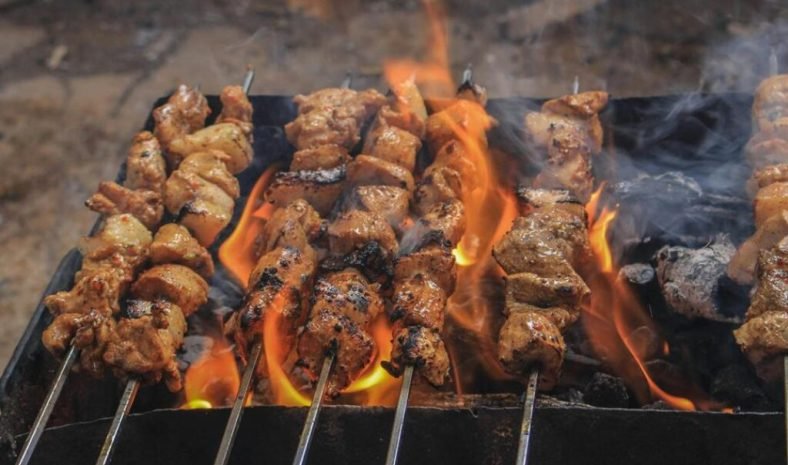
    When you step up to the grill, the dance of flames and sizzle of meat awaken your senses to the possibilities of culinary mastery. The way you choose your fuel, control the heat, and wield your grilling tools all play a part in crafting a symphony of flavors that can elevate a simple meal into a gourmet experience. But there’s more to this art than meets the eye; it’s a delicate balance of technique and intuition that separates the amateurs from the grill masters, and once you grasp its essence, a world of gastronomic delights awaits.

    Fuel Selection

    When choosing fuel for open flame grilling, consider the type of flavor you want to impart on your food. Different fuels bring distinct flavors to your dishes. Charcoal, known for providing a smoky taste, comes in two main types: briquettes and lump charcoal. Briquettes burn longer and more consistently, while lump charcoal burns hotter and faster, ideal for searing. Wood chips or chunks add a unique smokiness, with options like applewood, hickory, or mesquite. Each wood type offers a specific flavor profile, enhancing your grilled creations.

    For a quick and convenient option, propane or natural gas grills are excellent choices. They offer consistent heat control and are easy to start and stop. Propane tanks are portable, making them perfect for picnics or camping trips. Natural gas grills are a more permanent fixture in outdoor kitchens and require a gas line connection. Both propane and natural gas grills provide a clean and efficient grilling experience, perfect for those who prefer convenience without compromising on flavor.

    Temperature Control

    To achieve optimal grilling results, maintaining precise temperature control is essential. Controlling the temperature of your grill is crucial for ensuring that your food cooks evenly and thoroughly. Start by preheating your grill to the desired temperature before placing your food on the grates. Adjust the heat source, whether it’s charcoal or gas, to reach the ideal cooking temperature.

    Keep an eye on the temperature throughout the grilling process. If you notice that the heat is too high, adjust the vents or burner settings to lower the temperature. Conversely, if the temperature is too low, add more fuel or increase the gas flow to raise the heat.

    Investing in a good quality grill thermometer can also help you monitor the temperature accurately. Different foods require different cooking temperatures, so being able to adjust the heat accordingly is key to achieving perfectly grilled dishes. Remember, practice makes perfect, so don’t be afraid to experiment with temperature control to find what works best for your grilling style.

    Grilling Techniques

    Mastering various grilling techniques is key to elevating your skills and creating delicious dishes on the grill. One fundamental technique is direct grilling, where you cook food directly over the heat source. This method is perfect for foods that cook quickly, like burgers, vegetables, and seafood. For larger cuts of meat that require longer cooking times, indirect grilling is essential. By placing the food next to the heat instead of directly over it, you can prevent burning while ensuring even cooking.

    Another technique to master is two-zone grilling, which involves creating separate zones of heat on your grill. One side is used for high heat searing, while the other side is kept cooler for slower cooking. This method gives you more control over the cooking process and allows you to sear meats to perfection before finishing them with gentle heat.

    Rotisserie grilling is a technique that involves skewering food on a rotating spit over the flames. This method results in juicy, evenly cooked meats with a delicious crispy exterior. Experimenting with different grilling techniques won’t only enhance your skills but also elevate the flavors of your dishes.

    Flavor Enhancement

    To enhance the flavors of your grilled dishes, consider exploring different methods of flavor enhancement that can elevate your cooking to new levels of deliciousness.

    One popular way to enhance flavor is through marinades. Marinades infuse your food with a burst of taste, tenderize meats, and can range from simple oil and herb mixes to complex blends of spices and acids.

    Another technique is dry rubs, which create a flavorful crust on your grilled items. Experiment with various combinations of herbs, spices, sugars, and salts to find your perfect blend.

    Adding wood chips or chunks to your grill can impart a smoky flavor to your food, enhancing its overall taste profile.

    Additionally, basting your food with flavorful sauces or herb-infused oils during the grilling process can add layers of taste.

    Lastly, don’t underestimate the power of finishing touches like fresh herbs, citrus zest, or a drizzle of high-quality olive oil to elevate the flavors of your grilled creations.

    Camping

    [product_category category=”camping” per_page=”10″ columns=”2″ orderby=”date” order=”rnde”]
  • What Are the Best Games to Play Around the Campfire?

    What Are the Best Games to Play Around the Campfire?

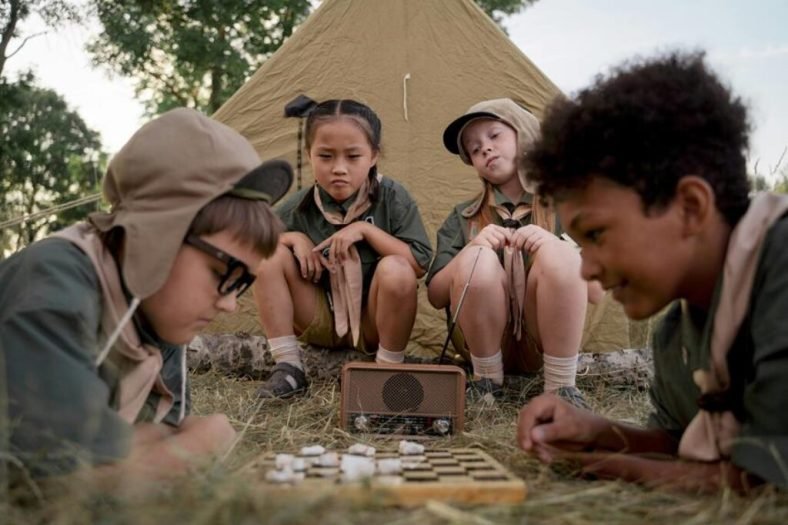
    Imagine the crackling of the fire, the shadows dancing in the night, and the anticipation of a fun-filled evening. As you gather around the campfire with friends or family, the question arises: what are the best games to play in this cozy setting? Classic campfire games offer a timeless appeal and a chance to bond over shared laughter and thrilling stories. But what other exciting options are out there to elevate your campfire experience? Explore a variety of engaging activities that will keep everyone entertained and create lasting memories under the starlit sky.

    Classic Campfire Games

    When gathering around the campfire, consider playing classic games like charades or ghost stories to entertain everyone. Charades is a timeless game that can bring laughter and excitement to your camping experience. It’s a simple yet engaging activity where players act out a word or phrase without speaking, while others guess what it is. This game is perfect for breaking the ice and getting everyone involved in the fun.

    Ghost stories are another great way to create a spooky atmosphere around the campfire. Sit in a circle, and take turns sharing your scariest tales. The crackling of the fire and the darkness of the night will enhance the eerie feeling, making the stories even more thrilling. Just make sure to have some s’mores ready to lighten the mood afterward!

    Both charades and ghost stories are excellent choices to entertain your fellow campers and make lasting memories together. So, grab a flashlight, gather around the fire, and get ready for a night of classic campfire fun!

    Active Outdoor Games

    For a lively and engaging camping experience, consider incorporating active outdoor games into your campfire gatherings. These games are perfect for energizing the atmosphere and keeping everyone entertained while enjoying the great outdoors.

    One popular active outdoor game is Capture the Flag. Split your group into two teams, each with a designated flag to defend while trying to capture the other team’s flag from their territory. It’s a thrilling game that combines strategy and physical activity, making it ideal for outdoor settings.

    Another exciting option is Ultimate Frisbee. This fast-paced game involves passing the Frisbee down the field to score points. It’s a great way to get everyone moving and having fun together.

    Lastly, consider playing a game of Kick the Can. Place a can in the center of a designated playing area and have one person guard it while the others try to kick the can without getting tagged. It’s a classic game that never fails to bring out the competitive spirit in everyone.

    Storytelling and Mystery Games

    Consider engaging your fellow campers with thrilling storytelling and mystery games around the campfire for a night of suspense and intrigue. Storytelling games like ‘Two Truths and a Lie’ or ‘The Story Circle’ can spark creativity and keep everyone on the edge of their seats. In ‘Two Truths and a Lie,’ each camper takes turns sharing three statements about themselves – two truths and one lie – while the others guess which statement is false. This game encourages campers to share personal anecdotes and test their deduction skills.

    For a more structured mystery game, try ‘Murder in the Dark’ where one camper is secretly designated as the ‘murderer’ and must ‘kill’ others by winking at them without getting caught. The remaining campers become detectives trying to unveil the murderer’s identity before they strike again. This game adds an element of suspense and excitement to the campfire gathering, making it a memorable experience for everyone involved.

    Cooperative and Strategy Games

    Engage your fellow campers in exciting cooperative and strategy games to enhance teamwork and critical thinking skills during your campfire gatherings. Games like ‘The Resistance’ or ‘Werewolf’ encourage players to work together to achieve a common goal while also strategizing and deducing who among them may be working against the group. These games not only provide entertainment but also foster communication and collaboration among participants.

    Another great option is ‘Pandemic,’ where players must work as a team to save the world from deadly diseases by strategizing and coordinating their actions effectively. This cooperative board game challenges players to think ahead, plan carefully, and make decisions as a group to be successful.

    For a more casual yet still strategic option, try ‘Codenames.’ This word-based game requires players to give and interpret one-word clues to uncover their team’s secret agents while avoiding the opposing team’s agents. It’s a fun way to test your teamwork and deduction skills in a relaxed campfire setting. Gather your friends, ignite the campfire, and enjoy these engaging cooperative and strategy games under the starlit sky.

    Camping

    [product_category category=”camping” per_page=”10″ columns=”2″ orderby=”date” order=”rnde”]
  • What Are the Best Techniques for Cooking With Foil Packs?

    What Are the Best Techniques for Cooking With Foil Packs?

    When it comes to cooking with foil packs, mastering the art of sealing and seasoning is key to achieving perfectly cooked dishes bursting with flavor. But did you know that there’s a technique that can take your foil pack cooking to the next level, ensuring each bite is a harmonious blend of textures and tastes? By exploring the nuances of heat distribution and ingredient combinations, you can elevate your foil pack creations to culinary excellence. So, why not uncover the secrets to mastering this technique and revolutionize your cooking experience?

    Benefits of Cooking With Foil Packs

    When cooking with foil packs, you’ll experience quicker cleanup and enhanced flavors due to the ingredients being sealed tightly together. The sealed environment created by the foil allows the ingredients to cook in their juices, enhancing the overall taste of the dish. This method also locks in moisture, ensuring that your food remains juicy and tender.

    Another benefit of cooking with foil packs is the convenience it offers. You can prepare your meals ahead of time, seal them in foil packs, and simply pop them in the oven or on the grill when you’re ready to eat. This makes it ideal for meal prepping or for quick and easy weeknight dinners.

    Additionally, cooking with foil packs is a versatile method that can be used for a variety of dishes, from vegetables and seafood to chicken and even desserts. The individual portions created by the foil packs also make it easy to customize each meal to suit different tastes and dietary preferences. So, next time you’re looking for a hassle-free cooking method that delivers delicious results, give foil packs a try!

    Essential Tools and Ingredients

    To equip yourself for successful cooking with foil packs, gather the necessary tools and ingredients that will ensure a seamless and flavorful culinary experience. When preparing foil packs, you’ll need heavy-duty aluminum foil to wrap your ingredients securely. Make sure you have a sharp knife for cutting the food items to the appropriate size, as well as a cutting board for a stable surface. Additionally, having a variety of seasonings such as salt, pepper, garlic powder, and herbs will enhance the flavors of your dish.

    Other essential tools include a measuring cup and spoons for accurate ingredient quantities, and a brush or olive oil spray to prevent sticking. Ingredients like protein sources (chicken, fish, tofu), vegetables (bell peppers, zucchini, onions), and starches (potatoes, rice) are commonly used in foil pack recipes. Don’t forget to include butter or olive oil for added moisture and flavor. With these tools and ingredients on hand, you’ll be ready to create delicious and hassle-free foil pack meals.

    Tips for Proper Sealing and Cooking

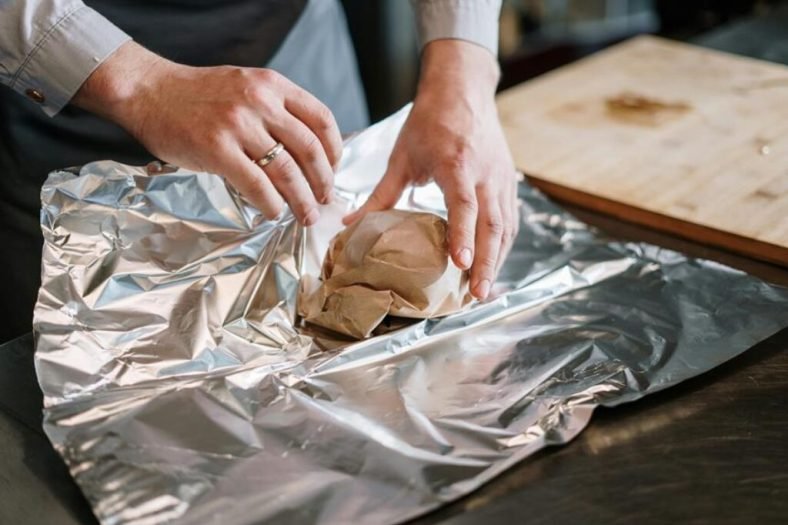
    Ever wondered how to ensure a tight seal when cooking with foil packs? Proper sealing is crucial to lock in flavors and juices while cooking. To achieve a secure seal, start by placing your ingredients in the center of a large piece of foil. Make sure the foil is large enough to fully enclose the contents with extra room for folding.

    Next, bring the long sides of the foil together above the ingredients. Fold them down together, making small, tight folds to create a seal. Repeat this process for the open ends, ensuring no gaps are left for steam to escape. Remember, a tight seal not only traps moisture and flavors but also helps in even cooking.

    When it comes to cooking foil packs, ensure you place them on a preheated grill or in a preheated oven for consistent cooking. Cooking times may vary based on the recipe, so be sure to check for doneness periodically. By mastering the art of proper sealing and cooking, you’ll unlock delicious and effortless meals every time.

    Flavorful Recipes to Try

    For those seeking to elevate their foil pack cooking experience, here are some flavorful recipes to try. Start by preparing a delicious Lemon Herb Chicken foil pack. Combine chicken breasts, lemon slices, garlic, and a mix of fresh herbs like rosemary and thyme. Seal the pack and cook until the chicken is tender and infused with citrusy flavors.

    Another tasty option is the Shrimp Boil foil pack. Toss together shrimp, corn on the cob, sausage slices, and baby potatoes with Old Bay seasoning and a touch of butter. Seal the ingredients in foil and let them steam to perfection, creating a mouthwatering seafood boil.

    For a vegetarian delight, go for the Veggie Medley foil pack. Mix bell peppers, zucchini, cherry tomatoes, and red onion with olive oil, balsamic vinegar, and Italian seasoning. Seal everything in foil and grill until the veggies are tender and bursting with savory goodness.

    These flavorful foil pack recipes are sure to impress your taste buds and make your outdoor cooking experience even more enjoyable.

    Camping

    [product_category category=”camping” per_page=”10″ columns=”2″ orderby=”date” order=”rnde”]

  • Healthy Outdoor Meals for Your Next Adventure

    Healthy Outdoor Meals for Your Next Adventure

    When venturing into the great outdoors, ensuring your body receives the proper nourishment is key to sustaining your energy levels and maximizing your enjoyment of the adventure. Imagine the satisfaction of savoring a hearty meal under the open sky, surrounded by nature’s beauty. Picture yourself indulging in flavorful dishes that not only fill your stomach but also fuel your soul. As you prepare to embark on your next outdoor escapade, let’s explore how you can elevate your outdoor dining experience with a focus on health and taste.

    Pack Nutrient-Dense Snacks

    When preparing for your outdoor adventure, ensure you pack nutrient-dense snacks to keep your energy levels up and your body fueled. Opt for portable options like mixed nuts, dried fruits, granola bars, or trail mix. These snacks aren’t only convenient but also packed with essential nutrients to sustain you throughout your journey. Additionally, consider packing some fresh fruits like apples, oranges, or bananas for a refreshing and natural energy boost.

    Prioritize snacks that are high in complex carbohydrates, healthy fats, and protein to provide you with lasting energy. Avoid sugary snacks that may cause energy spikes followed by crashes, leaving you feeling tired and sluggish. Remember to pack enough snacks to keep you fueled throughout the day, especially if you have a long trek ahead.

    Cook Flavorful One-Pot Meals

    For your outdoor adventure, consider preparing flavorful one-pot meals that are easy to cook and pack a punch of taste and nutrition. One-pot meals are convenient for outdoor cooking as they require minimal equipment and cleanup. Start by choosing a sturdy pot that can withstand open flames or camp stoves. Next, gather your ingredients, such as grains, protein sources like beans or meat, vegetables, and flavorful spices.

    To cook a delicious one-pot meal, begin by sautéing aromatics like onions and garlic in oil. Add your protein and cook until browned, then toss in your grains and vegetables. Pour in broth or water, season generously, and let it simmer until everything is cooked through. Popular one-pot meal options include chili, stew, curry, or risotto. These meals aren’t only tasty but also provide the necessary energy for your outdoor activities.

    Experiment with different combinations of ingredients to create unique flavors that will satisfy your taste buds after a long day of adventuring.

    Prepare Easy Make-Ahead Breakfasts

    Consider preparing simple make-ahead breakfasts to streamline your outdoor dining experience and ensure you start your day right.

    Before heading out on your adventure, whip up overnight oats by mixing oats, milk, yogurt, and your favorite toppings in a jar. Let it sit in the cooler overnight, and voila – a delicious breakfast ready to eat in the morning.

    Another quick option is to make breakfast burritos in advance. Fill tortillas with scrambled eggs, cheese, veggies, and salsa, wrap them in foil, and heat them over the campfire when you wake up.

    For a sweeter treat, bake a batch of muffins or granola bars to grab on the go. These make-ahead breakfasts not only save you time but also provide the energy you need for your outdoor activities.

    Enjoy Refreshing DIY Trail Mixes

    Indulge in creating your own flavorful DIY trail mixes to elevate your outdoor snacking experience. Making your trail mix allows you to customize ingredients to suit your taste and dietary preferences.

    Start with a base of nuts and seeds like almonds, walnuts, pumpkin seeds, and sunflower seeds for a boost of protein and healthy fats. Add in dried fruits such as cranberries, apricots, or raisins for a natural sweetness and a dose of energy.

    For an extra crunch, toss in some pretzels, popcorn, or even dark chocolate chips. Don’t forget to sprinkle in some coconut flakes or chia seeds for added texture and nutrients.

    Mix everything together in a large bowl and then portion them out into individual snack bags for easy grabbing while on the trail. These DIY trail mixes aren’t only delicious but also provide a good balance of carbohydrates, protein, and fats to keep you fueled during your outdoor adventures.

    Camping

    [product_category category=”camping” per_page=”10″ columns=”2″ orderby=”date” order=”rnde”]
  • Best Tent Camping Locations in National Parks and Wilderness Areas

    Best Tent Camping Locations in National Parks and Wilderness Areas

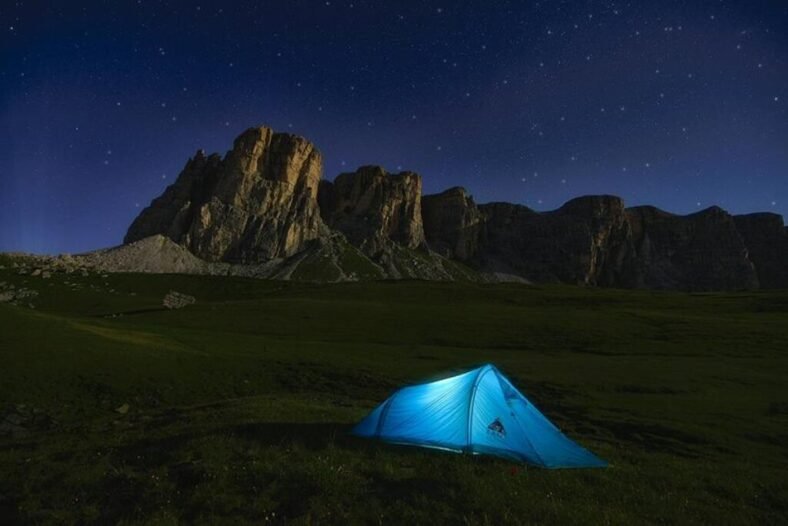
    When searching for the best tent camping spots in national parks and wilderness areas, it’s crucial to consider factors like solitude and natural beauty. Imagine waking up to the sound of birds chirping and the gentle rustle of leaves in the wind. Picture yourself surrounded by towering trees or majestic mountains, far from the hustle and bustle of everyday life. These camping locations offer a chance to truly disconnect and reconnect with the world around you. But what makes a camping spot truly exceptional? Keep reading to uncover some hidden gems that will take your wilderness experience to the next level.

    Top Picks for Camping in National Parks

    When selecting your ideal camping spot in a national park, prioritize tranquility and seclusion for a truly immersive outdoor experience. Look for campsites tucked away from major trails and roads to ensure peace and quiet during your stay. Consider choosing a spot near a babbling brook or a serene lake for added relaxation. National parks offer a plethora of camping options, ranging from developed campgrounds with facilities to more primitive sites for those seeking a true wilderness experience.

    For a top pick, consider camping in the majestic Yosemite National Park. With its towering granite cliffs, stunning waterfalls, and diverse wildlife, Yosemite provides a breathtaking backdrop for your camping adventure. The park offers various campgrounds, including some that require reservations well in advance.

    Another excellent choice is Great Smoky Mountains National Park, known for its misty mountains, lush forests, and abundant wildflowers. Whether you prefer mountain vistas or peaceful meadows, this park has a campsite to suit your preferences. Remember to check for any permit requirements or restrictions before embarking on your camping trip.

    Hidden Gem Wilderness Camping Spots

    Explore lesser-known wilderness camping spots for a unique and secluded outdoor experience. While popular camping locations have their charm, hidden gem wilderness spots offer a special kind of adventure for those willing to seek them out. Imagine pitching your tent in a remote wilderness area, surrounded by untouched nature and far away from the crowds.

    One such hidden gem is the Gates of the Arctic National Park in Alaska. This remote park offers pristine wilderness, rugged mountains, and abundant wildlife. Camping here provides a true backcountry experience where you can disconnect from the world and immerse yourself in the untouched beauty of the Alaskan wilderness.

    Another hidden gem is the Boundary Waters Canoe Area Wilderness in Minnesota. This vast wilderness area boasts thousands of interconnected lakes, making it a paddler’s paradise. Setting up camp along the shores of a tranquil lake offers a peaceful and serene experience that’s unmatched in more popular camping locations.

    For a truly unique and secluded camping adventure, consider exploring these hidden gem wilderness camping spots for an unforgettable outdoor experience.

    Must-Visit Seaside Camping Locations

    Discover picturesque seaside camping locations that promise breathtaking views and unforgettable experiences for nature enthusiasts and beach lovers alike. Imagine waking up to the sound of waves crashing against the shore and the salty sea breeze gently caressing your face.

    One must-visit destination is Acadia National Park in Maine, offering seaside campsites with stunning ocean views and access to rugged coastlines perfect for exploration.

    For a more tropical experience, consider camping at Dry Tortugas National Park in Florida. Located off the coast of Key West, this remote island paradise provides pristine beaches, crystal-clear waters for snorkeling, and incredible sunsets over the Gulf of Mexico. You can pitch your tent right on the sandy shores and fall asleep under a blanket of stars.

    Whether you prefer the rocky coastlines of Maine or the sandy beaches of Florida, seaside camping locations offer a unique opportunity to connect with nature and unwind by the water’s edge. Pack your camping gear and get ready for a memorable seaside adventure.

    Adventure-Filled Backcountry Camping Sites

    Embark on thrilling backcountry camping adventures in remote wilderness areas where untamed landscapes and exhilarating challenges await. Discover the raw beauty of nature as you pitch your tent in the heart of the wilderness, far away from the hustle and bustle of civilization. Hike through rugged terrain, following trails that lead you deep into the untamed wilderness, where wildlife roams freely and the stars shine brightly in the night sky.

    Immerse yourself in the serenity of the backcountry as you wake up to the sound of birds chirping and the gentle rustling of the trees. Explore hidden gems off the beaten path, from secluded alpine lakes to majestic mountain peaks. Test your survival skills and push your limits as you navigate through dense forests and rocky ridges, forging unforgettable memories along the way.

    Backcountry camping offers a unique opportunity to disconnect from the modern world and reconnect with nature in its purest form. So pack your gear, lace up your boots, and embark on a wilderness adventure of a lifetime.

    Camping

    [product_category category=”camping” per_page=”10″ columns=”2″ orderby=”date” order=”rnde”]