Category: Gardening

  • How Do You Protect Outdoor Plants During Winter?

    How Do You Protect Outdoor Plants During Winter?

    When winter sets in, it’s crucial to safeguard your outdoor plants to ensure their well-being. From selecting the right cold-hardy varieties to providing adequate insulation and implementing protective coverings, there are various strategies to shield your plants from the cold. But what about those sudden temperature drops or unexpected frost spells that can catch you off guard? Stay tuned to discover some expert tips that could make all the difference in preserving your beloved outdoor plants during the winter months.

    Choosing the Right Plants

    When selecting outdoor plants for winter, prioritize cold-hardy varieties to ensure their survival through the harsh weather conditions. Look for plants like winterberry, conifers, and hellebores that can withstand freezing temperatures and snow. These resilient plants won’t only survive but also thrive during the winter months in your garden. Remember to consider your specific climate and local weather patterns when choosing which plants to introduce to your outdoor space.

    Certain plants, such as pansies, ornamental kale, and witch hazel, aren’t only cold-hardy but also add a pop of color to your winter landscape. These plants can withstand chilly temperatures while providing visual interest and beauty to your outdoor area. By selecting a variety of cold-tolerant plants, you can create a diverse and vibrant winter garden that will bring joy even on the dreariest days.

    Before purchasing your outdoor plants, research their cold-hardiness and care requirements to ensure they’ll thrive in your garden throughout the winter season. With the right selection of plants, you can enjoy a stunning outdoor space all year round.

    Providing Adequate Insulation

    To protect your outdoor plants during winter, ensure they’re adequately insulated against the cold temperatures. Insulation helps prevent the roots and foliage from freezing, which can cause irreversible damage to your plants.

    One effective way to provide insulation is by adding a thick layer of mulch around the base of your plants. This layer acts as a protective barrier, trapping heat in the soil and shielding the roots from extreme cold.

    Another method is to wrap sensitive plants with burlap or frost cloth. These materials create a buffer against the harsh winter winds and can help maintain a more stable temperature around the plant. Additionally, grouping potted plants together can provide them with extra warmth, as they can share each other’s heat.

    Remember to remove any snow buildup on your plants, as heavy snow can weigh down branches and cause breakage. By taking these steps to provide adequate insulation, you can help your outdoor plants survive the winter months and thrive come springtime.

    Implementing Protective Coverings

    Consider using breathable materials like burlap or frost cloth to create protective coverings for your outdoor plants during winter. These materials offer insulation against harsh weather conditions while allowing air circulation to prevent humidity buildup.

    When applying protective coverings, ensure they’re securely fastened to prevent them from being blown away by strong winds. Wrapping plants with burlap or frost cloth can shield them from freezing temperatures and frost, reducing the risk of damage to delicate foliage and tender shoots.

    To create a protective barrier, drape the chosen material over the plant and secure it with stakes or clips. Make sure the covering reaches the ground to trap heat and protect the plant’s lower portion. Avoid wrapping plants too tightly, as this can restrict growth and cause damage.

    Check the coverings regularly for any signs of wear or tear, and replace them if necessary to maintain effective protection throughout the winter months. By implementing these protective coverings, you can safeguard your outdoor plants and help them survive the cold season.

    Monitoring and Adjusting Care

    Regularly assess the condition of your outdoor plants and make necessary adjustments to their care routine to ensure they thrive during the winter months. Monitor the soil moisture levels by checking if the soil feels dry or overly wet; adjust watering frequency accordingly.

    Keep an eye on the weather forecast to anticipate temperature drops or frost, and take preemptive measures like adding extra mulch or protective coverings. Inspect your plants for any signs of damage, disease, or pests, and address any issues promptly.

    Trim back any dead or damaged branches to encourage healthy growth. Consider moving potted plants to more sheltered areas if extreme weather conditions are expected. Adjust fertilizer applications to reflect the reduced growth rate of plants during the winter.

    Garden

    [product_category category=”garden” per_page=”10″ columns=”2″ orderby=”date” order=”rnde”]
  • How to Create a Themed Garden for Any Occasion

    How to Create a Themed Garden for Any Occasion

    When it comes to creating a themed garden for any occasion, the key lies in the art of transformation. Picture this: your garden, a blank canvas awaiting your vision. As you carefully select elements that harmonize with your chosen theme, each step brings you closer to a space that mirrors your imagination. The process of curating a themed garden not only cultivates an outdoor haven but also serves as a reflection of your creativity and style. So, as you embark on this journey of botanical artistry, be prepared to unlock a world of endless possibilities and nature’s wonders, all within your very own garden.

    Selecting the Perfect Theme

    When choosing the perfect theme for your garden, consider your personal preferences and the overall aesthetic you want to achieve. Think about what brings you joy and relaxation. Do you prefer a vibrant and colorful space, or a more serene and minimalist environment? Your garden’s theme should reflect your style and personality. If you love spending time by the beach, a coastal theme with sandy hues and seashell decorations could be ideal. For those who enjoy a touch of whimsy, a fairy garden theme with tiny houses and twinkling lights might be perfect.

    Consider the size and location of your garden when selecting a theme. A tropical theme with lush greenery and exotic flowers mightn’t suit a small urban garden, but could thrive in a larger backyard with ample sunlight. Remember, the theme you choose should bring you joy and make your outdoor space a place where you can relax and unwind.

    Planning Your Garden Layout

    To effectively plan your garden layout, consider utilizing a grid system to map out designated areas for different elements. This method will help you visualize how each section of your themed garden will flow and interact with one another. Begin by sketching a rough outline of your garden space and then divide it into smaller sections using the grid system. Allocate areas for key features like pathways, seating areas, plant beds, and decorative elements based on your chosen theme.

    When planning your garden layout, remember to consider factors such as sunlight exposure, water access, and soil quality to ensure the best conditions for your plants. Position taller plants towards the back of the garden to create depth and avoid obstructing the view of smaller plants. Incorporate focal points like sculptures, birdbaths, or themed decorations strategically within the layout. By organizing your garden in a structured manner, you can create a cohesive and visually appealing space that reflects your chosen theme effectively.

    Choosing Plants and Decor

    Consider incorporating a diverse selection of plants and decor elements that align with your chosen theme when designing your garden. Start by choosing plants that not only fit the aesthetic of your theme but also thrive in your local climate. For a tropical theme, opt for lush greenery like palms and colorful flowers such as hibiscus. If you’re going for a zen garden, select minimalist plants like bamboo or Japanese maple trees.

    Enhance your theme with appropriate decor elements. For a whimsical fairy garden, add tiny fairy houses, miniature furniture, and whimsical figurines. To create a Mediterranean vibe, incorporate terracotta pots, wrought iron accents, and vibrant tiles. Remember to consider the scale of your garden and choose decor that complements rather than overwhelms the space.

    Incorporating plants and decor that align with your theme will tie the elements of your garden together, creating a cohesive and visually appealing space. Be creative and have fun experimenting with different combinations to bring your themed garden to life.

    Adding Personal Touches

    Infuse your themed garden with unique personal touches to make it truly reflect your individual style and personality. Consider incorporating items that hold sentimental value, such as a vintage bench passed down through generations or quirky garden gnomes that bring a touch of whimsy. Showcase your creativity by hand-painting stones with inspiring quotes or creating DIY plant markers using recycled materials. Personalized signs, wind chimes with a special meaning, or even a dedicated spot for a favorite outdoor hobby can add a distinctive flair to your garden.

    To further enhance the personalization of your themed garden, integrate elements that resonate with your interests and passions. If you love reading, create a cozy reading nook surrounded by fragrant flowers. For music enthusiasts, install outdoor speakers to enjoy your favorite tunes while tending to your plants. Additionally, consider planting flowers in your favorite colors or arranging seating areas that invite relaxation and reflection.

    Garden

    [product_category category=”garden” per_page=”10″ columns=”2″ orderby=”date” order=”rnde”]
  • What Are the Best Soil Mixes for Indoor Gardening?

    What Are the Best Soil Mixes for Indoor Gardening?

    When it comes to nurturing your indoor garden, selecting the right soil mix is crucial. Each component plays a significant role in providing your plants with the ideal growing environment. But how do you know which combination will yield the best results for your specific indoor gardening needs? By understanding the properties of peat moss, perlite, vermiculite, and compost, you can begin to uncover the secrets behind crafting the perfect soil mix. So, are you ready to elevate your indoor gardening game and unlock the potential of your plants?

    Benefits of Using Peat Moss

    When gardening indoors, incorporating peat moss into your soil mix enriches it with essential nutrients and improves moisture retention. Peat moss, a natural organic material derived from decomposed sphagnum moss, acts as a fantastic soil conditioner. It boosts the soil’s ability to hold onto vital nutrients like nitrogen, phosphorus, and potassium, helping your indoor plants thrive.

    Additionally, peat moss has excellent water retention properties, ensuring your plants receive adequate moisture without becoming waterlogged. This is particularly beneficial for indoor gardening, as it helps maintain the right balance of hydration for your plants, reducing the risk of overwatering or underwatering.

    The fluffy texture of peat moss also aids in promoting root growth and aeration within the soil, allowing your plants to develop strong and healthy root systems. With peat moss in your soil mix, you’ll provide your indoor plants with the optimal environment they need to flourish.

    Importance of Perlite in Soil Mixes

    Adding perlite to your soil mix is crucial for enhancing aeration and drainage, vital for the health of your indoor plants. Perlite is a lightweight, porous material that helps improve soil structure by preventing compaction. Its high porosity allows for better oxygen circulation around the plant roots, promoting healthy growth. Additionally, perlite aids in water retention without causing waterlogged conditions, preventing root rot and other moisture-related issues.

    Understanding Vermiculite for Indoor Gardening

    To enhance moisture retention and provide aeration in your indoor garden soil mix, understanding the role of vermiculite is essential. Vermiculite is a mineral that undergoes a process called exfoliation, where it expands and becomes a lightweight material with excellent water retention properties. When added to soil mixes, vermiculite helps prevent compacting, allowing roots to access oxygen and water more easily. Its ability to hold moisture without becoming waterlogged makes it ideal for plants that prefer consistently moist soil.

    In indoor gardening, vermiculite is particularly beneficial for houseplants that require well-draining soil, such as succulents or herbs. Mixing vermiculite into your potting soil can improve the overall structure, preventing soil from becoming too dense and aiding in root development. Additionally, vermiculite is sterile, so it won’t introduce weed seeds or pathogens into your indoor garden.

    When incorporating vermiculite into your soil mix, aim for a balanced ratio to optimize moisture retention and aeration without risking waterlogging. Experiment with different proportions to find the mix that best suits the needs of your indoor plants.

    The Role of Compost in Soil Blends

    Incorporate compost into your soil blends to enrich the nutrient content and improve soil structure for your indoor plants. Compost is a valuable organic matter that adds essential nutrients like nitrogen, phosphorus, and potassium to the soil, promoting healthy plant growth.

    It also enhances the soil’s ability to retain moisture, ensuring your plants have a consistent water supply. Additionally, compost helps create a well-aerated soil structure, allowing roots to penetrate easily and access oxygen efficiently.

    When preparing your soil mix, aim to include compost at a ratio of about 10-20%, depending on the specific needs of your plants. You can either make your own compost using kitchen scraps and yard waste or purchase it from a local nursery.

    Whichever method you choose, the addition of compost will significantly contribute to the overall health and vitality of your indoor garden, resulting in thriving plants and lush greenery.

    Garden

    [product_category category=”garden” per_page=”10″ columns=”2″ orderby=”date” order=”rnde”]
  • Achieving Balance Between Hardscaping and Softscaping

    Achieving Balance Between Hardscaping and Softscaping

    When it comes to your outdoor space, striking the right balance between hardscaping and softscaping can truly transform the ambiance. Picture a serene oasis that seamlessly blends structured elements with lush greenery, creating a haven of tranquility right in your backyard. But how do you achieve this delicate equilibrium without overpowering one aspect over the other? Let’s explore some key strategies that can help you craft a harmonious outdoor retreat that beckons you to unwind and revel in nature’s beauty.

    Importance of Hardscaping and Softscaping

    Achieving the perfect balance between hardscaping and softscaping in your outdoor space is crucial for creating a harmonious and visually appealing environment.

    Hardscaping elements such as pathways, patios, and retaining walls provide structure and definition to your landscape. They help in organizing the space and creating functional areas for various activities like dining, lounging, or entertaining.

    On the other hand, softscaping elements like plants, flowers, and trees bring life, color, and texture to the outdoor setting. They soften the hardscape features, adding a sense of tranquility and natural beauty to the overall design.

    Design Strategies for Balance

    To achieve a harmonious balance between hardscaping and softscaping in your outdoor space, consider incorporating design strategies that seamlessly blend both elements.

    Start by creating focal points using hardscaping features like a well-placed pergola or a striking water feature, then soften these focal points with lush greenery or colorful flowers.

    Incorporating pathways lined with plants or incorporating planters into your hardscape design can also help create a cohesive look.

    Another effective strategy is to use hardscaping materials that complement the colors and textures of your softscaping elements. For example, if you have vibrant flowers in your garden, consider using hardscaping materials in neutral tones to let the plants stand out.

    Additionally, incorporating curves in your hardscape design can help soften the overall look of your outdoor space.

    Selecting Complementary Materials

    When selecting materials for your outdoor space, ensure they complement both your hardscaping and softscaping elements to achieve a cohesive and visually appealing design. Start by considering the colors, textures, and styles of your hardscaping features. For example, if you have a modern patio with clean lines, choosing materials like concrete or metal for your furniture can enhance the overall look. On the other hand, if your softscaping includes lush greenery and a more natural feel, opt for materials like wood or wicker to create a harmonious blend.

    Additionally, think about the durability and maintenance requirements of the materials you choose. Select materials that can withstand the elements in your area and are easy to clean and maintain. This will ensure that your outdoor space remains beautiful and functional for years to come. By carefully selecting complementary materials for your hardscaping and softscaping elements, you can create a balanced and inviting outdoor oasis.

    Maintenance Tips for Longevity

    For your outdoor space to maintain its beauty and functionality over time, regular maintenance is essential. To ensure the longevity of your hardscaping and softscaping elements, there are key maintenance tips to keep in mind.

    Start by regularly inspecting your outdoor space for any signs of wear and tear. Check for cracks in the hardscaping materials, overgrown plants, or drainage issues. Addressing these problems promptly can prevent further damage and costly repairs.

    When it comes to hardscaping, such as patios or walkways, regularly sweeping away debris and dirt can prevent staining and deterioration. Additionally, power washing these surfaces once or twice a year can help maintain their appearance.

    For softscaping elements like plants and flowers, make sure to water them adequately and trim them as needed. Removing dead foliage and flowers not only keeps your outdoor space looking tidy but also promotes healthy growth.

    Garden

    [product_category category=”garden” per_page=”10″ columns=”2″ orderby=”date” order=”rnde”]
  • What Are Some Easy Garden Design Tips for Beginners?

    What Are Some Easy Garden Design Tips for Beginners?

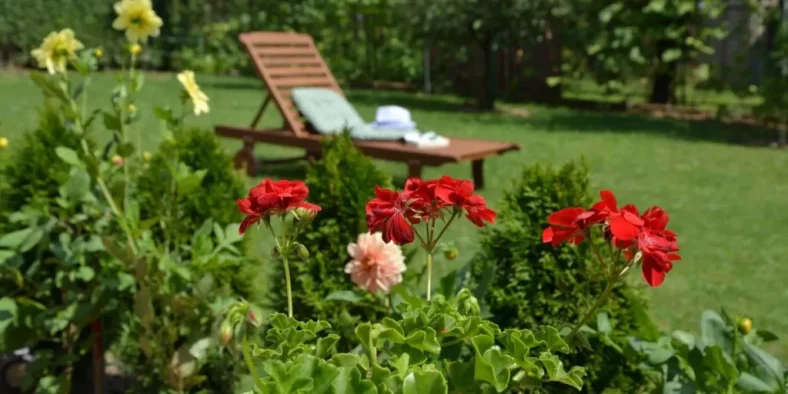
    When venturing into garden design as a beginner, the key lies in mastering the basics. Understanding how sunlight and soil characteristics influence plant selection sets a strong foundation. Yet, there’s more to it than just that. By strategically placing plants based on their needs and considering elements like paths and borders, you can transform a simple garden into a harmonious outdoor haven. The real magic, however, unfolds when you infuse your personality into the design. So, how can you elevate your garden design game from novice to nature artist?

    Choosing the Right Plants

    When selecting plants for your garden, consider factors like sunlight exposure and soil quality to ensure they thrive. Sunlight is crucial for plant growth, so observe your garden throughout the day to determine which areas receive full sun, partial sun, or shade. Different plants have varying sunlight requirements, so matching them to the right spot is key. Assess your soil quality by conducting a simple soil test to understand its pH level and composition. Some plants prefer acidic soil, while others thrive in alkaline conditions. By knowing your soil type, you can select plants that will flourish in your specific garden environment.

    Research the mature size of plants before purchasing to prevent overcrowding in your garden. Make sure to choose plants that fit the available space and won’t obstruct each other’s growth. Consider the maintenance requirements of each plant to ensure you can provide the care they need. Selecting a variety of plants with different blooming periods can ensure your garden remains colorful throughout the seasons. Remember, choosing the right plants is the foundation of a successful garden design.

    Understanding Sunlight and Water Needs

    To ensure your garden thrives, understanding the sunlight and water needs of your plants is essential. Different plants require varying levels of sunlight to photosynthesize effectively. Before planting, observe your garden throughout the day to identify areas with full sun, partial shade, or full shade. Sun-loving plants like tomatoes and peppers thrive in full sunlight, while ferns and hostas prefer shady spots. Place your plants accordingly to ensure they receive the appropriate amount of sunlight for optimal growth.

    In addition to sunlight, water is crucial for plant survival. Some plants, like succulents, prefer drier conditions and can withstand periods of drought. Others, such as hydrangeas and ferns, require more frequent watering to thrive. When planning your garden, consider grouping plants with similar water needs together. This way, you can efficiently water them without over or under-watering specific plants. Remember to water deeply but infrequently to encourage deep root growth and overall plant health.

    Incorporating Paths and Borders

    Consider incorporating paths and borders into your garden design to enhance both functionality and aesthetic appeal. Paths not only provide practical access to different areas of your garden but also create a sense of structure and organization. They can be made from various materials such as gravel, stepping stones, or bricks, depending on the style you want to achieve.

    Borders, on the other hand, help define different sections of your garden and can be used to separate various plants or highlight specific areas like a flower bed or a vegetable patch.

    When planning your paths and borders, think about how you want visitors to move through your garden and what areas you want to emphasize. Curved paths can lead the eye around the garden, while straight paths create a more formal look. Borders can be simple or intricate, depending on your preference, but should complement the overall design of your garden.

    Adding Personal Touches

    Enhance your garden’s charm by infusing it with your unique personality through thoughtful personal touches. Consider adding elements like quirky garden gnomes, colorful wind chimes, or hand-painted rocks to create a space that truly reflects who you are. Incorporating personalized items such as handmade stepping stones with your initials or a favorite quote can add a special touch to your garden oasis.

    Another way to add a personal flair is by selecting plants that hold sentimental value. Whether it’s a specific flower that reminds you of a cherished memory or a herb that connects you to your cultural roots, planting these in your garden can evoke feelings of nostalgia and joy every time you see them bloom. Additionally, creating a cozy seating area with cushions or a swing where you can relax and unwind can make your garden feel like an extension of your home, tailored to your tastes and preferences.

    Garden

    [product_category category=”garden” per_page=”10″ columns=”2″ orderby=”date” order=”rnde”]
  • Transforming Your Garden With DIY Landscaping Ideas

    Transforming Your Garden With DIY Landscaping Ideas

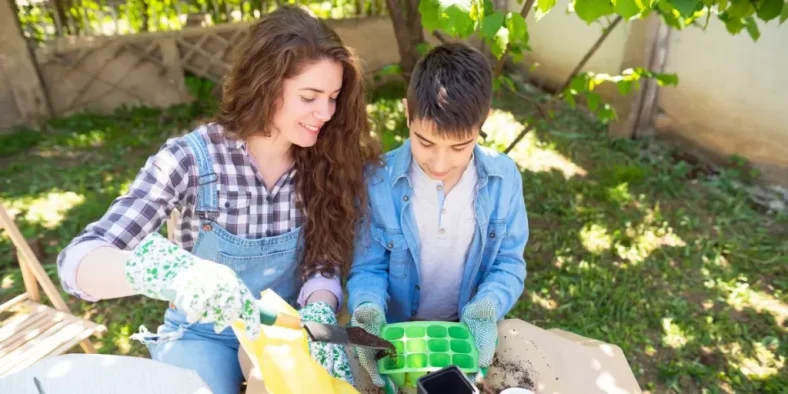
    If you’ve been looking to revamp your outdoor space and breathe new life into your garden, DIY landscaping ideas might just be the answer you’re seeking. Imagine the satisfaction of creating a personalized oasis right in your backyard, tailored to your preferences and needs. From selecting the perfect plants to designing unique pathways, the possibilities are endless. By implementing these ideas, you can truly transform your garden into a haven that reflects your style and provides a serene escape from the daily hustle and bustle.

    Planning Your Garden Layout

    When planning your garden layout, consider the natural lighting and soil conditions to ensure optimal growth for your plants. Start by observing how sunlight moves across your yard throughout the day. This will help you determine which areas receive full sun, partial sun, or shade. Different plants have varying light requirements, so it’s essential to match them with the appropriate locations in your garden.

    Next, assess the soil quality in different areas of your yard. Some plants thrive in well-draining sandy soil, while others prefer rich, loamy soil. You can improve your soil quality by adding organic matter like compost or manure. Understanding your soil type will help you select plants that will flourish in your garden.

    Additionally, consider the layout of your garden beds. Group plants with similar water and sunlight needs together to make watering and maintenance more manageable. Creating a diverse mix of plants will also promote a healthy ecosystem in your garden.

    Incorporating Functional Elements

    To enhance both the aesthetic appeal and functionality of your garden, consider incorporating elements that serve practical purposes alongside your plants. Adding a compost bin not only helps with waste management but also provides nutrient-rich soil for your garden.

    Installing a water feature like a birdbath or a small pond not only attracts wildlife but also adds a calming ambiance to your outdoor space.

    Including a seating area, whether it’s a cozy bench or a set of chairs, allows you to relax and enjoy your garden while taking in the beauty around you.

    Integrate pathways made of materials like gravel, mulch, or stepping stones to create easy access to different areas of your garden and prevent trampling on delicate plants.

    Additionally, setting up a dedicated space for tools and equipment storage ensures everything is organized and within reach when needed.

    Adding Creative Hardscaping Features

    Consider incorporating unique hardscaping features to add character and functionality to your garden design. Hardscaping elements, such as pathways, patios, and decorative walls, can transform your outdoor space into a visually appealing and practical area.

    One creative idea is to use reclaimed materials like old bricks or stones to build a charming pathway that adds a rustic touch to your garden. Incorporating a water feature, like a small fountain or a pond, can also enhance the ambiance of your garden while attracting birds and wildlife.

    To create a cozy gathering spot, consider adding a fire pit surrounded by comfortable seating where you can relax and entertain guests on cool evenings. Another interesting hardscaping feature to consider is a pergola or arbor, which not only adds visual interest but also provides a structure for climbing plants like vines or flowers. These features can add vertical dimension to your garden and create a sense of enclosure and privacy.

    Enhancing With Seasonal Plants and Flowers

    Enhance your garden’s beauty and vibrancy by incorporating a variety of seasonal plants and flowers. Start by researching which plants flourish best in your specific climate during each season. For spring, consider tulips, daffodils, and pansies to bring bursts of color. Summer blooms like roses, sunflowers, and hydrangeas can add a lush feel to your garden. In the fall, opt for chrysanthemums, asters, and ornamental kale for a cozy and warm atmosphere. Winter-friendly plants such as holly bushes, winter jasmine, and ornamental cabbages can brighten up your garden during the colder months.

    When planning your garden, think about the different heights, colors, and textures each plant offers. Mixing various seasonal plants strategically can create a dynamic and visually appealing landscape. Additionally, don’t forget to consider the blooming times of each plant to ensure a continuous display of colors throughout the year. By incorporating seasonal plants and flowers, you can transform your garden into a vibrant and ever-changing oasis for you to enjoy.

    Garden

    [product_category category=”garden” per_page=”10″ columns=”2″ orderby=”date” order=”rnde”]
  • What Are the Best Ideas for Designing a Herb Garden?

    What Are the Best Ideas for Designing a Herb Garden?

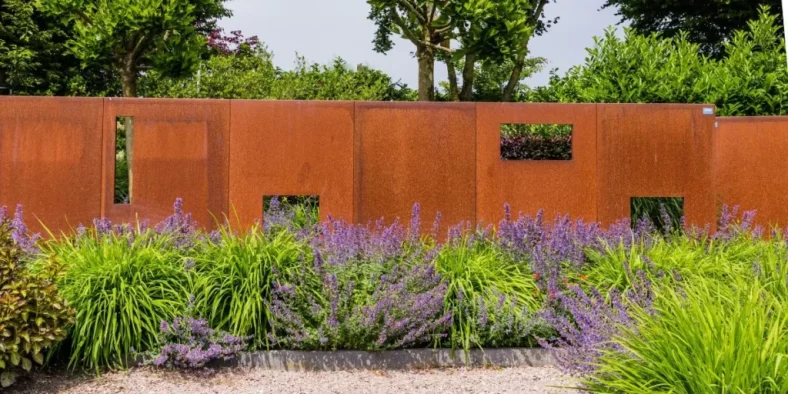
    When designing a herb garden, you’ll find that the key lies in a thoughtful approach to location, layout, and plant selection. By understanding the sunlight needs of your herbs, grouping them strategically, and incorporating both aesthetic and practical elements into your garden design, you set the stage for success. But, there’s more to it than just that. Stay tuned to discover how you can take your herb garden from ordinary to extraordinary with a few simple yet effective strategies that will elevate your gardening experience.

    Location and Layout Considerations

    When planning your herb garden, consider the ideal location and layout to ensure optimal growth and accessibility. Start by choosing a spot that receives at least 6-8 hours of sunlight daily. Most herbs thrive in full sun, so pick a sunny area in your yard or balcony. Ensure the location is easily accessible for watering, harvesting, and tending to your plants.

    Next, think about the layout of your herb garden. Consider grouping herbs with similar water and sunlight needs together. This will make maintenance easier and ensure that each herb receives the care it requires. You can also design your garden in a way that’s visually appealing, such as arranging herbs based on height or color.

    Additionally, when planning the layout, keep in mind the convenience of accessing your herbs for culinary use. Plant frequently used herbs closer to your kitchen for easy harvesting. By strategically placing your herbs and considering their needs, you can create a functional and beautiful herb garden that enhances your cooking and outdoor space.

    Choosing the Right Herbs

    Consider the specific culinary and medicinal needs you have in mind when selecting the herbs for your garden. Think about the dishes you enjoy cooking and the herbs that complement them. For instance, if you frequently make Italian dishes, basil, oregano, and thyme are excellent choices. If you’re a tea enthusiast, consider growing herbs like chamomile, mint, and lemongrass.

    When choosing herbs, also think about their growth requirements. Some herbs, like rosemary and lavender, prefer drier soil and lots of sunlight, while others, such as parsley and cilantro, thrive in shadier spots with more moisture. Make sure the herbs you choose are suitable for your climate and that you can provide the necessary care they need to flourish.

    Furthermore, consider the space you have available and how much of each herb you’re likely to use. It’s better to start small and expand later than to overcrowd your garden with herbs you may not use frequently. Selecting the right herbs tailored to your preferences and garden conditions will ensure a successful and enjoyable herb garden.

    Incorporating Functional Design Elements

    To enhance the practicality and aesthetics of your herb garden, incorporate functional design elements that cater to both your needs and the herbs’ requirements. Consider adding raised beds for better drainage and soil aeration, especially if your garden soil is compacted. Raised beds also make it easier to access your herbs for planting, pruning, and harvesting.

    Integrate pathways using materials like gravel or stepping stones to provide clear walkways and prevent soil compaction. Installing a drip irrigation system can ensure your herbs receive consistent water without wastage, promoting healthy growth while saving time on manual watering.

    Maximize space by incorporating vertical elements such as trellises or hanging planters to grow climbing herbs like mint or thyme. Utilize labels or markers to identify each herb variety accurately, aiding in maintenance and harvesting. Additionally, including seating areas or a small table can transform your herb garden into a relaxing space for enjoying your harvest or hosting gatherings.

    Maintaining and Caring for Your Herb Garden

    Ensure your herb garden thrives by implementing a consistent maintenance routine that includes watering, pruning, and monitoring for pests and diseases. Water your herbs regularly, ensuring the soil is moist but not waterlogged. Different herbs have varied watering needs, so be mindful of individual requirements.

    Trim your herbs frequently to encourage new growth and prevent them from becoming leggy. Pruning also helps maintain the shape of the plants and improves air circulation, reducing the risk of diseases.

    Keep a close eye on your herb garden for any signs of pests or diseases. Early detection is crucial for effective treatment. Consider using natural remedies or organic pesticides to protect your herbs while minimizing any harmful effects on the environment. Regularly inspect the leaves, stems, and soil for any abnormalities.

    Garden

    [product_category category=”garden” per_page=”10″ columns=”2″ orderby=”date” order=”rnde”]
  • What Are the Best Indoor Plants for Beginners?

    What Are the Best Indoor Plants for Beginners?

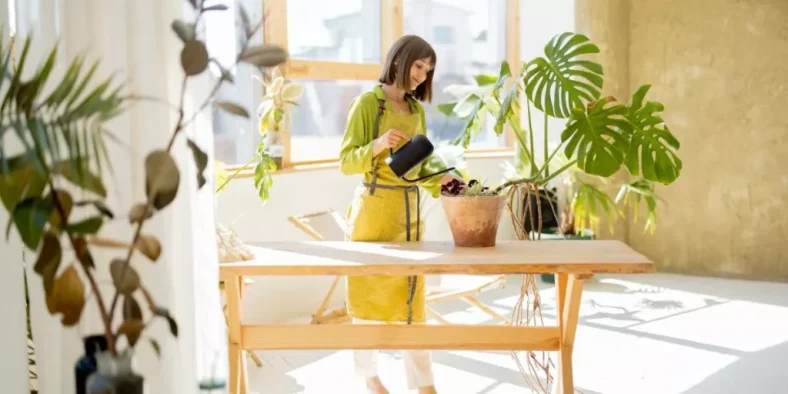
    If you’ve been contemplating bringing some greenery indoors but feel unsure about where to start, consider exploring the realm of beginner-friendly indoor plants. These green companions not only add a touch of nature to your living space but also come with a host of benefits. From purifying the air to boosting your mood, these plants offer more than just aesthetics. So, if you’re curious about which plants are the best for beginners, let’s uncover the top picks together.

    Benefits of Indoor Plants for Beginners

    If you’re new to indoor gardening, embracing plants can significantly boost your well-being and living space ambiance. The presence of indoor plants has been linked to various health benefits. Plants help purify the air by absorbing toxins and releasing oxygen, creating a fresher environment for you to breathe in. Additionally, caring for plants can reduce stress and anxiety levels, providing a calming effect on your overall mood.

    Having indoor plants also adds a touch of nature to your living space, making it feel more vibrant and welcoming. The greenery can improve your concentration and productivity, making it an ideal addition to your home office or study area. Furthermore, plants have been known to help regulate humidity levels in indoor spaces, promoting better respiratory health.

    Incorporating plants into your living space can also enhance your creativity and boost your mood. The act of nurturing a plant and watching it grow can bring a sense of accomplishment and fulfillment. Overall, indoor plants aren’t only aesthetically pleasing but also offer numerous advantages for your well-being and mental health.

    Top 5 Easy-to-Care-For Plants

    Embracing indoor plants can be a rewarding experience, especially when starting with easy-to-care-for options that require minimal maintenance. If you’re new to indoor gardening, consider these top 5 plants that are known for their resilience and forgiving nature.

    1. Snake Plant (Sansevieria): This plant thrives in low light and only needs occasional watering, making it perfect for beginners.
    2. Spider Plant (Chlorophytum comosum): Spider plants are adaptable and can thrive in various conditions. They’re great for purifying the air.
    3. Pothos (Epipremnum aureum): Pothos is practically indestructible and can survive with little light and irregular watering.
    4. ZZ Plant (Zamioculcas zamiifolia): ZZ plants are virtually impossible to kill. They can go for weeks without water and can adapt to different light conditions.
    5. Peace Lily (Spathiphyllum): Peace lilies are elegant plants that thrive in low light and let you know when they need water by drooping slightly.

    These easy-to-care-for plants are excellent choices for beginners looking to bring some greenery indoors without the stress of high maintenance.

    Tips for Successful Indoor Gardening

    For successful indoor gardening, prioritize understanding your plants’ specific needs and creating a consistent care routine. Different plants require varying amounts of light, water, and humidity levels. Research the specific requirements of each plant you own to ensure they thrive. Consider factors like the plant’s ideal lighting conditions, watering frequency, and preferred temperature range.

    Consistency is key when caring for indoor plants. Develop a routine that includes checking your plants regularly for signs of distress or pests, watering them as needed, and providing the necessary nutrients. Set a schedule for watering and stick to it to prevent overwatering or underwatering. Remember to rotate your plants occasionally to ensure they receive even light exposure on all sides.

    Additionally, make sure to choose the right containers with proper drainage to prevent waterlogged soil. Use high-quality potting mix and fertilize your plants appropriately during their growing season. Finally, stay observant and responsive to your plants’ changing needs to promote healthy growth and beautiful foliage in your indoor garden.

    Common Mistakes to Avoid

    Learning from mistakes is crucial in indoor gardening to ensure your plants thrive and stay healthy. One common mistake beginners make is overwatering. It’s easy to drown your plants with love, but most indoor plants actually prefer slightly dry conditions. Make sure to check the soil’s moisture level before watering again.

    Another frequent error is placing plants in the wrong light conditions. Different plants have varying light requirements, so it’s essential to research and match them with the appropriate light levels in your home.

    Neglecting regular cleaning can also harm your indoor plants. Dust can accumulate on leaves, blocking sunlight absorption and leading to pest infestations. Wipe your plant’s leaves gently with a damp cloth to keep them clean and healthy.

    Additionally, using the wrong type of soil or pot size can hinder plant growth. Ensure your plants have well-draining soil and pots with drainage holes to prevent root rot.

    Lastly, skipping regular inspection for pests and diseases can cause significant damage. Keep an eye out for any unusual spots, webs, or bugs on your plants, and address them promptly to maintain their well-being.

    Garden

    [product_category category=”garden” per_page=”10″ columns=”2″ orderby=”date” order=”rnde”]

  • What Are the Best Lighting Options for Indoor Gardening?

    What Are the Best Lighting Options for Indoor Gardening?

    When it comes to nurturing your indoor garden, selecting the right lighting is crucial to ensure your plants thrive. LED grow lights, fluorescent options, HID lights, and CFLs each offer unique benefits tailored to different plant needs. The key lies in understanding your plants’ requirements and finding the lighting solution that best suits your setup. So, before you make a decision, consider the factors that will influence your choice and discover the ideal lighting option that will illuminate your indoor garden effectively.

    LED Grow Lights

    When considering indoor gardening, utilizing LED grow lights can significantly enhance plant growth and health. LED grow lights are energy-efficient and emit specific wavelengths of light that cater to the needs of plants at different growth stages. These lights provide the essential light spectrum that plants require for photosynthesis, promoting healthy development.

    LED grow lights are versatile and can be easily adjusted to meet the specific light requirements of different plant varieties. They produce low heat compared to traditional lighting options, reducing the risk of heat damage to your plants. Additionally, LED lights have a longer lifespan, saving you money on replacements in the long run.

    One of the key advantages of LED grow lights is their ability to produce light in a targeted manner, ensuring that plants receive the right amount of light without wastage. This targeted approach maximizes the efficiency of light absorption by plants, leading to improved growth rates and better yields. Overall, incorporating LED grow lights into your indoor gardening setup can greatly benefit the health and vitality of your plants.

    Fluorescent Lighting

    Fluorescent lighting offers a cost-effective and efficient solution for indoor gardening, providing a reliable source of light for plant growth. These lights are popular among indoor gardeners due to their affordability, energy efficiency, and versatility. Fluorescent bulbs come in two main types: T5 and T8. T5 bulbs are more energy-efficient and produce brighter light, making them ideal for seed starting and early plant growth stages. On the other hand, T8 bulbs are slightly less efficient but still effective for providing supplemental light to indoor plants.

    When using fluorescent lighting for indoor gardening, it’s essential to position the lights correctly to ensure uniform light distribution to all plants. Hanging the lights with adjustable chains or fixtures allows you to maintain the ideal distance between the light source and your plants as they grow. Additionally, fluorescent lights emit less heat compared to other lighting options, reducing the risk of heat damage to your plants.

    High-Intensity Discharge (HID) Lights

    For a more intense lighting option in your indoor garden, consider High-Intensity Discharge (HID) lights, which offer powerful illumination for robust plant growth. HID lights are known for their high light output, making them ideal for plants that require high light intensity, such as fruits and flowering plants. These lights consist of a bulb filled with gas and metal salts that produce light when an electrical current passes through them.

    There are two main types of HID lights commonly used for indoor gardening: Metal Halide (MH) and High-Pressure Sodium (HPS) lights. Metal Halide lights emit a bluish-white light that’s perfect for the vegetative growth stage of plants, promoting strong stems and lush foliage. On the other hand, High-Pressure Sodium lights produce a reddish-orange spectrum that’s ideal for the flowering phase, encouraging blooming and fruiting.

    When using HID lights, it’s essential to monitor the distance between the light source and your plants to prevent light burn. Additionally, HID lights require ballasts to regulate the electrical current, ensuring the lights function correctly and efficiently.

    Compact Fluorescent Lamps (CFLs)

    Consider using Compact Fluorescent Lamps (CFLs) for a cost-effective and energy-efficient lighting solution in your indoor garden. CFLs are known for their affordability, making them a popular choice for many indoor gardeners. These lamps produce light by passing an electric current through a tube containing argon and a small amount of mercury vapor, which generates ultraviolet light that then excites the phosphor coating inside the tube, producing visible light.

    CFLs are energy-efficient, using about 75% less energy than traditional incandescent bulbs. This not only helps you save on electricity bills but also reduces your environmental impact. CFLs also produce less heat compared to other types of lighting, which can help maintain a more consistent temperature in your indoor garden.

    When using CFLs for indoor gardening, it’s essential to consider the color temperature of the bulbs. Different stages of plant growth require different light spectrums, so selecting the right color temperature can support optimal plant growth and development. Overall, CFLs are a practical and efficient lighting option for indoor gardening enthusiasts looking to create a thriving garden while keeping costs down.

    Garden

    [product_category category=”garden” per_page=”10″ columns=”2″ orderby=”date” order=”rnde”]
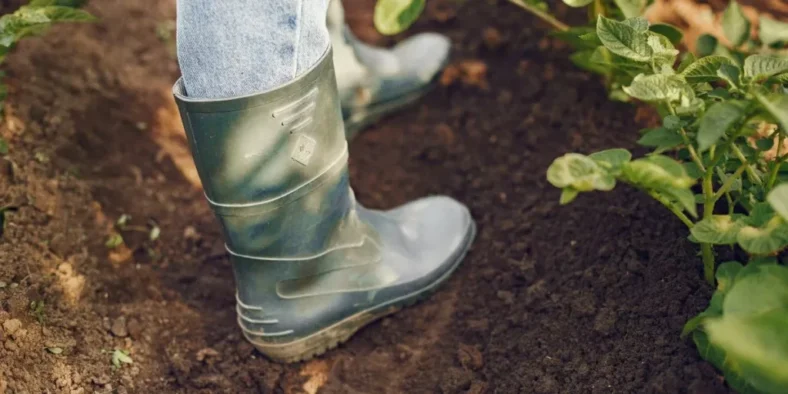
  • Why Is It Important to Wear Proper Footwear in the Garden?

    Why Is It Important to Wear Proper Footwear in the Garden?

    When you step into your garden, your choice of footwear can make all the difference. Proper garden shoes go beyond just comfort; they provide crucial support and protection for your feet. Imagine a world where your feet feel cushioned and secure, where sharp objects are no match, and where injuries are kept at bay. How does this translate into a more enjoyable and safe gardening experience? Let’s explore the impact of proper footwear on your gardening endeavors.

    Benefits of Proper Garden Footwear

    Choosing the right footwear for gardening ensures comfort, support, and protection for your feet. When you step into the garden, you need shoes that can handle the various terrains and tasks you’ll encounter. Proper garden footwear provides cushioning to absorb shock as you walk on uneven surfaces, reducing strain on your feet and joints. Additionally, the right shoes offer arch support to prevent discomfort and potential injuries during long hours of gardening.

    Garden footwear also protects your feet from sharp objects, thorns, and moisture. Closed-toe shoes or boots shield your feet from accidental cuts or scrapes, while waterproof options keep your feet dry and comfortable when working in damp conditions. By wearing the appropriate footwear, you can enjoy your time in the garden without worrying about potential hazards harming your feet.

    Investing in quality garden shoes or boots not only enhances your comfort but also promotes better posture and overall foot health. Prioritize footwear that fits well, provides adequate support, and is durable enough to withstand the demands of gardening tasks. Your feet will thank you for choosing the right footwear for your gardening adventures.

    Impact on Foot Health

    Quality garden footwear is essential for maintaining optimal foot health while engaging in gardening activities. Proper footwear offers support and protection, crucial for tasks like standing for extended periods, walking on uneven surfaces, and handling tools. This can prevent issues such as plantar fasciitis, blisters, and arch pain.

    Choosing garden shoes or boots with cushioning and arch support can reduce impact on feet and lower limbs, helping distribute body weight evenly. This can prevent foot conditions from prolonged standing or walking on hard surfaces. Footwear with good traction can also prevent slips and falls, further safeguarding foot health.

    Injury Prevention Strategies

    Proper selection of garden footwear is essential for implementing effective injury prevention strategies. When working in the garden, it’s crucial to prioritize safety to avoid common injuries such as cuts, scrapes, sprains, and puncture wounds. To prevent these mishaps, opt for closed-toe shoes or boots with sturdy soles to shield your feet from sharp objects like thorns or gardening tools. Additionally, ensure that your footwear fits well to prevent blisters and discomfort that could lead to distraction and potential accidents.

    Another injury prevention strategy is to choose garden shoes with good traction to minimize the risk of slipping on wet or uneven surfaces. Shoes with proper grip can provide stability and support while navigating through various terrains in your garden. Remember to inspect your footwear regularly for signs of wear and tear, replacing them when necessary to maintain their effectiveness in protecting your feet.

    Choosing the Right Garden Shoes

    When selecting the ideal footwear for gardening, prioritize comfort and durability to ensure optimal protection for your feet. Look for garden shoes that provide adequate support, especially in the arch and heel areas, to prevent fatigue and strain. Opt for shoes with slip-resistant soles to avoid slips and falls on wet or uneven surfaces in the garden.

    Choose garden shoes made from breathable materials like mesh or leather to keep your feet cool and dry during long hours of work. Waterproof shoes are also essential to protect your feet from moisture and potential fungal infections. Consider selecting shoes with reinforced toes to shield your feet from accidental impacts with heavy tools or equipment.

    Additionally, choose garden shoes that are easy to clean and maintain, as they’re likely to get dirty from soil, mud, or water in the garden. By prioritizing comfort, durability, and practical features in your choice of garden shoes, you can ensure a safe and enjoyable gardening experience.

    Garden

    [product_category category=”garden” per_page=”10″ columns=”2″ orderby=”date” order=”rnde”]