
Category: Kitchen & Cooking

  • Time-Saving Kitchen Organization Tips for Busy People

    Time-Saving Kitchen Organization Tips for Busy People

    When juggling a hectic schedule, finding time-saving kitchen organization tips can be a game-changer. Imagine effortlessly navigating your kitchen, effortlessly locating every tool and ingredient you need. Picture the ease of meal prep and cooking with a streamlined setup that complements your fast-paced lifestyle. By implementing practical strategies tailored to your needs, you can transform your kitchen into an efficient space that not only saves time but also enhances your overall cooking experience.

    Decluttering and Simplifying Spaces

    To declutter and simplify your kitchen space, start by assessing each item’s usefulness and importance in your daily cooking routine. Take a look at your utensils, gadgets, and cookware. Do you use that avocado slicer often, or is it just taking up precious drawer space? Keep the essentials within easy reach, and consider donating or storing items that you rarely use.

    Next, tackle your pantry and cabinets. Check for expired goods, duplicates, or items you bought but never used. Be ruthless in discarding anything past its prime or unlikely to be used. Organize your pantry by grouping similar items together, making it easier to spot what you need while cooking.

    When it comes to countertops, aim for a minimalist approach. Keep only the appliances you use daily, like your coffee maker or toaster. Store the rest to free up counter space and create a clean, uncluttered look in your kitchen. By decluttering and simplifying your kitchen, you’ll create a more efficient and enjoyable cooking environment.

    Efficient Storage Solutions

    Maximizing storage efficiency in your kitchen requires strategic organization and utilization of available space. Start by utilizing vertical space with shelves or hanging racks to store pots, pans, and utensils, freeing up valuable counter and cabinet space.

    Consider installing hooks inside cabinet doors to hang measuring cups or kitchen towels, keeping them easily accessible yet out of the way. Opt for stackable containers or bins to store dry goods like pasta, rice, and snacks, making it simple to see what you have at a glance.

    Utilize drawer dividers to keep utensils, cutlery, and gadgets neatly separated and easy to find. Store bulky items like mixers or blenders in lower cabinets on slide-out shelves for easy access.

    Lastly, make use of underutilized spaces like the back of cabinet doors or the sides of refrigerators with magnetic racks or baskets for storing spices, oils, or small kitchen tools. By implementing these efficient storage solutions, you can save time and reduce clutter in your busy kitchen.

    Meal Prep Stations

    Utilize designated meal prep stations in your kitchen to streamline your cooking process and enhance efficiency. Having specific areas set up for chopping, mixing, and assembling ingredients can save you valuable time when preparing meals. Designate a section of your countertop for meal prep, ensuring it’s clear of clutter and equipped with essential tools like cutting boards, knives, mixing bowls, and measuring cups.

    Organize your ingredients in a way that makes them easily accessible at your meal prep station. Consider using clear containers or labeled jars to store commonly used items such as spices, grains, and condiments. This way, you can quickly grab what you need without wasting time searching through your pantry.

    Having a dedicated meal prep station not only speeds up your cooking process but also helps you stay organized and focused. By preparing ingredients in advance and keeping your workspace tidy, you can make mealtime more efficient and enjoyable. Make it a habit to clean and reset your meal prep station after each use, ensuring it’s ready for your next cooking session.

    Smart Time-Saving Tools

    Consider incorporating time-saving tools into your kitchen to streamline your cooking routine and boost efficiency.

    Investing in a good quality food processor can help you chop, slice, and dice ingredients in a fraction of the time it would take to do it manually.

    A programmable slow cooker is another smart tool that can save you hours in the kitchen by allowing you to prepare meals in the morning and come home to a delicious dinner.

    To expedite boiling water for pasta or vegetables, an electric kettle can be a game-changer, heating water much faster than a stovetop method.

    Additionally, a pressure cooker is a versatile appliance that can significantly reduce cooking times for dishes that typically require long simmering or braising.

    Lastly, don’t underestimate the convenience of a handheld blender for quickly blending soups, smoothies, or sauces without the hassle of transferring hot liquids to a traditional blender.

    Kitchen Appliances

    [product_category category=”kitchen-appliances” per_page=”10″ columns=”2″ orderby=”date” order=”rnde”]
  • How Can You Make a Small Kitchen Look Modern and Spacious?

    How Can You Make a Small Kitchen Look Modern and Spacious?

    When faced with the challenge of making a small kitchen appear modern and spacious, it’s crucial to consider a strategic approach to design. By incorporating clever storage solutions, strategic lighting choices, a thoughtfully selected color palette, and space-enhancing design tricks, you can transform your compact kitchen into a stylish and airy space that defies its size. But where do you start? Let’s explore some key tips and tricks that will help you achieve this desired transformation without compromising on style or functionality.

    Clever Storage Solutions

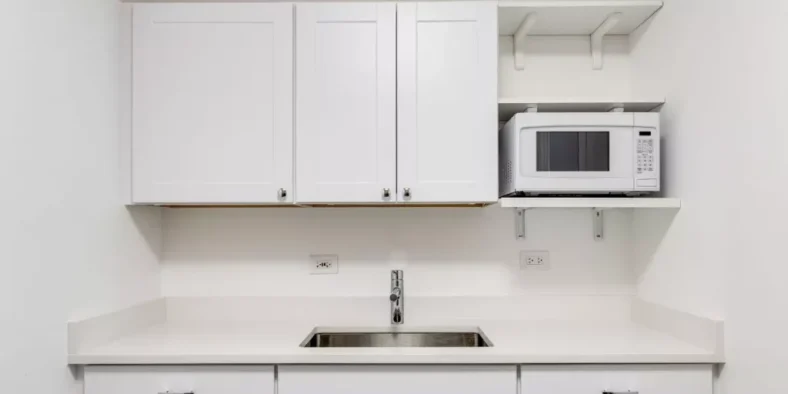
    Transform your small kitchen into a modern and spacious oasis with these clever storage solutions. Maximize your cabinet space by installing pull-out shelves and drawer organizers. These additions make it easy to access pots, pans, and utensils without the frustration of digging through cluttered cabinets.

    Utilize vertical space by adding floating shelves or hanging racks for mugs, pots, and spices. This not only frees up counter space but also adds a trendy touch to your kitchen decor.

    Consider incorporating multi-functional furniture like kitchen islands with built-in storage or extendable dining tables that can serve as extra prep space. Opt for stackable containers and nesting bowls to save space in your cabinets and drawers.

    Magnetic strips on the wall can hold knives and metal spice containers, keeping them within reach but off the counter. Finally, don’t forget the power of utilizing the insides of cabinet doors for hanging measuring cups, towels, or even a small spice rack.

    With these clever storage solutions, your small kitchen will feel organized, efficient, and stylish.

    Strategic Lighting Choices

    Consider enhancing the ambiance and functionality of your small kitchen with strategic lighting choices. Proper lighting can make a significant impact on how spacious and modern your kitchen feels.

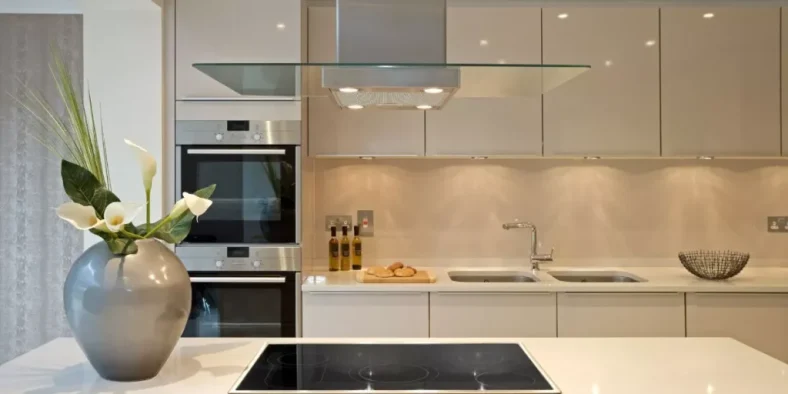
    Start by incorporating layered lighting – this means combining different types of lighting such as overhead lights, under cabinet lights, and task lighting to create a well-lit space. Utilize pendant lights above the kitchen island or dining table to add a stylish touch while providing focused light for these areas.

    Installing recessed lighting can help illuminate the entire kitchen evenly without taking up precious space. Consider using LED lights to save energy and create a bright, modern look. Additionally, adding a dimmer switch allows you to adjust the lighting levels based on the time of day or the desired ambiance.

    Color Palette Selection

    To create a modern and spacious feel in your small kitchen, focus on selecting a harmonious color palette that enhances the overall ambiance. When choosing colors for your kitchen, opt for light and neutral tones like soft whites, creams, light grays, or pale blues. These colors reflect light, making the space feel brighter and more open. Additionally, incorporating pops of a brighter color through accessories or a feature wall can add depth and interest to the room without overwhelming the space.

    Consider using a monochromatic color scheme by selecting different shades of the same color for a cohesive and sophisticated look. This approach creates a sense of continuity and visually expands the space. Another option is to introduce contrast by pairing light cabinets with a darker countertop or vice versa. This contrast adds visual interest and can make the kitchen feel more dynamic.

    Space-Enhancing Design Tricks

    Enhance the spacious feel of your small kitchen by incorporating smart design tricks that maximize every inch of available space. To create the illusion of a larger kitchen, opt for light-colored cabinetry and countertops. Light hues reflect light, making the space feel more open and airy. Consider installing open shelves instead of closed cabinets to visually expand the room. Open shelving creates a sense of depth and prevents the kitchen from feeling cramped.

    Utilize multifunctional furniture pieces such as a kitchen island with built-in storage or a pull-out pantry. These additions not only provide extra storage but also help declutter the kitchen, making it appear more spacious. Another clever trick is to install under-cabinet lighting to brighten dark corners and illuminate the countertops, creating a sense of depth in the room. Additionally, incorporating mirrors into your kitchen design can reflect light and visually double the space.

    Kitchen Appliances

    [product_category category=”kitchen-appliances” per_page=”10″ columns=”2″ orderby=”date” order=”rnde”]

  • How Can You Incorporate Bold Accents in a Modern Kitchen?

    How Can You Incorporate Bold Accents in a Modern Kitchen?

    When looking to infuse bold accents into a modern kitchen, you may find yourself pondering where to begin. Imagine the impact a statement wall in a vibrant hue could have, or how a colorful backsplash might transform the space. Picture the allure of bold lighting fixtures casting a warm glow over sleek countertops. And don’t forget the power of vibrant accessories to tie it all together. By exploring these avenues, you can elevate your kitchen to a new level of contemporary chicness, offering a feast for the eyes that guests won’t soon forget.

    Statement Wall

    To make a bold statement in your modern kitchen, consider creating a striking statement wall using vibrant colors or bold patterns. A statement wall can serve as the focal point of your kitchen, adding a pop of personality and style to the space. Opt for a vibrant color like emerald green or a bold pattern like geometric shapes to instantly elevate the look of your kitchen.

    When choosing a color or pattern for your statement wall, consider the existing color palette of your kitchen. Select a hue that complements or contrasts with the surrounding elements to create a cohesive yet eye-catching design. If your kitchen is predominantly neutral, a statement wall in a bright color can add a fun and unexpected twist to the room.

    Incorporating a statement wall is a relatively simple and cost-effective way to update your kitchen without a full renovation. Whether you choose to paint a wall in a bold color or opt for a striking wallpaper design, a statement wall is sure to make a lasting impression in your modern kitchen.

    Colorful Backsplash

    Consider adding a vibrant and colorful backsplash to your modern kitchen space to further enhance its visual appeal and inject a touch of personality. A colorful backsplash can serve as the focal point of your kitchen, adding a pop of color and creating a lively atmosphere. Opt for bold hues like deep blues, vibrant greens, or fiery reds to make a statement and complement your kitchen’s modern aesthetic.

    When selecting a colorful backsplash, you can choose from a variety of materials such as glass tiles, ceramic tiles, or even peel-and-stick options for easy installation. These materials come in an array of colors and patterns, allowing you to customize the look of your kitchen to suit your personal style. Whether you prefer a monochromatic color scheme with a bold twist or a mix of vibrant tones for a playful feel, a colorful backsplash can elevate the design of your modern kitchen in a unique and eye-catching way.

    Bold Lighting Fixtures

    Enhancing the ambiance of your modern kitchen, bold lighting fixtures can instantly elevate the overall aesthetic and provide a striking focal point. When choosing lighting for your kitchen, consider bold options such as oversized pendant lights with vibrant colors or unique geometric shapes. These fixtures not only illuminate your space but also serve as eye-catching statement pieces.

    To add a touch of sophistication, opt for sleek metallic finishes like brushed brass or matte black. These finishes can complement a variety of kitchen styles, from industrial to minimalist. Additionally, consider mixing different types of lighting, such as task lighting for functional purposes and ambient lighting for a warm, inviting feel.

    For a dramatic effect, install a bold chandelier above your kitchen island or dining area. This grand lighting fixture will instantly draw attention and create a sense of luxury. Remember to balance the size of the fixture with the scale of your kitchen to ensure a harmonious look. By incorporating bold lighting fixtures, you can transform your modern kitchen into a stylish and inviting space.

    Vibrant Accessories

    Add a pop of color and personality to your modern kitchen with vibrant accessories. Introducing colorful items like bright tea towels, bold kitchen gadgets, or eye-catching countertop appliances can instantly elevate the look and feel of your space. Consider adding a set of vibrant mixing bowls, a colorful toaster, or some playful dishware to inject energy and fun into your kitchen.

    Opt for accessories in shades that complement your kitchen’s existing color scheme or choose contrasting hues to create a striking focal point. For a cohesive look, select accessories in a similar color family or mix and match different colors for an eclectic vibe. Additionally, you can incorporate vibrant accessories through artwork, rugs, or even fresh flowers to bring life and vibrancy to the room.

    Remember that less is often more when it comes to incorporating bold accessories, so be mindful not to overcrowd your space. Choose a few key pieces that speak to your personal style and let them shine in your modern kitchen.

    Kitchen Appliances

    [product_category category=”kitchen-appliances” per_page=”10″ columns=”2″ orderby=”date” order=”rnde”]
  • Easy Swaps for a Greener, More Efficient Kitchen

    Easy Swaps for a Greener, More Efficient Kitchen

    When you think about transforming your kitchen into a more sustainable and efficient space, small changes can lead to big results. By making simple swaps in your daily habits and kitchen essentials, you can create a greener environment while streamlining your daily routines. From eco-friendly cleaning products to energy-efficient appliances and reusable kitchen utensils, each adjustment plays a part in building a more environmentally conscious kitchen. But what other easy swaps could you make to enhance your kitchen’s eco-friendly profile and efficiency?

    Eco-Friendly Cleaning Products

    When choosing eco-friendly cleaning products, opt for those that are certified by recognized environmental labels. These certifications ensure that the products have met specific criteria for being environmentally safe and sustainable. Look for labels like EcoLogo, Green Seal, or USDA Certified Biobased to guarantee that the cleaning products you choose aren’t only effective but also gentle on the environment.

    By selecting eco-friendly cleaning products with these certifications, you can reduce your carbon footprint and minimize the impact of harmful chemicals on the planet. These products are made with ingredients that are biodegradable, non-toxic, and free from harsh chemicals, making them safer for your home and the environment.

    Switching to eco-friendly cleaning products is a simple yet impactful way to make your kitchen greener. Not only are you contributing to a healthier planet, but you’re also creating a safer living space for you and your family. Make the conscious choice to support sustainable cleaning practices and enjoy a cleaner, greener kitchen.

    Energy-Efficient Appliances

    Consider upgrading to energy-efficient appliances to reduce your kitchen’s environmental impact and save on utility costs. Switching to appliances with high Energy Star ratings can significantly decrease your energy consumption. Look for refrigerators, dishwashers, ovens, and other appliances that are designed to operate efficiently. Energy-efficient appliances not only help the environment but can also lower your monthly electricity bills.

    For instance, a new Energy Star certified refrigerator can use up to 40% less energy than older models, leading to substantial savings over time.

    When shopping for new appliances, pay attention to the yellow Energy Guide labels to compare energy usage among different models. Opt for appliances with features like improved insulation, advanced temperature controls, and energy-saving modes. Additionally, consider investing in a smart power strip to reduce standby power consumption from your kitchen gadgets.

    Reusable Kitchen Utensils

    Upgrade your kitchen by switching to reusable kitchen utensils for a more sustainable and eco-friendly cooking experience. Ditch the disposable plastic utensils and opt for durable alternatives like stainless steel, bamboo, or silicone. These reusable options not only reduce waste but also contribute to a healthier environment.

    Invest in a set of quality stainless steel utensils that are easy to clean and long-lasting. Stainless steel is resistant to rust and corrosion, making it a durable choice for cooking and serving utensils.

    Bamboo utensils are another excellent eco-friendly option, as bamboo is a renewable resource that grows quickly and requires minimal water and pesticides.

    Silicone utensils are heat-resistant, flexible, and non-stick, making them ideal for a variety of cooking tasks. They’re easy to clean, dishwasher safe, and gentle on cookware. By making the switch to reusable kitchen utensils, you can reduce your environmental impact and enjoy a more sustainable kitchen.

    Sustainable Food Storage Solutions

    Switch to sustainable food storage solutions to reduce waste and promote a more eco-friendly kitchen. Opt for reusable silicone food bags or glass containers instead of single-use plastic bags or wraps. These alternatives not only help the environment but also keep your food fresh for longer periods. Invest in beeswax wraps that can be used multiple times to cover bowls or wrap food items. They’re biodegradable and a great alternative to plastic cling film. Additionally, consider using stainless steel or bamboo food containers for packed lunches or leftovers. These materials are durable, non-toxic, and can be easily recycled.

    To reduce food spoilage, try using produce bags made from organic cotton or mesh. These breathable bags help fruits and vegetables last longer by maintaining optimal humidity levels. Consider purchasing airtight containers with adjustable air vents for storing various food items, ensuring they stay fresh longer while reducing the need for plastic wrap or aluminum foil. By making these simple swaps, you can minimize waste and contribute to a more sustainable kitchen environment.

    Composting and Food Waste Reduction

    To reduce food waste and promote sustainability in your kitchen, start composting your organic scraps and leftovers. Composting is a simple and effective way to divert food waste from landfills while creating nutrient-rich soil for your garden. Begin by designating a compost bin or pile in your backyard or even using a small countertop composting container for convenience.

    Place fruit and vegetable peels, coffee grounds, eggshells, and other organic waste into the compost. Avoid adding meat, dairy, or oily foods that may attract pests or slow down the composting process.

    Regularly mix the compost to aerate it and speed up decomposition. As the organic matter breaks down, it transforms into a valuable soil amendment that can be used to nourish your plants. By composting your food scraps, you not only reduce methane emissions from landfills but also minimize the need for chemical fertilizers.

    Make composting a part of your kitchen routine to contribute to a greener and more sustainable lifestyle.

    Kitchen Appliances

    [product_category category=”kitchen-appliances” per_page=”10″ columns=”2″ orderby=”date” order=”rnde”]

  • The Art of Perfectly Sautéed Vegetables

    The Art of Perfectly Sautéed Vegetables

    When it comes to sautéing vegetables, achieving that perfect balance of crisp-tenderness and flavor enhancement is an art form. The sizzle of veggies hitting the pan, the aromatic blend of herbs and seasonings – it all contributes to a culinary masterpiece waiting to be discovered. But what truly sets apart a mundane sauté from a remarkable one? It’s all about the technique, the timing, and the subtle nuances that elevate a simple dish to extraordinary heights. Just a few tweaks to your process could unveil a whole new world of culinary delight.

    Selecting the Right Vegetables

    When choosing vegetables for sautéing, always opt for fresh produce to ensure the best flavor and texture. Look for vibrant colors, firm textures, and vegetables without any blemishes or signs of wilting. Fresh vegetables not only taste better but also retain more nutrients, making your dish healthier and more delicious.

    Consider selecting a variety of vegetables to create a colorful and flavorful sauté. Bell peppers, zucchini, mushrooms, and cherry tomatoes are excellent choices that add different textures and flavors to your dish. Mix and match vegetables to create a well-balanced sauté that’s both visually appealing and tasty.

    Avoid using vegetables that are overly ripe or starting to spoil, as they can make your sauté taste off and affect the overall quality of the dish. By choosing fresh, high-quality vegetables, you can elevate your sautéed vegetables to a whole new level of culinary excellence.

    Preparing and Cutting Vegetables

    To ensure even cooking and uniform pieces, it’s crucial to properly prepare and cut your vegetables before sautéing them. Start by washing your vegetables under running water to remove any dirt or residue. Next, peel the vegetables if needed, such as with carrots or potatoes. For vegetables like bell peppers or zucchinis, remove the seeds and membranes before cutting.

    When it comes to cutting, the size and shape of the pieces matter. Aim for consistent cuts to ensure all pieces cook at the same rate. For most vegetables, a uniform size of around 1/2 inch works well. Larger pieces may result in uneven cooking, while smaller ones can overcook quickly.

    Consider the cooking time needed for each vegetable when deciding on the cut. Harder vegetables like potatoes or carrots may require smaller pieces to cook faster, while softer vegetables like mushrooms or zucchinis can be cut slightly larger. Properly preparing and cutting your vegetables sets the foundation for a successful sautéing process.

    Sautéing Techniques and Tips

    Ensure your pan is preheated before adding the vegetables for sautéing to achieve a perfect sear and caramelization. Preheating the pan allows the vegetables to cook quickly and evenly, locking in their natural flavors and textures. When sautéing, use high heat and a thin layer of oil to create a nice sear on the vegetables without steaming them. It’s essential to avoid overcrowding the pan, as this can lead to steaming instead of searing. For best results, sauté in batches if necessary.

    To prevent the vegetables from becoming soggy, refrain from stirring them too frequently. Allow them to sit and develop a golden-brown crust before tossing or flipping. Use a spatula or tongs to move the vegetables around gently. Remember to season with salt and pepper towards the end of cooking to avoid drawing out excess moisture too soon.

    Seasoning and Serving Suggestions

    For added flavor and presentation, consider incorporating a variety of herbs and spices when seasoning your perfectly sautéed vegetables. Herbs like parsley, basil, thyme, or cilantro can elevate the taste profile of your dish. Sprinkle them over the vegetables towards the end of cooking to maintain their fresh flavors. Experiment with spices such as cumin, paprika, turmeric, or red pepper flakes to add depth and a hint of heat. Be cautious with salt; it’s best to add it gradually and taste as you go to avoid oversalting.

    When serving your sautéed vegetables, you can enhance the dish further by drizzling a splash of balsamic glaze or a squeeze of lemon juice for a tangy kick. A sprinkle of grated Parmesan cheese or a handful of toasted nuts can provide a delightful crunch. Consider serving the vegetables over a bed of fluffy quinoa, creamy mashed potatoes, or alongside a protein of your choice for a complete and satisfying meal. Remember, seasoning and presentation are key to turning your perfectly sautéed vegetables into a culinary masterpiece.

    Kitchen Appliances

    [product_category category=”kitchen-appliances” per_page=”10″ columns=”2″ orderby=”date” order=”rnde”]

  • How Do You Achieve the Perfect Sear on Meat?

    How Do You Achieve the Perfect Sear on Meat?

    So, you’re ready to elevate your culinary skills and master the art of achieving that coveted perfect sear on your meat. The sizzle, the aroma, the mouthwatering crust – it all starts with a few key techniques that can take your dish from ordinary to extraordinary. Let’s explore the secrets behind creating that flawless sear that will have your taste buds tingling and your guests coming back for more.

    Importance of Preheating Your Pan

    Before you start cooking your meat, always remember to preheat your pan thoroughly to ensure a perfect sear. This step is crucial in achieving that beautiful caramelization on the outside of your meat while keeping the inside tender and juicy. When you preheat your pan, it allows for even distribution of heat, ensuring that the entire surface of the meat comes into contact with the hot surface simultaneously.

    Choosing the Right Cooking Oil

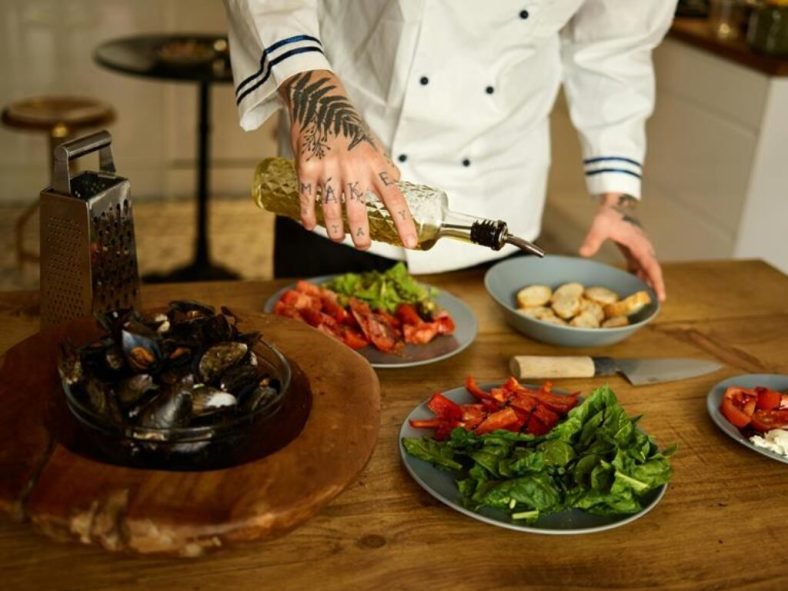
    To enhance the searing process further, consider the impact of choosing the right cooking oil for your meat. The choice of cooking oil can greatly influence the flavor and texture of your seared meat. When searing meat at high temperatures, it’s essential to select an oil with a high smoke point to prevent it from burning and imparting a bitter taste to your dish. Oils such as avocado oil, peanut oil, or canola oil are excellent options due to their high smoke points, making them ideal for achieving a perfect sear.

    Additionally, the flavor of the oil can also enhance the overall taste of your meat. Olive oil, for example, adds a rich and fruity flavor, while sesame oil provides a nutty taste. Consider the flavor profile you want to achieve when selecting the cooking oil for your searing process.

    Remember to use a small amount of oil and ensure it’s evenly distributed in the pan before adding the meat. This will help create a uniform sear and prevent the meat from sticking to the pan. Choose your cooking oil wisely to elevate the searing process and create a deliciously seared piece of meat.

    Seasoning and Patting Dry Your Meat

    Consider seasoning and patting dry your meat before searing to enhance flavor and achieve a perfect crust. Seasoning your meat with salt and pepper not only adds flavor but also helps in drawing out moisture from the surface, aiding in the browning process. Patting your meat dry with a paper towel before searing ensures that excess moisture is removed, allowing for better caramelization and a crispy exterior.

    To season your meat effectively, sprinkle a generous amount of salt and pepper on both sides, ensuring even coverage. You can also add other seasonings like garlic powder, paprika, or herbs for additional flavor profiles. Allow the seasoned meat to sit at room temperature for about 20-30 minutes before cooking to let the flavors penetrate.

    When patting your meat dry, use a paper towel to remove any excess moisture, especially if the meat has been marinated. Dry meat will sear better and develop a nice crust, creating a visually appealing dish with enhanced taste. By taking these simple steps, you can elevate the flavor and texture of your seared meat to perfection.

    Achieving the Ideal Cooking Temperature

    For perfectly seared meat, ensuring you reach the ideal cooking temperature is key to achieving a juicy and flavorful result. The ideal cooking temperature for searing meat is typically between 400°F and 450°F (204°C – 232°C). At this temperature range, the Maillard reaction, responsible for creating that delicious crust on the meat, occurs rapidly without overcooking the inside.

    To accurately gauge the cooking temperature, use a meat thermometer to check the internal temperature of the meat. For steaks, aim for an internal temperature of 130°F to 135°F (54°C – 57°C) for medium-rare, 140°F to 145°F (60°C – 63°C) for medium, and so on. Remember that the meat will continue to cook after being removed from the heat source, so it’s crucial to account for this carryover cooking.

    Kitchen Appliances

    [product_category category=”kitchen-appliances” per_page=”10″ columns=”2″ orderby=”date” order=”rnde”]
  • The Rise of Smart Appliances in Contemporary Kitchens

    The Rise of Smart Appliances in Contemporary Kitchens

    In today’s modern kitchens, smart appliances have become more than just tools; they are intelligent companions that elevate your cooking experience. Imagine a kitchen where your appliances anticipate your needs and seamlessly integrate with your lifestyle. From refrigerators that create shopping lists to ovens that can be preheated with a simple voice command, the possibilities seem endless. But how exactly are these smart devices revolutionizing the heart of your home? Let’s explore the impact of these technological advancements on contemporary kitchens and what the future holds for culinary innovation.

    Evolution of Kitchen Appliances

    As kitchen designs have evolved, so too have kitchen appliances, incorporating advanced technology and innovative features. Gone are the days of simple stovetops and basic refrigerators. Today, appliances are smarter, more efficient, and equipped with cutting-edge functionalities.

    One significant change in kitchen appliances is the integration of smart technology. From refrigerators that can create shopping lists to ovens that can be controlled remotely, these smart appliances offer convenience and efficiency like never before. Imagine being able to preheat your oven on your way home from work or receive notifications when your groceries are running low. These advancements not only make daily tasks easier but also enhance the overall kitchen experience.

    Moreover, modern kitchen appliances are designed with sustainability in mind. Energy-efficient dishwashers, refrigerators with improved insulation, and induction cooktops that reduce heat wastage are just a few examples. By choosing these eco-friendly options, not only are you saving on utility bills but also contributing to a greener future. Kitchen appliances have indeed come a long way, catering to the needs of contemporary households in more ways than one.

    Benefits of Smart Technology

    With the integration of smart technology in contemporary kitchens, the benefits of these advanced appliances become increasingly apparent. Imagine having a refrigerator that notifies you when you’re running low on groceries or a coffee maker that starts brewing your favorite blend as soon as your alarm goes off. Smart appliances offer convenience and efficiency, making your daily routine smoother and more enjoyable.

    One significant benefit of smart technology in kitchens is energy efficiency. These appliances are designed to optimize energy usage, helping you reduce your electricity bills while minimizing your environmental impact. Additionally, smart appliances often come equipped with features like remote monitoring and control, allowing you to manage your kitchen devices from anywhere using your smartphone. This means you can preheat your oven on your way home from work or check if you left the stove on after you’ve already left the house.

    Moreover, smart technology can enhance the overall safety and security of your kitchen. Smart smoke detectors can alert you on your phone if they detect smoke, while smart ovens can automatically turn off after a certain period of inactivity. These features provide peace of mind and help prevent potential accidents. Ultimately, the benefits of smart technology in contemporary kitchens extend beyond mere convenience, offering a more efficient, sustainable, and secure culinary experience.

    Integration With Home Automation

    Enhancing your kitchen’s functionality, smart appliances seamlessly integrate with home automation systems to streamline your daily tasks and create a more connected living space. Imagine starting your morning routine by having your coffee maker synchronized with your alarm clock, brewing your favorite blend as soon as you wake up.

    Throughout the day, smart refrigerators can suggest recipes based on their contents and even create shopping lists that sync with your phone. Lights, music, and temperature can be adjusted with voice commands or a single tap on your smartphone, enhancing the ambiance while you cook or entertain guests.

    Additionally, smart ovens can be preheated remotely, ensuring meals are ready as soon as you arrive home. By connecting your appliances to a central hub, you can monitor energy usage, receive maintenance alerts, and even control them from a distance, making your kitchen not just smarter but more efficient and convenient.

    The seamless integration of smart appliances with home automation systems is revolutionizing the way we interact with our kitchens, making daily tasks more manageable and enjoyable.

    Future Trends in Kitchen Innovation

    By envisioning what lies ahead in kitchen innovation, you can anticipate exciting future trends shaping the culinary landscape. One major trend to watch out for is the continued integration of artificial intelligence and machine learning in kitchen appliances. Imagine appliances that learn your cooking habits and preferences, offering recipe suggestions based on what’s in your fridge or even adjusting settings automatically to ensure perfect cooking results. This level of personalization will revolutionize how we interact with our kitchen gadgets.

    Another trend on the horizon is the rise of sustainable and eco-friendly kitchen solutions. From composting appliances to energy-efficient cooking methods, the future kitchen will prioritize environmental consciousness without compromising on functionality. Brands are already exploring ways to reduce waste and energy consumption in the kitchen, paving the way for a more sustainable culinary experience.

    Moreover, advancements in food preservation technology will also shape the kitchens of tomorrow. Imagine appliances that can extend the shelf life of fresh produce or alert you when items are about to expire. These innovations won’t only minimize food waste but also make meal planning and grocery shopping more efficient. Stay tuned for these exciting developments that are set to transform the heart of your home.

    Kitchen Appliances

    [product_category category=”kitchen-appliances” per_page=”10″ columns=”2″ orderby=”date” order=”rnde”]

  • How to Elevate Your Meals With Flavored Oils

    How to Elevate Your Meals With Flavored Oils

    Enhance your culinary creations effortlessly by incorporating flavored oils into your recipes. These oils offer a sophisticated twist, elevating your dishes to new heights with their unique and vibrant flavors. Whether you’re a seasoned chef or a home cook looking to add flair to your meals, flavored oils provide a simple yet effective way to infuse your dishes with depth and complexity. Stay tuned to discover the benefits of using these oils, different types to experiment with, tips for creating your own blends, and creative ways to incorporate them into your cooking repertoire.

    Benefits of Using Flavored Oils

    Enhance your dishes effortlessly by incorporating flavored oils, elevating both the taste and aroma of your meals. Not only do flavored oils add depth to your culinary creations, but they also bring a touch of sophistication to your cooking. By using flavored oils, you can easily infuse your dishes with a burst of unique flavors without the need for complex seasoning combinations. These oils are versatile and can be used in various dishes, from salads to pastas, and even desserts, offering you a wide range of options to explore.

    Additionally, flavored oils are a simple yet effective way to add a gourmet flair to your meals, impressing your guests or simply indulging your own taste buds. Whether you prefer a subtle hint of garlic, a kick of chili, or the freshness of herbs, there’s a flavored oil to suit every palate. Furthermore, these oils can be a healthier alternative to heavy sauces or dressings, allowing you to enjoy delicious meals without compromising on your dietary choices.

    Types of Flavored Oils to Try

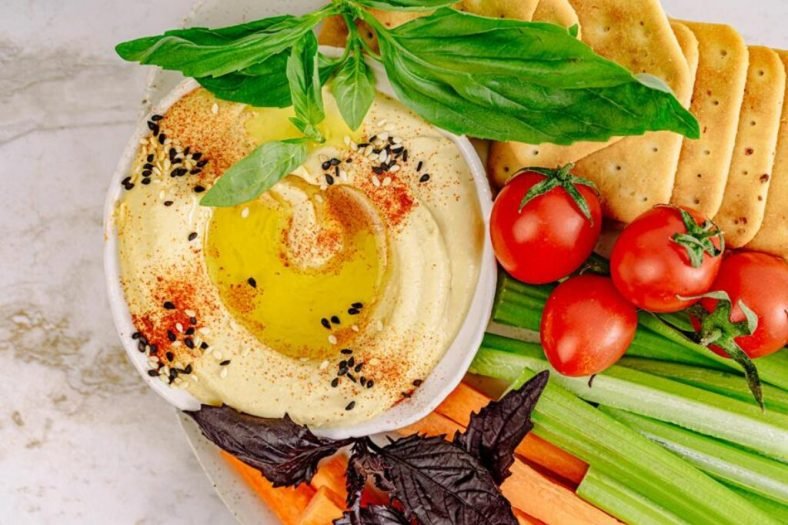
    Consider exploring a variety of infused oils, such as garlic-infused olive oil or chili-infused sesame oil, to elevate your culinary creations with distinct flavors. Infused oils add depth and complexity to dishes, enhancing both the taste and aroma of your meals.

    For a touch of earthiness, try using truffle-infused oil, perfect for drizzling over pasta or risotto. If you prefer a hint of spice, consider using jalapeño-infused oil to kick up the heat in your favorite recipes.

    Lemon-infused olive oil is a great way to brighten up salads or seafood dishes with a citrusy zing. For a more robust flavor, experiment with rosemary-infused oil to infuse roasted vegetables or grilled meats with a savory herbiness.

    Whether you’re looking to add a subtle hint of flavor or make a bold statement, there are endless possibilities to explore when it comes to flavored oils.

    Tips for Making Your Own Flavored Oils

    To infuse your own oils at home, start by selecting high-quality ingredients that will impart rich and unique flavors to your culinary creations. Choose fresh herbs like rosemary, thyme, or basil, as well as spices such as peppercorns, garlic, or dried chili flakes. Fruits like lemon or orange zest can also add a refreshing twist to your oils. Ensure that all ingredients are thoroughly washed and dried to prevent any moisture from causing the oil to spoil.

    Next, select a neutral oil with a high smoke point, such as grapeseed or sunflower oil, as the base for your infusion. Heat the oil gently in a saucepan, taking care not to let it reach its smoke point, which can alter the flavor of the oil. Add your chosen ingredients to the warm oil and let them steep for a few hours to several days, depending on the intensity of flavor you desire. Strain the oil through a fine-mesh sieve or cheesecloth before transferring it to a clean, airtight container for storage.

    Enjoy experimenting with different flavor combinations to elevate your dishes with homemade flavored oils.

    Creative Ways to Incorporate Flavored Oils

    Once you’ve infused your oils with delicious flavors, get ready to elevate your dishes by incorporating them in creative ways that will delight your taste buds. Drizzle your citrus-infused oil over a fresh salad for a burst of refreshing flavor. Use your herb-infused oil to marinate meats or vegetables before grilling to add depth and complexity to your dishes. For a gourmet touch, swirl a spoonful of chili-infused oil into soups or stews right before serving to give them a spicy kick.

    Another creative way to use flavored oils is to mix them into homemade salad dressings or vinaigrettes for a unique and tasty twist on your favorite greens. You can also toss roasted vegetables with a drizzle of garlic-infused oil before serving to enhance their natural sweetness. Experiment with using truffle-infused oil in mashed potatoes or risottos to bring a luxurious earthy flavor to your comfort foods. With these creative ideas, you can easily incorporate your homemade flavored oils into your everyday cooking to elevate your meals to a whole new level.

    Kitchen Appliances

    [product_category category=”kitchen-appliances” per_page=”10″ columns=”2″ orderby=”date” order=”rnde”]

  • Seasonal Cooking Hacks for Quick Weeknight Dinners

    Seasonal Cooking Hacks for Quick Weeknight Dinners

    When it comes to tackling hectic weeknights, seasonal cooking hacks can be your saving grace. By making the most of what each season has to offer, you can elevate your meals with minimal effort. From clever ingredient swaps to time-saving techniques, incorporating seasonal elements can transform your dinner routine. Stay tuned to uncover how these simple yet effective strategies can revolutionize your approach to weeknight cooking.

    Benefits of Seasonal Ingredients

    When cooking with seasonal ingredients, you’ll enjoy fresher flavors and higher nutritional value in your meals. By choosing fruits and vegetables that are in season, you’re selecting produce that has had the chance to fully ripen before being harvested, resulting in better taste and texture. The proximity of seasonal ingredients also means they’re more likely to be locally sourced, reducing the carbon footprint of your meals.

    Additionally, seasonal ingredients are typically more affordable because they’re abundant at the time, making it a budget-friendly option for your weeknight dinners. The high availability of these ingredients also means you have a wide variety to choose from, allowing you to experiment with different flavors and recipes throughout the year.

    Moreover, seasonal ingredients offer a greater nutritional punch. They’re packed with vitamins, minerals, and antioxidants that are at their peak levels when the produce is in season. This means you’re not only enjoying delicious meals but also reaping the full health benefits of these fresh ingredients.

    Time-Saving Cooking Tips

    To save time in the kitchen, streamline your cooking process with these efficient tips. Start by meal planning for the week ahead to avoid last-minute scrambles.

    Prep ingredients in advance by washing, chopping, and storing them in airtight containers. This way, when it’s time to cook, everything is ready to go.

    Utilize one-pot or sheet pan recipes to cut down on dishes and cooking time. These dishes often involve throwing everything together and letting it cook, saving you precious minutes.

    Invest in kitchen gadgets like a pressure cooker or slow cooker to help speed up the cooking process. These appliances can help you make flavorful meals in a fraction of the time.

    Additionally, consider cooking in batches and freezing portions for later use. This way, you can have quick meals on hand for those busy nights when cooking from scratch isn’t an option.

    Flavorful Seasonal Recipe Ideas

    For a burst of seasonal flavors in your weeknight dinners, consider trying out these creative and delicious recipe ideas. Embrace the vibrant produce of the season by making a refreshing watermelon and feta salad. Simply toss together juicy watermelon cubes, tangy feta cheese, fresh mint leaves, and a drizzle of balsamic glaze for a light and flavorful side dish.

    To add a cozy touch to your meals, whip up a butternut squash and sage pasta. Roast cubes of butternut squash with olive oil and sage until caramelized, then toss them with al dente pasta and a sprinkle of Parmesan cheese. This dish is both comforting and full of autumn flavors.

    For a quick and nutritious dinner, try making a sheet pan honey mustard salmon with roasted Brussels sprouts and sweet potatoes. The combination of flaky salmon coated in a tangy honey mustard glaze alongside crispy roasted vegetables is sure to be a hit at the dinner table. Enjoy the seasonal bounty with these flavorful recipe ideas that are perfect for busy weeknights.

    Meal Prep Strategies

    Consider incorporating efficient meal prep strategies into your routine to streamline your weeknight dinner preparations and save time during busy evenings. Start by planning your meals for the week ahead. Dedicate some time on the weekend to chop vegetables, marinate proteins, or cook grains in advance. Prepping ingredients like these can significantly cut down your cooking time during the week.

    Another useful tip is to batch cook staple items that can be used in multiple dishes. For example, preparing a big batch of quinoa, roasted vegetables, or grilled chicken can serve as the base for various meals throughout the week. This not only saves time but also ensures you have healthy options readily available.

    Invest in quality storage containers to keep your prepped ingredients fresh for longer periods. Properly storing your prepped items can also help you stay organized and make assembling weeknight dinners a breeze. By implementing these meal prep strategies, you can simplify your cooking routine and enjoy delicious homemade meals with minimal effort.

    Kitchen Appliances

    [product_category category=”kitchen-appliances” per_page=”10″ columns=”2″ orderby=”date” order=”rnde”]

  • What Are Genius Hacks for Faster Meal Preparation?

    What Are Genius Hacks for Faster Meal Preparation?

    When it comes to speeding up your meal prep game, there are some genius hacks that can make all the difference. From mastering the art of pantry organization to discovering quick cooking techniques, there are simple yet effective ways to cut down your time in the kitchen. By incorporating these smart strategies, you’ll find yourself whipping up delicious meals in no time. But there’s one more key hack that can truly revolutionize your meal preparation routine – eager to uncover it?

    Meal Prep Organization

    Get ahead of your meal prep game by streamlining your kitchen space with these genius organization tips. Start by decluttering your pantry and cabinets. Toss expired items and donate what you won’t use. Use clear containers for grains, pasta, and snacks to easily see what you have. Arrange your spices alphabetically or by cuisine to quickly find what you need while cooking.

    Invest in stackable storage containers to store prepped ingredients neatly in the fridge. Label each container with the contents and date prepared for easy rotation. Keep a designated area for meal prep tools like cutting boards, knives, and measuring cups to have everything at arm’s reach. Hang cooking utensils on hooks or a magnetic strip to free up drawer space.

    Utilize drawer dividers to separate gadgets and tools efficiently. Keep frequently used items in the front for easy access. Maximize vertical space by installing shelves or racks to store small appliances or cookware. By implementing these organization hacks, you’ll cut down on meal prep time and enjoy a more efficient cooking experience.

    Quick Cooking Techniques

    To speed up your meal preparation process, employ quick cooking techniques that will save you time in the kitchen. One of the most effective methods is stir-frying. This high-heat cooking technique allows you to quickly cook vegetables, meats, and sauces in a single pan, reducing overall cooking time.

    Another useful technique is blanching, which involves briefly boiling vegetables before plunging them into ice water to stop the cooking process. Blanching helps to retain the vibrant color and nutrients of the vegetables while reducing their cooking time.

    Additionally, consider using a pressure cooker for dishes that typically require long cooking times, such as stews and braised meats. Pressure cookers significantly shorten cooking times by using steam and pressure to cook food quickly.

    Another quick cooking technique is steaming, which is perfect for vegetables, fish, and dumplings. Steaming preserves the nutrients in food and cooks them rapidly without the need for added fats.

    Time-Saving Kitchen Tools

    Consider investing in efficient kitchen gadgets to streamline your meal preparation process and save valuable time. Time-saving tools can make a significant difference in how quickly you can put together a meal.

    A multi-functional food processor can chop, slice, and dice ingredients in seconds, cutting down on prep time significantly. An electric pressure cooker is another valuable tool that can cook meals up to 70% faster than traditional methods. It’s perfect for busy days when you want a home-cooked meal without spending hours in the kitchen.

    A high-quality chef’s knife can also make a big impact, allowing you to quickly and precisely cut through ingredients. Additionally, a set of measuring cups and spoons can help you accurately portion out ingredients without the need for multiple tools. Lastly, consider investing in a kitchen scale for precise measurements, especially when baking.

    These tools are essential for any efficient kitchen and can help you save time and effort while preparing delicious meals.

    Smart Ingredient Substitutions

    Maximize your culinary creativity by exploring smart ingredient substitutions to enhance your dishes while adapting to dietary restrictions or ingredient availability. When you find yourself short on a particular ingredient, don’t fret! Try using applesauce as a replacement for oil or butter in baking recipes to reduce the fat content while keeping your treats moist.

    For savory dishes, consider swapping out breadcrumbs with crushed nuts like almonds or pecans for a flavorful and crunchy coating. If you’re out of buttermilk, simply mix regular milk with lemon juice or vinegar as a quick alternative.

    For a dairy-free option, coconut milk can work wonders in creamy sauces or soups instead of heavy cream. When a recipe calls for white sugar, experiment with natural sweeteners like honey, maple syrup, or agave nectar for a healthier twist. Additionally, mashed bananas can serve as a substitute for eggs in certain baked goods, adding moisture and natural sweetness.

    Kitchen Appliances

    [product_category category=”kitchen-appliances” per_page=”10″ columns=”2″ orderby=”date” order=”rnde”]