
Category: Gardening

  • How to Add Rustic Charm to Your Outdoor Space

    How to Add Rustic Charm to Your Outdoor Space

    When looking to infuse your outdoor space with rustic charm, consider the subtle yet impactful ways in which natural materials and vintage elements can transform your surroundings. From weathered wooden accents to carefully curated distressed pieces, the art lies in the balance of old and new. By blending cozy seating areas with warm lighting and textured details, you can create an inviting oasis that beckons for relaxation and connection. But how can you truly master the art of rustic charm in your outdoor haven?

    Selecting the Right Natural Materials

    When choosing natural materials for your outdoor space, opt for sturdy options that blend well with the surroundings. Consider materials like stone, wood, and metal that can withstand outdoor conditions and develop a beautiful patina over time. Stone pavers or gravel can create a durable and low-maintenance pathway through your garden, while wooden furniture adds a warm and inviting touch to your outdoor seating area. Metal accents, such as wrought iron benches or copper lanterns, can provide a rustic charm that complements the natural elements of your space.

    For a cohesive look, choose materials that harmonize with the colors and textures of your outdoor environment. Earthy tones like browns, greens, and grays work well in natural settings, while rough textures like weathered wood or rough stone can enhance the rustic appeal of your outdoor space. By selecting materials that not only withstand the elements but also enhance the beauty of your surroundings, you can create an inviting and charming outdoor oasis for relaxation and entertainment.

    Incorporating Vintage and Distressed Elements

    To infuse your outdoor space with a touch of nostalgia and character, consider integrating vintage and distressed elements that add a unique charm to your surroundings. Look for weathered wooden crates or barrels that can be repurposed as planters or side tables. These items bring a sense of history and authenticity to your outdoor area.

    Old metal garden tools, such as rusty shovels or watering cans, can be used as decorative accents, adding a rustic flair to your garden or patio. You can hang them on a wall or place them strategically among your plants to create an interesting focal point.

    Vintage lanterns or chandeliers can also enhance the ambiance of your outdoor space, especially during evening gatherings. The soft glow of the lights against the worn metal or aged patina adds a cozy and inviting feel to your surroundings.

    When incorporating vintage and distressed elements, aim for a balance between old and new to create a harmonious blend that exudes charm and warmth in your outdoor oasis.

    Creating Cozy and Inviting Seating Areas

    Consider incorporating plush cushions and warm blankets to make your seating areas cozy and inviting for relaxation and gatherings. Adding soft textures not only enhances comfort but also creates a welcoming atmosphere in your outdoor space. Opt for cushions with earthy tones or rustic patterns to complement the overall theme. Arrange the seating in a way that encourages conversation and connection among your guests.

    To further enhance the cozy ambiance, consider adding a fire pit or a portable heater near the seating area. The warmth from the fire won’t only keep everyone comfortable on cool evenings but also adds a charming focal point to the space. Additionally, incorporating outdoor rugs can help define the seating area and add a layer of coziness underfoot.

    Whether you choose a classic wooden bench with plush pillows or opt for a set of cozy armchairs around a coffee table, creating a cozy seating area in your outdoor space will invite your guests to linger, relax, and enjoy the rustic charm you’ve cultivated.

    Adding Warm Lighting and Textures

    Enhance the cozy ambiance in your outdoor space by incorporating warm lighting and textured elements that create a welcoming and inviting atmosphere. To add warmth to your outdoor area, consider installing string lights or lanterns around your patio or garden. These soft, glowing lights not only illuminate your space but also lend a charming and cozy feel once the sun sets. You can also opt for flameless LED candles or solar-powered lights for a hassle-free lighting solution that exudes a rustic vibe.

    Incorporating textured elements like plush outdoor rugs, throw pillows, and cozy blankets can further enhance the inviting atmosphere of your outdoor space. Choose earthy tones and natural materials like jute, wool, or cotton to add warmth and comfort to your seating areas. These textures not only provide a cozy touch but also complement the rustic charm of your outdoor decor.

    Garden

    [product_category category=”garden” per_page=”10″ columns=”2″ orderby=”date” order=”rnde”]
  • What Are the Most Common Mistakes in Lawn Care?

    What Are the Most Common Mistakes in Lawn Care?

    When it comes to maintaining a lush and healthy lawn, avoiding common mistakes is key. Overwatering, improper mowing, neglecting soil preparation, and ignoring weed control can hinder your lawn’s growth potential. By addressing these issues, you can create a vibrant outdoor space that enhances your home’s curb appeal. But what other factors should you consider to ensure your lawn thrives?

    Overwatering

    Avoid drowning your lawn by ensuring you water it appropriately based on its specific needs. Overwatering is a common mistake that many people make when caring for their lawns. It may seem counterintuitive, but too much water can actually be harmful to your grass. When you overwater, the roots of the grass can become waterlogged, leading to a lack of oxygen and ultimately causing the grass to die.

    To avoid overwatering, you should first determine the specific watering needs of your lawn. Factors such as the type of grass, soil drainage, and weather conditions all play a role in how much water your lawn requires. A general rule of thumb is to water your lawn deeply but infrequently. This encourages the roots to grow deeper into the soil in search of water, making your lawn more drought-resistant in the long run.

    Improper Mowing Techniques

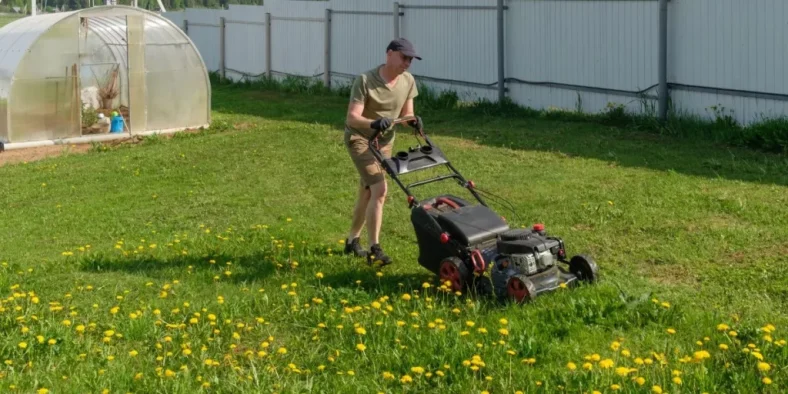
    Improper mowing techniques can harm your lawn’s health and appearance if not corrected promptly. One common mistake is cutting the grass too short. When you scalp the lawn by mowing it too low, you expose the soil to sunlight, leading to increased evaporation and potential weed growth. It’s crucial to follow the one-third rule: never trim more than one-third of the grass blade length at once to maintain a healthy lawn.

    Another error is using dull mower blades. Dull blades tear the grass instead of cutting it cleanly, leaving the tips jagged and susceptible to diseases. Regularly sharpening or replacing mower blades ensures a neat cut that promotes healthy grass growth.

    Additionally, mowing in the same direction every time can cause the grass to lean in one direction and create ruts in the lawn. Vary your mowing pattern to prevent compaction and promote upright grass growth for a more even look.

    Neglecting Soil Preparation

    Neglecting soil preparation before planting your lawn can significantly impact its overall health and growth. Proper soil preparation is essential for creating a strong foundation for your grass to thrive. Failing to address soil quality issues such as compaction, poor drainage, or nutrient deficiencies can hinder the growth of your lawn and make it more susceptible to diseases and pests.

    Before planting your lawn, take the time to test your soil to determine its pH levels and nutrient content. Based on the results, you may need to amend the soil with organic matter or fertilizers to ensure optimal growing conditions for your grass. Aerating the soil can also help alleviate compaction and improve root development.

    Ignoring soil preparation may lead to uneven growth, patchiness, and a weak root system. By investing time and effort into preparing your soil properly, you can set the stage for a lush and healthy lawn that will be easier to maintain in the long run.

    Ignoring Weed Control

    To ensure a healthy and vibrant lawn, addressing weed control is vital in maintaining the overall appearance and health of your grass. Ignoring weed control can lead to invasive weeds taking over your lawn, competing with your grass for essential nutrients, water, and sunlight. Weeds not only detract from the aesthetic appeal of your lawn but can also weaken the grass and create bare patches, leaving your lawn vulnerable to further weed infestation.

    Implementing a regular weed control routine is crucial to prevent weed growth and promote a lush, green lawn. This can involve methods such as pulling weeds by hand, using herbicides selectively, or employing natural weed control techniques like mulching or overseeding. By staying proactive and consistent with your weed control efforts, you can effectively manage weed growth and maintain a healthy lawn that you can enjoy throughout the year.

    Garden

    [product_category category=”garden” per_page=”10″ columns=”2″ orderby=”date” order=”rnde”]

  • What Are the Essentials of a Low-Maintenance Garden Design?

    What Are the Essentials of a Low-Maintenance Garden Design?

    When designing a low-maintenance garden, you must prioritize key elements that ensure your outdoor space flourishes with minimal effort. From strategic plant choices to smart irrigation systems, each component plays a crucial role in simplifying garden care. Ensuring your garden is both beautiful and effortless to maintain requires a thoughtful approach that considers various factors. So, what exactly are the essentials that can transform your garden into a serene retreat that demands little upkeep? Let’s explore the foundational principles that can guide you towards creating a harmonious and low-maintenance garden sanctuary.

    Plant Selection

    When creating a low-maintenance garden, choose plants that thrive in your specific climate and require minimal care. Selecting the right plants is crucial in ensuring that your garden stays healthy and vibrant with little effort on your part.

    Look for native plants that are well-adapted to your local environment, as they’ll naturally require less water and maintenance. Succulents, such as aloe vera and sedum, are excellent choices for arid climates, as they store water in their leaves and require infrequent watering.

    In contrast, ferns and hostas thrive in shady, moist areas, making them ideal for cooler, more damp climates. Additionally, consider incorporating perennial plants, like lavender and coneflowers, which return year after year, reducing the need for replanting.

    Efficient Irrigation

    To ensure your low-maintenance garden receives adequate water while minimizing waste, efficient irrigation methods are essential. Drip irrigation systems are a great option for delivering water directly to the roots of your plants, reducing evaporation and water runoff. These systems can be set on timers, allowing you to automate the watering process and ensure your plants receive consistent moisture without the need for constant manual intervention. Additionally, installing a rain barrel to collect rainwater can provide a sustainable water source for your garden, reducing your reliance on traditional water sources.

    Consider grouping plants with similar water needs together, so you can tailor your irrigation efforts more efficiently. This practice not only helps conserve water but also ensures that each plant receives the appropriate amount of moisture. Regularly check for leaks or clogs in your irrigation system to prevent water wastage and keep your garden thriving with minimal maintenance. By implementing these efficient irrigation techniques, you can enjoy a lush garden while minimizing water usage and maintenance tasks.

    Mulching Techniques

    Efficiently incorporating mulching techniques into your garden design can significantly reduce weed growth and retain soil moisture, promoting a healthier and low-maintenance landscape. Mulch acts as a protective barrier, preventing weed seeds from germinating by blocking out sunlight.

    To make the most of mulching, ensure you apply a layer of at least 2-4 inches thick. Organic mulches like wood chips, straw, or shredded leaves not only suppress weeds but also decompose over time, enriching the soil with nutrients. Inorganic mulches such as gravel or stones offer long-lasting weed control but don’t contribute to soil health.

    Remember to leave a gap between the mulch and plant stems to prevent rot and allow for air circulation. Mulching also helps to regulate soil temperature, keeping it cooler in the summer and warmer in the winter.

    Designing for Accessibility

    For a garden that’s easily enjoyed by all, consider incorporating accessibility features in your design. Pathways should be wide enough for wheelchairs and strollers to navigate comfortably, ideally at least 36 inches wide. Use smooth, level surfaces to make movement easy for everyone. Avoid steep slopes and steps, opting instead for gentle ramps or gradual inclines where needed.

    Incorporating raised beds and containers can provide easier access for individuals with mobility challenges or those who prefer gardening at a higher level. Choose plants that are low-maintenance and don’t require frequent pruning or trimming to ensure that all individuals can easily reach and care for them. Additionally, consider installing raised garden beds at varying heights to accommodate different reach capabilities.

    Garden

    [product_category category=”garden” per_page=”10″ columns=”2″ orderby=”date” order=”rnde”]

  • A Step-by-Step Guide to Fertilizing Your Lawn

    A Step-by-Step Guide to Fertilizing Your Lawn

    Before you rush into fertilizing your lawn, consider this: the health of your grass depends on a carefully planned approach. Understanding the specific needs of your lawn is crucial, but what about the timing? You might be surprised to learn how crucial it is to fertilize at the right time to maximize results.

    Choosing the Right Fertilizer

    When selecting the appropriate fertilizer for your lawn, consider the specific needs of your grass and soil type. Different types of grass require different nutrients to thrive, so it’s essential to choose a fertilizer that matches these needs. For example, if you have cool-season grass such as Kentucky bluegrass or fescue, look for a fertilizer with a higher nitrogen content. On the other hand, warm-season grasses like Bermuda grass prefer a fertilizer with more potassium.

    Additionally, understanding your soil type is crucial when choosing the right fertilizer. Sandy soil tends to drain quickly and may require a slow-release fertilizer to prevent nutrient leaching. In contrast, clay soil retains moisture and nutrients better but may need a fertilizer with higher phosphorus levels to promote root growth.

    Before purchasing any fertilizer, consider having your soil tested to determine its pH level and nutrient deficiencies. This information will help you select a fertilizer that will address any specific shortcomings in your lawn’s soil, ensuring healthy growth and vibrant green grass.

    Preparing Your Lawn for Fertilization

    To ensure optimal results, it’s essential to properly prepare your lawn before applying fertilizer. Begin by removing any debris, such as branches or rocks, from the lawn surface. This step ensures that the fertilizer can reach the soil effectively.

    Next, mow your lawn to an appropriate height. A general rule is to trim the grass to about 2-3 inches before fertilizing. This allows the fertilizer to penetrate the soil and reach the grassroots more efficiently.

    After mowing, consider aerating your lawn if it has compacted soil. Aerating helps improve water and nutrient absorption by the soil, making the fertilization process more effective. Once aerating is complete, take a soil test to determine the pH levels and nutrient deficiencies in your lawn. This information will guide you in selecting the right type of fertilizer for your specific needs.

    Lastly, water your lawn thoroughly a day or two before applying the fertilizer. Moist soil will help the fertilizer dissolve and reach the roots more effectively, promoting better absorption. Following these steps will set the stage for successful fertilization and a healthier, greener lawn.

    Applying Fertilizer Correctly

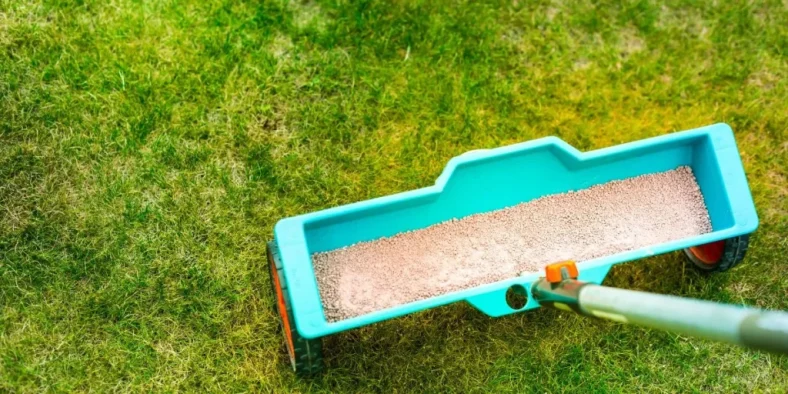
    For optimal results, ensure that you apply the fertilizer evenly across your lawn surface. This step is crucial to prevent over-fertilizing certain areas, which can lead to burning the grass, while leaving other parts undernourished. Start by dividing your lawn into sections and then apply the fertilizer in a back-and-forth pattern, similar to mowing the lawn. Make sure to slightly overlap each pass to guarantee even coverage. A broadcast spreader can be helpful in achieving uniform distribution.

    When applying the fertilizer, follow the manufacturer’s instructions regarding the appropriate amount to use. It’s essential not to exceed the recommended dosage as it can harm your lawn. After spreading the fertilizer, lightly water your lawn to help the granules settle into the soil. Remember to clean your equipment thoroughly after use to prevent cross-contamination or uneven application in the future.

    Maintaining a Fertilizing Schedule

    To maintain a healthy lawn, consistency in following a fertilizing schedule is key. By sticking to a regular schedule, you provide your grass with the nutrients it needs to thrive. The frequency of fertilizing will depend on the type of grass you have and the climate in your area. Typically, for most lawns, fertilizing 2-4 times a year is sufficient. It’s important to spread out these applications evenly throughout the growing season to ensure your lawn receives a steady supply of nutrients. You can mark your calendar or set reminders to help you stay on track with your fertilizing schedule.

    Remember that over-fertilizing can do more harm than good, so it’s crucial to follow the recommended guidelines for your specific type of grass. Additionally, be mindful of any local regulations regarding fertilizer use in your area to avoid any potential environmental issues.

    Garden

    [product_category category=”garden” per_page=”10″ columns=”2″ orderby=”date” order=”rnde”]
  • Organic Lawn Care Methods for a Greener Yard

    Organic Lawn Care Methods for a Greener Yard

    When it comes to achieving a vibrant and eco-friendly yard, organic lawn care methods offer a sustainable solution that benefits both your property and the environment. By incorporating natural fertilizers, weed control techniques, and other organic products into your lawn care routine, you can promote healthier grass growth without the need for harmful chemicals. With a focus on sustainability and long-term benefits, organic lawn care methods provide a greener alternative to traditional practices.

    Benefits of Organic Lawn Care

    Switching to organic lawn care methods can significantly improve the health and sustainability of your lawn. By avoiding harsh chemicals and synthetic fertilizers, you’re creating a safer environment for your family, pets, and local wildlife. Organic lawn care focuses on building healthy soil, which in turn promotes strong root systems for your grass, making it more resilient to pests, diseases, and drought.

    Another benefit of organic lawn care is that it helps reduce water pollution. Traditional lawn care products can leach into groundwater or run off into nearby bodies of water, causing harm to aquatic ecosystems. Organic methods, on the other hand, work in harmony with nature, minimizing these negative impacts.

    Furthermore, organic lawn care can save you money in the long run. While organic products may have a slightly higher upfront cost, they contribute to the overall health of your lawn, reducing the need for expensive treatments and constant maintenance. Overall, making the switch to organic lawn care is a decision that benefits not only your own lawn but also the environment as a whole.

    Essential Organic Lawn Care Products

    To maintain a healthy organic lawn, essential products like organic fertilizers and compost are key components for promoting soil health and nourishing your grass. Organic fertilizers, derived from natural sources such as manure or plant-based materials, provide nutrients to your lawn without the use of synthetic chemicals. These fertilizers release nutrients slowly, feeding your grass over time and improving soil structure.

    Compost, another vital product, enriches the soil with organic matter, enhances microbial activity, and aids in moisture retention.

    In addition to fertilizers and compost, using organic lawn care products like seaweed extract can stimulate growth, improve stress tolerance, and enhance overall plant health. Beneficial microorganisms in products like microbial inoculants can help break down thatch, improve nutrient uptake, and combat disease-causing pathogens naturally. When selecting organic lawn care products, look for those certified by reputable organizations to ensure their effectiveness and environmental safety.

    Natural Weed Control Techniques

    Implementing natural weed control techniques is essential for maintaining a healthy organic lawn without relying on synthetic chemicals. One effective method is hand-weeding, where you physically remove weeds by pulling them out from the root. This may require some time and effort, but it’s an environmentally friendly way to tackle weeds.

    Mulching is another great technique that not only helps retain moisture in the soil but also suppresses weed growth by blocking sunlight. Using organic mulch like wood chips or straw can smother weeds and enhance the overall health of your lawn.

    Additionally, you can make a homemade weed killer by mixing vinegar, salt, and dish soap. This solution can be sprayed directly on weeds to kill them without harming the surrounding plants. Corn gluten meal is a natural pre-emergent herbicide that inhibits weed seed germination without posing risks to your lawn or the environment.

    Tips for Maintaining a Healthy Lawn

    For a flourishing lawn, proper watering and mowing practices are crucial to maintain its health and appearance. When watering your lawn, aim to provide about 1 inch of water per week, either through rainfall or irrigation. It’s best to water deeply but infrequently to encourage deep root growth and drought resistance. Early mornings are the optimal time for watering, as it reduces evaporation and allows the grass to dry during the day, preventing diseases.

    Regular mowing is essential for a healthy lawn. Adjust your mower height to only cut the top third of the grass blades to promote strong root development. It’s recommended to mow your lawn when the grass is dry to prevent clumping and achieve a cleaner cut. Additionally, alternate your mowing pattern each time to prevent soil compaction and ensure even growth.

    Garden

    [product_category category=”garden” per_page=”10″ columns=”2″ orderby=”date” order=”rnde”]

  • What Are the Differences Between Warm and Cool Season Grasses?

    What Are the Differences Between Warm and Cool Season Grasses?

    When it comes to warm and cool season grasses, understanding their distinct characteristics can significantly impact the success of your lawn. From growth patterns to maintenance needs and visual appeal, these grass types offer unique benefits based on the climate conditions they thrive in. By recognizing these differences, you can make informed decisions to ensure your lawn remains healthy and vibrant throughout the year.

    Growth Patterns

    When comparing warm and cool season grasses, their growth patterns vary significantly. Warm season grasses, such as Bermuda grass and Zoysia grass, thrive in hot summer temperatures. These grasses experience peak growth during the summer months when temperatures are high. In contrast, cool season grasses like Kentucky bluegrass and fescue grow best in cooler temperatures typically found in the spring and fall.

    For warm season grasses, their growth is most vigorous during the warmer months. These grasses may go dormant or experience slower growth in the winter months when temperatures drop. On the other hand, cool season grasses exhibit steady growth during the spring and fall, slowing down during the hot summer months. It’s important to consider these growth patterns when selecting grass types for your lawn, as they can impact the maintenance requirements and overall appearance of your lawn throughout the year.

    Understanding the distinct growth patterns of warm and cool season grasses is essential for proper lawn care and maintenance. By choosing the right grass type based on your climate and desired growth patterns, you can ensure a healthy and vibrant lawn year-round.

    Ideal Climate Conditions

    In determining the ideal climate conditions for warm and cool season grasses, consider the temperature ranges that best support their growth. Warm season grasses thrive in temperatures ranging from 80 to 95 degrees Fahrenheit. They’re well-suited for regions with hot summers and mild winters, making them perfect for southern climates.

    On the other hand, cool season grasses prefer temperatures between 60 and 75 degrees Fahrenheit. These grasses are ideal for areas with colder winters and moderate summers, typically found in the northern regions. Understanding these temperature preferences is crucial in selecting the right grass type for your specific climate.

    In addition to temperature, precipitation levels play a key role in the growth of warm and cool season grasses. Warm season grasses prefer areas with lower humidity and moderate rainfall, while cool season grasses thrive in regions with higher humidity and more consistent rainfall. By considering both temperature and precipitation, you can create the ideal climate conditions to ensure the health and vitality of your chosen grass type.

    Maintenance Requirements

    Considering the temperature and precipitation preferences of warm and cool season grasses, understanding their maintenance requirements is key to ensuring their optimal growth and health.

    For warm-season grasses like Bermuda grass and Zoysia grass, regular maintenance during the growing season is crucial. This includes mowing at the recommended height of 1.5 to 2 inches, watering deeply but infrequently to encourage deep root growth, and fertilizing with nitrogen-rich fertilizers in late spring or early summer.

    On the other hand, cool-season grasses such as Kentucky bluegrass and fescue require different maintenance practices. These grasses benefit from regular watering during dry spells, mowing at a height of 2.5 to 3.5 inches, and fertilizing in the fall and spring to support their growth.

    Regardless of the type of grass you have, proper maintenance also involves aerating the soil to promote root development, overseeding as needed to fill in bare patches, and controlling weeds to prevent competition for nutrients and sunlight. By following these maintenance guidelines, you can ensure that your warm or cool season grass thrives and remains healthy throughout the year.

    Seasonal Appearance

    To distinguish between warm and cool season grasses based on their seasonal appearance, observe their color and growth patterns throughout the year.

    Warm season grasses, such as Bermuda grass and Zoysia grass, thrive in hot summer months, exhibiting a lush green color during this time. As the weather turns cooler in the fall and winter, warm season grasses enter dormancy, turning brown or straw-like in appearance.

    In contrast, cool season grasses like Kentucky bluegrass and fescue maintain their vibrant green color during the cooler months of fall and even into winter, showcasing year-round visual appeal. These grasses experience peak growth in the spring and fall when temperatures are milder, providing a lush appearance.

    Garden

    [product_category category=”garden” per_page=”10″ columns=”2″ orderby=”date” order=”rnde”]

  • What Are the Latest Trends in Garden Design?

    What Are the Latest Trends in Garden Design?

    Are you looking to elevate your garden’s design with the latest trends? From sustainable practices to innovative landscaping ideas, the world of garden design is evolving rapidly. Imagine transforming your outdoor space into a vibrant sanctuary that not only enhances your living environment but also supports the ecosystem around you. Stay tuned to discover how these trends can inspire your next gardening project and take your outdoor space to the next level.

    Sustainable Gardening Practices

    When designing your garden with sustainability in mind, prioritize using eco-friendly materials and practices. Opt for organic fertilizers and pesticides to maintain a healthy ecosystem without harming beneficial insects and wildlife. Consider installing a rainwater harvesting system to reduce water waste and reliance on traditional water sources. By collecting rainwater, you can provide a natural and free irrigation source for your plants. Additionally, choose native plants that are well-adapted to your region’s climate and soil conditions, requiring less water and maintenance.

    Implementing composting bins in your garden allows you to recycle organic waste like food scraps and yard trimmings, turning them into nutrient-rich soil amendments. This not only reduces landfill waste but also enriches your soil naturally. Furthermore, incorporating permeable paving materials such as gravel or permeable concrete helps prevent water runoff and allows rainwater to seep into the ground, replenishing groundwater levels.

    Outdoor Living Spaces

    Enhance your garden experience with inviting and functional outdoor living spaces. These areas serve as extensions of your home, providing a place to relax, entertain, and connect with nature.

    One popular trend in outdoor living spaces is the incorporation of cozy seating arrangements, such as comfortable sofas and chairs paired with weather-resistant cushions. Adding a dining area with a table and chairs allows you to enjoy meals al fresco surrounded by the beauty of your garden.

    To create a welcoming ambiance, consider installing soft outdoor lighting like string lights or lanterns. Fire pits or outdoor heaters can extend the usability of your outdoor space into the cooler months, making it a year-round retreat.

    Incorporating elements like pergolas, umbrellas, or awnings can provide shade and protection from the elements, ensuring that you can enjoy your outdoor living space in comfort.

    Native Plant Landscaping

    Transform your garden with native plant landscaping to create a sustainable and vibrant outdoor environment. By incorporating native plants into your garden design, you can benefit from their natural resilience to local climate conditions, reduce the need for excessive watering, and provide a habitat for local wildlife. Native plant landscaping not only adds beauty to your outdoor space but also contributes to the conservation of local biodiversity.

    When selecting native plants for your garden, consider factors such as sunlight exposure, soil type, and water requirements to ensure their successful growth. Native plants are well-adapted to the specific conditions of your region, making them easier to maintain compared to non-native species. Additionally, native plants often require less fertilizer and pesticides, promoting a more eco-friendly gardening approach.

    To enhance the visual appeal of your garden, mix and match different native plant species with varying colors, textures, and heights. This diversity not only creates an aesthetically pleasing landscape but also supports a healthier ecosystem. Embrace native plant landscaping to enjoy a low-maintenance and sustainable garden that thrives with local beauty.

    Vertical Gardens

    Incorporate vertical gardens into your outdoor space to maximize planting opportunities and add a unique dimension to your garden design. Vertical gardens are a modern and innovative way to make the most of limited space, perfect for urban settings or small yards. These gardens can be created using various structures like trellises, living walls, or even repurposed items like old pallets. They not only look visually striking but also offer practical benefits such as better air quality and insulation for your home.

    When planning your vertical garden, consider the types of plants you want to include. Choose a variety of species to create interest and ensure proper care according to their sunlight and water requirements. Succulents, herbs, and trailing vines are popular choices for vertical gardens due to their adaptability and aesthetic appeal. Remember to regularly maintain your vertical garden by watering, pruning, and fertilizing as needed to keep it thriving throughout the seasons. Embrace the trend of vertical gardens to elevate your outdoor space and enjoy a green oasis right at home.

    Garden

    [product_category category=”garden” per_page=”10″ columns=”2″ orderby=”date” order=”rnde”]

  • The Benefits of Dethatching Your Lawn

    The Benefits of Dethatching Your Lawn

    Maintaining a lush, vibrant lawn requires more than just regular mowing and watering. Have you ever considered the hidden benefits of dethatching your lawn? Removing thatch buildup may hold the key to unlocking the full potential of your grass. From boosting nutrient absorption to promoting deeper root growth, the advantages of dethatching go beyond simple aesthetics. Discover how this often-overlooked lawn care practice can transform your outdoor space into a thriving oasis of greenery.

    Increased Nutrient Absorption

    Thatch buildup in your lawn can hinder nutrient absorption, affecting the health of your grass. When thatch accumulates, it forms a dense layer that prevents water, air, and essential nutrients from reaching the soil beneath. As a result, your grass may struggle to obtain the necessary elements for growth and overall well-being.

    By dethatching your lawn, you can break up this barrier and promote increased nutrient absorption. Removing the thatch allows water to penetrate the soil more effectively, ensuring that your grass roots receive an adequate supply of moisture. Additionally, improved soil contact enables nutrients to reach the grassroots, supporting their development and enhancing the overall health of your lawn.

    Incorporating dethatching into your lawn care routine can lead to lusher, greener grass as it allows for better absorption of essential nutrients. With improved access to water and nutrients, your grass will thrive, resulting in a more vibrant and healthy lawn for you to enjoy.

    Improved Soil Aeration

    To enhance the health of your lawn, ensuring proper oxygen circulation in the soil is crucial for the optimal growth of your grass.

    Dethatching your lawn helps improve soil aeration by allowing oxygen to reach the grassroots more effectively.

    When your soil is compacted or covered with a thick layer of thatch, it hinders the penetration of air into the soil.

    This lack of oxygen can lead to stunted grass growth and make your lawn more susceptible to diseases and pests.

    Enhanced Water Infiltration

    Improving soil aeration through dethatching your lawn not only benefits the grassroots but also plays a significant role in enhancing water infiltration. By removing the layer of thatch that can prevent water from penetrating the soil, you allow for better water movement and absorption. When water can infiltrate the soil more efficiently, it reaches the grassroots more effectively, promoting healthier growth.

    Enhanced water infiltration means that moisture can reach deeper into the soil, encouraging roots to grow deeper as well. This deeper root system helps your grass become more resilient to drought conditions, as it can access water stored in the soil even during dry periods. Additionally, improved water infiltration reduces the risk of water pooling on the surface, which can lead to issues like root rot or fungal diseases.

    Incorporating dethatching into your lawn care routine not only improves water infiltration but also sets the stage for a lusher, greener lawn.

    Healthier and Greener Grass

    Dethatching your lawn can lead to a healthier and greener grass appearance. By removing the layer of thatch, which is a combination of dead grass, roots, and debris that accumulates on the soil surface, you allow your grass to thrive. Thatch buildup can prevent water, air, and nutrients from reaching the grassroots, resulting in a lackluster and patchy lawn. When you dethatch your lawn, you create space for new grass shoots to grow, promoting a denser and more vibrant lawn.

    With improved access to essential elements, your grass can develop stronger and deeper root systems. This increased root growth enhances the grass’s ability to withstand drought conditions and recover from foot traffic or other stressors. As a result, you’ll notice a lush, green carpet covering your yard. The removal of thatch also prevents pest infestations and diseases, further contributing to the overall health and appearance of your lawn.

    Garden

    [product_category category=”garden” per_page=”10″ columns=”2″ orderby=”date” order=”rnde”]

  • The Art of Mixing Textures in Garden Design

    The Art of Mixing Textures in Garden Design

    When it comes to designing your garden, mastering the art of mixing textures is like creating a symphony of visual interest. Picture the interplay of soft petals brushing against rough bark or the contrast of feathery leaves next to spiky succulents. These textural combinations evoke a harmonious balance that can transform your outdoor space into a dynamic and captivating oasis. But how do you achieve this delicate equilibrium of textures? Stay tuned to unravel the secrets behind crafting a sensory-rich garden that beckons you to explore further.

    Importance of Texture Variety

    To create visual interest and depth in your garden design, incorporate a rich variety of textures in your plant selection. Mixing textures is key to creating a dynamic and visually appealing landscape. By combining plants with different textures, such as smooth leaves next to spiky ones or delicate flowers near coarse foliage, you can add intrigue and complexity to your garden.

    Including a range of textures not only enhances the aesthetic appeal but also stimulates other senses. Imagine running your hands through the velvety leaves of lamb’s ear or brushing past the rough bark of a tree; these tactile experiences add another dimension to your garden enjoyment.

    Moreover, diverse textures can play with light and shadow, creating interesting patterns throughout the day. The way light interacts with glossy, matte, or fuzzy surfaces can transform the look of your garden, making it a delightful place to explore and relax. So, when planning your garden design, remember that texture variety is a powerful tool to elevate your outdoor space.

    Choosing Complementary Textures

    Enhance your garden’s visual appeal by strategically selecting plants with complementary textures that interact harmoniously. When choosing complementary textures for your garden, consider pairing fine-textured plants with coarser ones to create a balanced composition. For instance, delicate ferns can be paired with robust succulents to provide a visually interesting contrast. Mixing soft, velvety leaves with spiky or rough foliage adds depth and complexity to your garden design.

    Incorporating a variety of textures can also help create focal points within your garden. Place plants with bold, large textures in prominent areas to draw the eye and create visual interest. Contrast smooth, glossy leaves with fuzzy or matte surfaces to add intrigue and dimension to your garden beds.

    Additionally, consider the tactile experience of your garden. Incorporating plants with a range of textures invites visitors to interact with your garden on a sensory level. Texture can evoke feelings of tranquility, excitement, or curiosity, enhancing the overall experience of your outdoor space. By carefully selecting plants with complementary textures, you can create a harmonious and visually captivating garden design.

    Incorporating Contrasting Elements

    Introduce a subtle touch of drama to your garden by skillfully integrating contrasting elements in your plant selection. By combining plants with different textures, colors, and shapes, you can create a visually striking and dynamic landscape. Consider pairing smooth, glossy leaves with rough, textured foliage to add depth and interest to your garden beds. Mix bold, spiky plants like yuccas or agaves with delicate, feathery ferns for a harmonious contrast that draws the eye.

    Incorporating contrasting elements extends beyond just plants. Integrate different hardscape materials like smooth stone pathways against rough-hewn wooden fences or metal sculptures amidst soft grassy areas. These juxtapositions create a sensory experience that engages both sight and touch, making your garden a captivating space to explore.

    Practical Tips for Textural Harmony

    Create a cohesive garden design by carefully balancing textures to achieve visual harmony and interest. Start by selecting a primary texture, such as rough stone or smooth grass, as the foundation for your design. Then, add complementary textures like soft foliage or delicate flowers to create contrast and depth. Consider the scale of textures – mix large leaves with fine, intricate patterns to add complexity without overwhelming the space.

    When choosing plants, think about their textures throughout the seasons. Incorporate evergreen shrubs for year-round interest and mix in seasonal bloomers for variety. Don’t forget about hardscaping elements like pathways, walls, or decorative features – these can introduce different textures that tie the whole design together.

    To maintain balance, avoid overcrowding textures in one area. Instead, distribute them evenly throughout the garden to create a harmonious flow. Lastly, don’t be afraid to experiment and make adjustments as needed to achieve the perfect textural harmony in your garden design.

    Garden

    [product_category category=”garden” per_page=”10″ columns=”2″ orderby=”date” order=”rnde”]
  • What Are the Best Tips for Designing a Family-Friendly Garden?

    What Are the Best Tips for Designing a Family-Friendly Garden?

    When designing a family-friendly garden, you want to ensure it caters to everyone’s needs. From child-safe plants to engaging play areas, there are various elements to consider. But what about those little touches that truly make a garden a haven for families to enjoy together? Stay tuned to discover some often overlooked yet incredibly impactful tips that can transform your outdoor space into a sanctuary for both relaxation and play.

    Selecting Child-Safe Plants

    When choosing plants for your family-friendly garden, ensure they’re safe for children to be around. Opt for non-toxic plants to prevent any harm if accidentally ingested.

    Some great options include marigolds, sunflowers, and pansies, which not only add beauty to your garden but are also safe choices for little ones.

    Be cautious with plants like daffodils, azaleas, and oleander, as they can be toxic if consumed. Research plants beforehand to ensure they’re child-friendly and won’t cause any allergic reactions.

    Additionally, consider the texture of the plants to avoid anything prickly or thorny that could potentially harm curious children. Teaching kids about the different plants in your garden and which ones are safe to touch can also be a fun educational activity.

    Designing Play Areas

    To create engaging play areas in your family-friendly garden, consider incorporating elements that cater to children’s imaginations and physical activities. One fun idea is to include a sandbox where kids can dig, build, and let their creativity run wild. You could also add a playhouse or treehouse for imaginative play. Climbing structures like a small rock wall or rope ladder can provide physical challenges while promoting exercise and coordination.

    A designated sports area with a mini basketball hoop or soccer net can encourage active play and friendly competition.

    Another great addition to your play areas is a water feature, such as a small splash pad or a shallow pond (with safety measures in place), where children can cool off and have fun during hot days. Don’t forget to include seating areas for parents to relax and supervise their little ones.

    Incorporating Safety Features

    Consider implementing safety features in your family-friendly garden to ensure a secure environment for children to play and explore. Start by installing soft landing surfaces like rubber mulch or pea gravel under play equipment to cushion falls. Make sure all pathways are well-lit to prevent trips and falls, especially in the evening. Secure any ponds or water features with fences or mesh covers to prevent accidental drowning.

    Additionally, check all plants in your garden for toxicity levels, especially if you have young children who may be tempted to taste them. Remove any poisonous plants and replace them with child-friendly alternatives. Secure any garden tools and chemicals in locked storage to prevent access by curious little hands.

    Consider adding boundaries like fences or hedges to keep children within sight while playing. Finally, inspect play equipment regularly for any signs of wear or damage and repair them promptly. By incorporating these safety features, you can create a family-friendly garden that provides a safe space for children to enjoy nature and play freely.

    Creating Spaces for Family Bonding

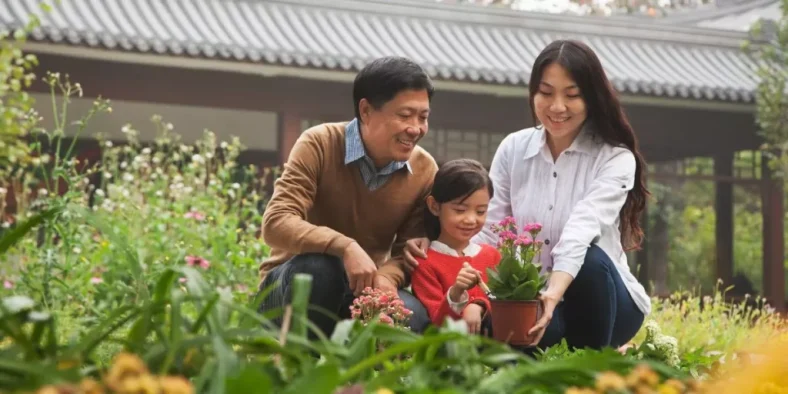
    Creating spaces in your garden that foster family bonding is essential for strengthening relationships and creating lasting memories. One way to achieve this is by incorporating a cozy seating area where family members can gather for conversations or enjoying meals together. A simple picnic table or a set of comfortable chairs arranged around a fire pit can provide the perfect setting for quality time spent with loved ones.

    Another idea is to create a designated play area for children, complete with fun and engaging activities like a sandbox, swing set, or a mini obstacle course. This won’t only keep the kids entertained but also encourage them to spend more time outdoors, away from screens and gadgets.

    Additionally, consider adding a vegetable or flower garden that the whole family can tend to together. Gardening is a great way to teach children about responsibility and the beauty of watching something grow and flourish over time.

    Garden

    [product_category category=”garden” per_page=”10″ columns=”2″ orderby=”date” order=”rnde”]